During the trading session on May 8, sellers sold 32,000. 640 tons of fuel, i.e. 5.9 percent less than during the previous trading day.
Sales of AI-92 gasoline dropped particularly significantly – by 8.9%, to the level of 20,000. 340 tons, while sales of AI-95 increased by 1.5%, reaching 12 thousand. 240 tons.
At the same time, the unmet demand from buyers amounted to 23 thousand. 460 tons for AI-92 and 26 thousand 340 tons for AI-95.
This results from data from the National Stock Exchange Price Agency.
As one of the representatives of the fuel industry told “Kommersant”, even before the start of the season of increased fuel consumption, there was already a shortage of AI-95 gasoline on the market.
Russia still pumps millions of barrels of oil, but it is increasingly difficult to turn them into gasoline at its own stations. Ukrainian drones have apparently found a place that hurts more than subsequent sanctions.
In summer, the demand for this type of fuel grows faster than for AI-92, because during the holiday season, drivers more often use cars adapted to 95-octane gasoline.
The interlocutor also confirmed that the fuel shortages are caused by unplanned renovations of large refineries and a decline in the production of petroleum products. In this situation – as he emphasized – oil companies first direct the available fuel to their own sales networks.
Tuapse refinery fireIMAGO/Boris Morozov / East News
He also added that refinery repairs could take more than a month, and delivery times had already been extended by two to four weeks on average at the beginning of May.
According to the newspaper's source, this situation prevents market participants from creating larger inventories for a longer period, which in turn increases the risk of more serious gasoline shortages in the summer.
Official prices under control, chaos outside the stock exchange
Despite the deepening problems with fuel availability, stock prices remain relatively stable. This is due to the mechanism in force in Russia that limits sudden price fluctuations. According to this system, the daily price increase may amount to a maximum of 0.01%, while the decrease may not exceed 3%. relative to the current market price. Thanks to this official fuel prices do not change dramatically, although the market situation is becoming more and more tense.
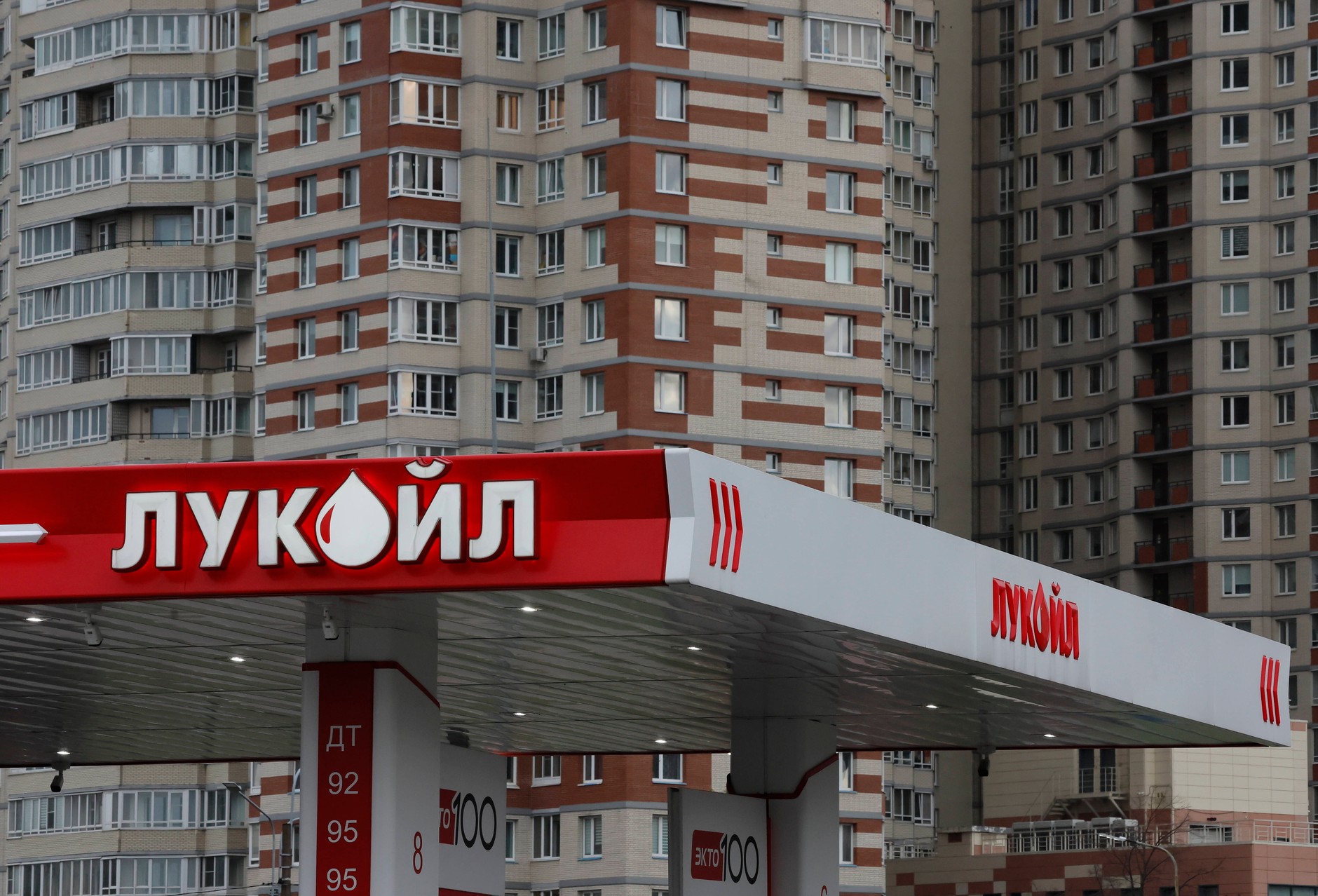
Gas station of the Russian international energy company Lukoil in Saint Petersburg (illustrative photo)EPA/ANATOLY MALTSEV / PAP
After the end of the session on May 8, the price of AI-92 gasoline according to the index for the European part of Russia increased by 0.01%, reaching the level of PLN 65,000. 990 rubles per tonne (approx. PLN 3,000), while the price of AI-95 increased by 0.16%, to PLN 71,000. 890 rubles per tonne (approx. PLN 3,300).
However, outside the stock exchange, fuel is sold at a premium of approximately 10%. compared to stock exchange prices, and yet availability there remains very limited.
Buying AI-95 on the stock market is becoming extremely difficult. Demand exceeds supply many times, perhaps even more than 10 times
– emphasized the interlocutor of “Kommersant”.
Ukrainian drones are causing chaos in refineries
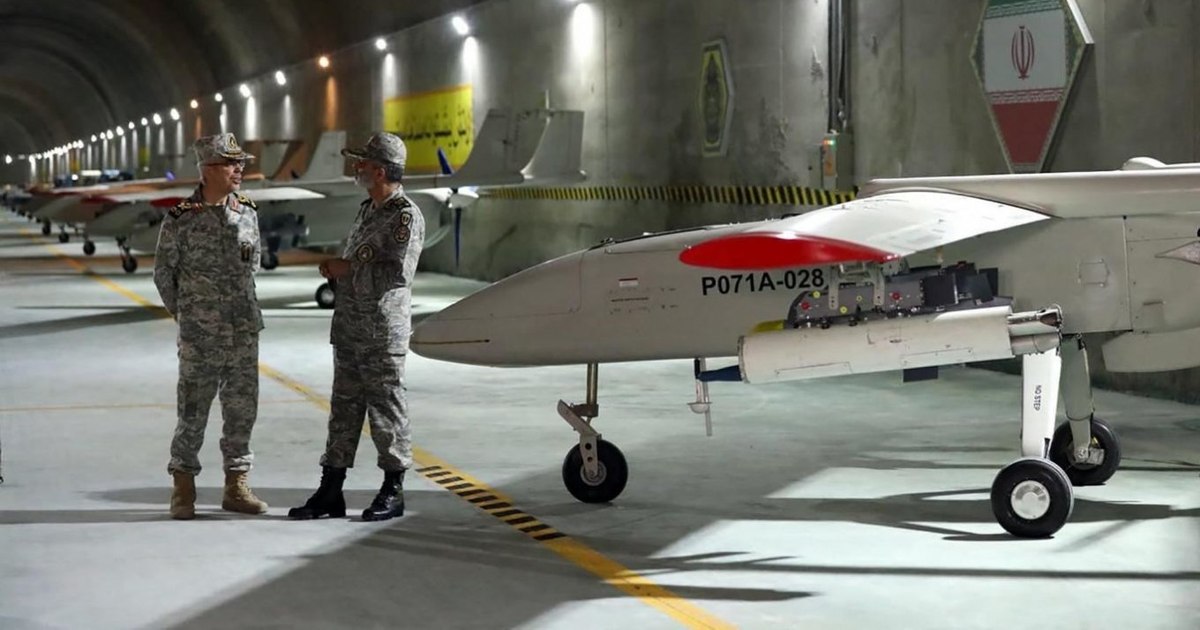
In recent months, the Ukrainian Armed Forces have significantly intensified drone attacks against Russian fuel infrastructure, focusing primarily on oil refineries. The targets of these strikes are plants responsible for the production of gasoline, diesel oil and other fuels that are of key importance for the Russian economy and army supplies.
In April and early May alone, as a result of subsequent attacks, six large Russian refineries were temporarily shut down. These are bets on:
Nizhny Novgorod,
Tuapse,
Novokuybyshevsk and Syzran,
as well as refineries in Perm and Kirishi.
Some facilities were forced to limit production, and some stopped work completely while repairs were made and the effects of damage were removed.
The scale of the problem is becoming visible in the data for the entire Russian fuel sector. As Bloomberg reported, citing analyzes by OilX, the level of crude oil processing in Russia has fallen to the lowest level since 2009.
Currently, Russian refineries process approximately 4 million 690 thousand barrels of oil per day, which shows how severely the series of attacks affected the country's production capabilities.
I’m Ashley Davis as an editor, I’m committed to upholding the highest standards of integrity and accuracy in every piece we publish. My work is driven by curiosity, a passion for truth, and a belief that journalism plays a crucial role in shaping public discourse. I strive to tell stories that not only inform but also inspire action and conversation.