I advise you to look not only at Putin's statements, which in themselves do not say much, but also at the statements of his adviser Yuri Ushakov. They are the ones that are eloquent. Ushakov said clearly: the negotiations are suspended, and the condition for their resumption and any changes in the peace process is the withdrawal of Ukrainian troops from Donbas. This means that nothing has changed here. He also said that for now there is no consideration of extending the ceasefire beyond May 11. These are key statements.
So we shouldn't take Putin's words about the “final phase of the war” seriously?
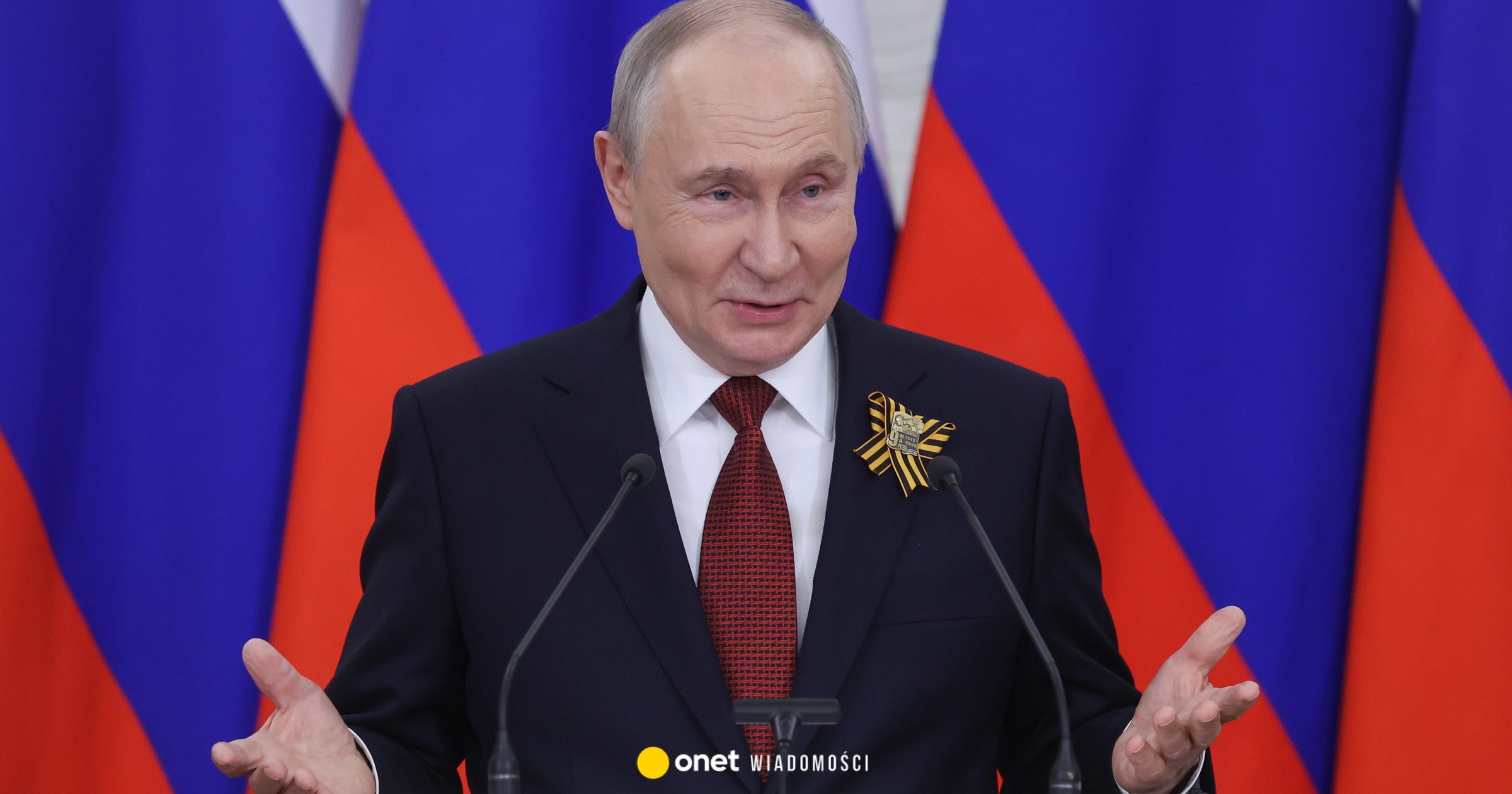
Putin didn't really say anything new. He suggested that the war was entering its final phase. But he talked about many things – both the “three days” [na zdobycie Kijowa — red.]as well as that Russia is winning and that “the goals of the so-called special operation will be achieved.” I wouldn't draw any conclusions from this statement.
Everyone also actively discussed his words regarding a possible meeting with Zelensky.
The only new thing is that he mentioned Zelensky by name. “Mr. Zelensky” – that's it. Statements about readiness to meet in a third country have already appeared before. But only if a final peace agreement is signed – and on Russian terms. This means that nothing has changed here either.
We could possibly treat the declaration of readiness to negotiate with Europe as something new. But when Putin mentioned former German Chancellor Gerhard Schröder as a potential negotiator, he practically eliminated this effect. Because this is blatant trolling and a demonstration of contempt for Europeans. Putin's negotiations with Schröder are more or less the same as Putin's negotiations with Putin. Of course, Europeans will not agree to this. And such statements are already appearing.
I have serious doubts whether Putin is actually ready for real negotiations with Europe. It seems to me that this “mishap” with Schröder was staged specifically to create a new topic for disputes within Europe – allegedly about who should actually represent the EU.
However, overall, Russia's official position in the negotiation process has unfortunately not changed.
So, for now, there are no grounds to talk about any quick agreements?
Definitely. There are no grounds to expect any quick agreements in the near future. The only thing that can happen is an attempt to resume negotiations in the second half of May or at the end of May-early June.
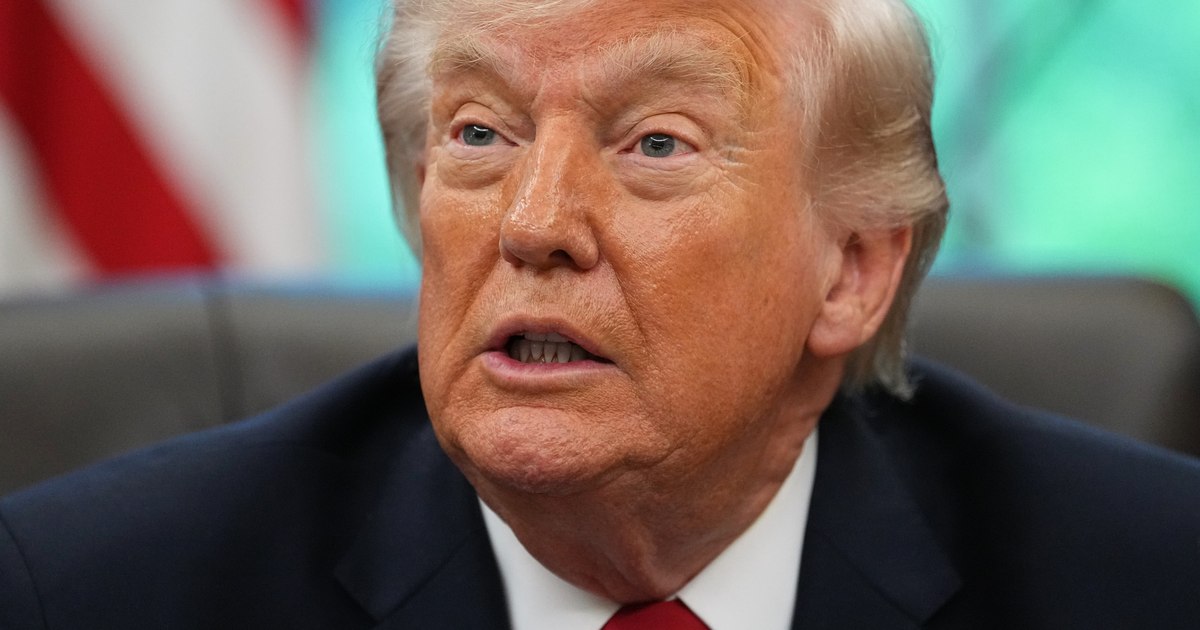
American negotiators are expected to arrive both in Moscow and Kiev during this period. Moreover, after Trump's visit to China, the situation around Iran may be clarified. The Americans can then attempt to resume peace talks. But that's all there is to talk about for now.
So why does Putin issue these statements?
It's a tactic. First of all, tactics aimed at Trump. Thanks to Trump, Putin managed to neutralize the risk associated with May 9. It is clear that Putin was afraid that the Ukrainians would spoil his holiday. He is very afraid – both for his own safety and the risk of humiliation.
The second reason is the need to send some positive signal to Russian society. Dissatisfaction in the country is growing. Putin is basically saying: “Wait a little longer. The war will be over soon.” This is what it sounds like to Russians who are tired of war. And Putin can repeat this message endlessly. He did not indicate any end dates.
Honestly, the very reaction to Putin's words also shows war fatigue. People really want to hear that this will all end soon. Societies hope that maybe he has matured, maybe he is ready to end the war? That's why even loose declarations trigger such a reaction. Although, unfortunately, it does not correspond to reality for now.