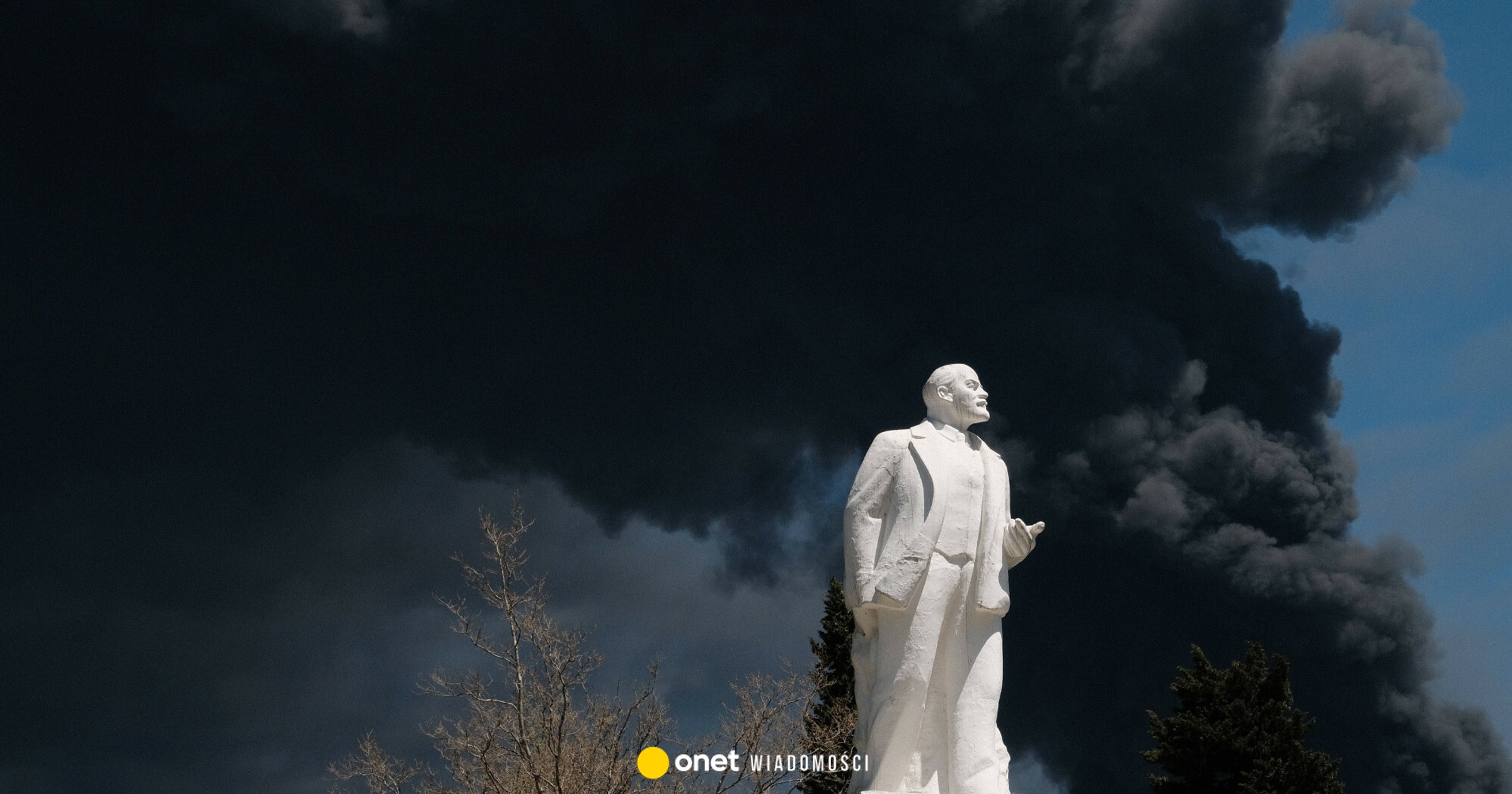
Ukrainian strikes were aimed at the refinery in the city and the linear production and dispatch station “Perm”. The trace of the fire in the refinery, judging by NASA photos, extended 120 km to the east. This is reminiscent of the plumes of smoke from the Tuapse fires, which – according to the same website's photos from April 16, 21 and 29 – stretched for hundreds of kilometers and reached neighboring Adygea and Stavropol Krai.
Similarly to Kuban, “oil rain” has already fallen in Perm. As with the fires at the Tuapse fuel base, Perm residents report the smell of chemicals, burnt rubber and smoke in the air.
An ecologist who asked to remain anonymous explains that smoke and oil deposits contain “the most harmful substances — polycyclic aromatic hydrocarbons (PAHs), including benzene, a first-class carcinogen.
As a result of two attacks in the Perm Oblast, at least six tankseach of which had a capacity of 50,000. t petroleum products, notes another environmentalist who asked to remain anonymous.
“More dangerous”
— The Tuapse oil base had 47 tanks with a total capacity of almost 160,000. m3, of which approximately 60 percent burned. This means that there may be fires in the Perm Oblast even strongerand therefore more dangerous than the fires in Tuapse. There is no sea in Perm, but oil rains have fallen and will continue to fall just like in Tuapse, the expert emphasizes. He adds that with such a scale of fires, the authorities should provide the population with breathing masks and sorbents [sorbent to nierozpuszczalny materiał, który pochłania lub adsorbuje ciecze lub gazy].
Perm Central Research Institute of Epidemiology, Consumer Rights Protection and Human Well-being (Rospotrebnadzor) reported that monitors the air conditionbut did not provide the results of this study.
The article continues below the video
The operational staff of the Krasnodar Krai on the day of the attack on April 20 also reported that Rospotrebnadzor was monitoring air quality, but the results appeared only in the evening of April 22: then it turned out that on April 21 exceeding permissible concentrations benzene, xylene and soot. On April 29, the region's operational staff again reported that the permissible concentration of benzene had been exceeded.
Identical disaster
— It's exactly the same fire that took place in Tuapse, I think that the toxic and carcinogenic substances in the air are the same there, explains pro-ecological activist Vladimir Sliwiak.
The people of Perm have already received it threats of financial penalties for publishing “consciously false information” about fires. In Tuapse, on April 28, the authorities detained journalist Anastasia Troyanova, who was preparing a report on events in the city, and released her only after five hours.
Mayor Eduard Sosnin called on residents to be “patient and work.” Governor Dmitry Makhonin announced on Friday the cancellation of the May Day demonstrations, but announced the United Russia campaign under the slogan “Industrial region – strong region”, citing that “a sense of unity is important for people.” A day earlier, he said there was “no threat” and no “serious damage.” On the same day, the Perm refinery stopped 40 percent of its production. production.
The administrator of one local group called the situation in the city “a complete information vacuum.” Residents of Tuapse also complained about the lack of information from the authorities.
Drones struck Perm on April 29, and then again on the night of April 29-30. Tuapse was attacked four times in two weeksthe last time on Friday. The Kremlin noticed the ecological disaster in Krasnodar Krai only after 12 days.
I’m Ashley Davis as an editor, I’m committed to upholding the highest standards of integrity and accuracy in every piece we publish. My work is driven by curiosity, a passion for truth, and a belief that journalism plays a crucial role in shaping public discourse. I strive to tell stories that not only inform but also inspire action and conversation.