A wave of shock around the world. These may be the consequences of Trump's war. “It's time for us to wake up”

Faced with rising energy prices and slowing economic growth, pro-European governments are preparing for a crisis they cannot contain – and one that could shatter the EU's already weakened political mainstream.
Across Europe, unpopular incumbent politicians face populist backlash. In France next year, it may strike hard enough to lead to the victory of the National Movement, bringing the far right into the Elysée Palace and causing a wave of shock around the world.
— Energy costs affect food, transport and housing prices, hitting low- and middle-income households hardest, Seamus Boland, president of the European Economic and Social Committee, which brings together trade unions from across Europe and advises the European Commission on economic and employment policy, tells POLITICO. — From a political point of view, this creates room for distrust: not only in national governments, but also in the ability of European institutions to protect citizens from external shocks. This risks increasing support for more protectionist or closed-minded approaches.
On Monday, deputy prime ministers for finance from the 27 EU governments will meet in Athens to discuss how to protect the bloc from economic problems without plunging it into a debt crisis. According to two EU diplomats familiar with the matter, the war with Iran will be at the center of the talks. In addition, EU finance ministers will meet in Brussels next week for the same purpose – their ministries will soon begin the arduous task of drawing up national budgets for next year.
Alarm signals
As European leaders held a two-day summit in Cyprus last week and finance ministers and experts gathered in Greece for private meetings and informal talks, a common theme clearly emerged in the public statements that followed. It boiled down to the fact that Europe's economy is already weak and the shock caused by the war in Iran creates a risk that the situation will become politically explosive.
— As the blockade of the Strait of Hormuz continues, it is clear that its effects are becoming more pronounced and, according to some, spreading to the entire economy, EU Economic Commissioner Valdis Dombrovskis told POLITICO on the sidelines of the Economic Forum in Delphi, Greece. — We advise to stick to temporary and targeted measures, also to limit their budgetary impact, as fiscal space is already more limited since COVID-19 and the first energy crisis [wywołanego inwazją Rosji na Ukrainę] in 2022
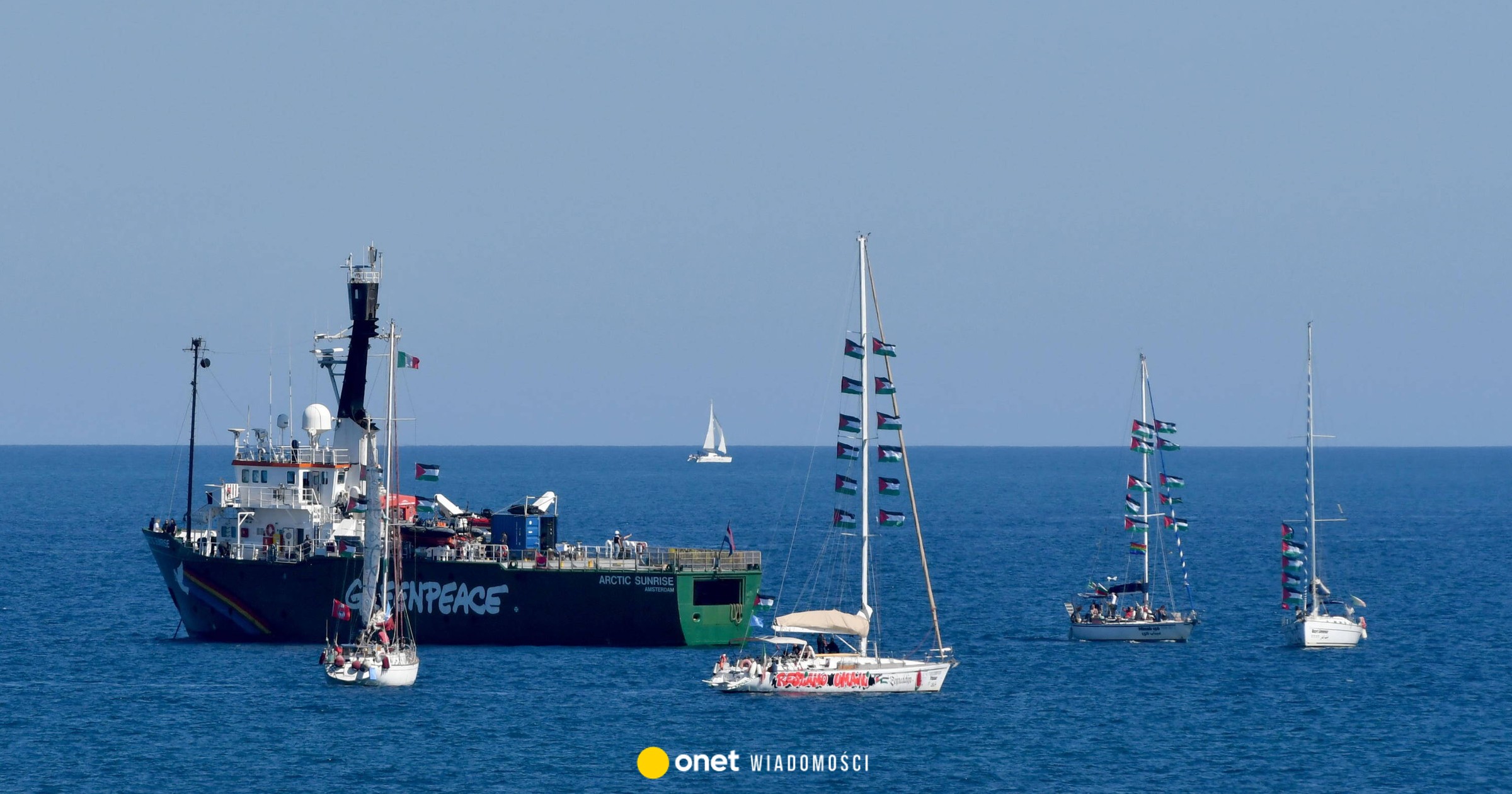
The stalemate between Washington and Tehran continues – talks between the representatives of these countries were canceled at the last minute. The Strait of Hormuz remains closed to most commercial ships, keeping the price of oil above $100. (PLN 362) per barrel. Attacks by the United States and Israel are the latest — and most serious — factor causing economic alarm in Europe. However, warning signals have been sounding for years.
Already in 2024, former president of the European Central Bank, Mario Draghi, warned that Europe would be exposed to “slow agony” if its leaders did not undertake far-reaching reforms that would allow it to catch up with rapidly developing China and the United States.
— We should not ignore the fact that this is a unique moment in which the president of the United States, the president of Russia and the president of China are clearly against Europeans, said French President Emmanuel Macron on Friday in Athens, where he held talks with Greek Prime Minister Kyriakos Mitsotakis after the EU summit. – It's time for us to wake up.
Amid mounting financial tensions, both leaders called for staggered repayments under the EU's post-pandemic economic recovery plan and for more EU debt to finance EU investment priorities.
Lowering economic forecasts
The economic slowdown that has plagued Europe for years is turning into something more worrying: stagflation. Rising prices caused by the war and the blockade of the Strait of Hormuz collide with weak economic growth across the EU. “A crisis that was once seen as temporary is now likely to have long-lasting effects and spread throughout the economy,” says Dombrovskis.
“We are facing stagflation: economic slowdown and rising inflation at the same time,” he says in an interview with POLITICO. — It is almost certain that we will have to lower our spring forecast in the second half of May [całoroczne] economic forecasts.
Germany and Italy – which together account for more than a third of the EU's total GDP – have in recent days lowered their economic forecasts for the full year.
At last week's summit, EU leaders examined the European Commission's proposals to alleviate the effects of the energy crisis. Measures under consideration include electricity tax cuts, social programs for vulnerable households, VAT cuts, targeted subsidies for clean technologies, investments in energy networks and coordinated replenishment of stocks. However, the possibilities of Brussels – or of national governments struggling with financial problems – are limited.
Many EU countries are still struggling with high debt and deficits left over from economic support programs during the COVID-19 pandemic. This leaves little room for large-scale interventions like those that Europe carried out as COVID-19 spread or after Russia's full-scale invasion of Ukraine.