The desert is dark and the wind kicks up the sand that gets all over you. Helicopters land in an isolated spot deep in Iran, and soldiers wait for the signal to head for Tehran.
In a few hours, the most ambitious hostage rescue operation in US history – an operation codenamed Operation Eagle Claw – will turn into a huge failure, with images that have surrounded the world, writes Naftemporiki.
The crisis that led to the mission
It all begins in November 1979, when Iranian students occupy the American embassy in Tehran. Dozens of diplomats are being held hostage.
The crisis lasts for months and turns into a nightmare for the then American president, Jimmy Carter.
The pressure is immense. Negotiations stall. And Washington decides to try the unimaginable: a secret military mission inside Iran.
The high risk plan
The plan is extremely complex—almost overly ambitious:
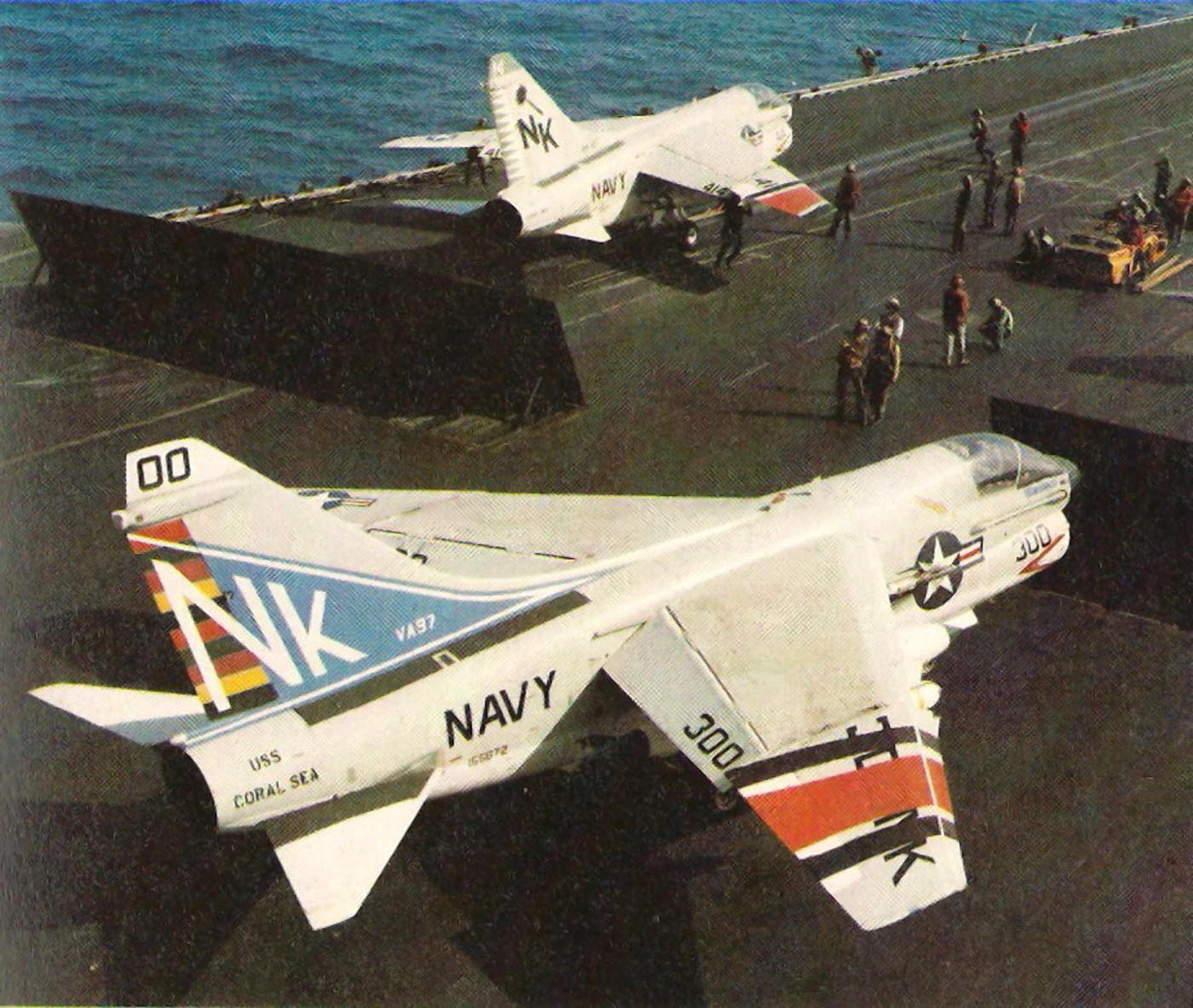
First, Transport Planes transport forces to a secret location (“Desert One”). Then helicopters take off from an aircraft carrier in the Persian Gulf. The two groups meet in the desert. After which they set off for Tehran for the rescue operation.
Everything must work perfectly. There is no room for error.
The moment when everything falls apart
And then, within hours, the plan begins to fall apart. Helicopters flying to the prearranged rendezvous point are caught in violent sandstorms—visibility is reduced to zero, instruments are tested to the limit, and engines begin to malfunction.
One by one, some of them are forced to return, others get stuck in the desert. Their number falls below the minimum required by the plan.
In “Desert One”, the atmosphere is tense. Commanders know there is no room for improvisation. The operation has been planned with surgical precision—and without the necessary number of helicopters, it cannot go ahead. The decision is made with a heavy heart: abort the mission.
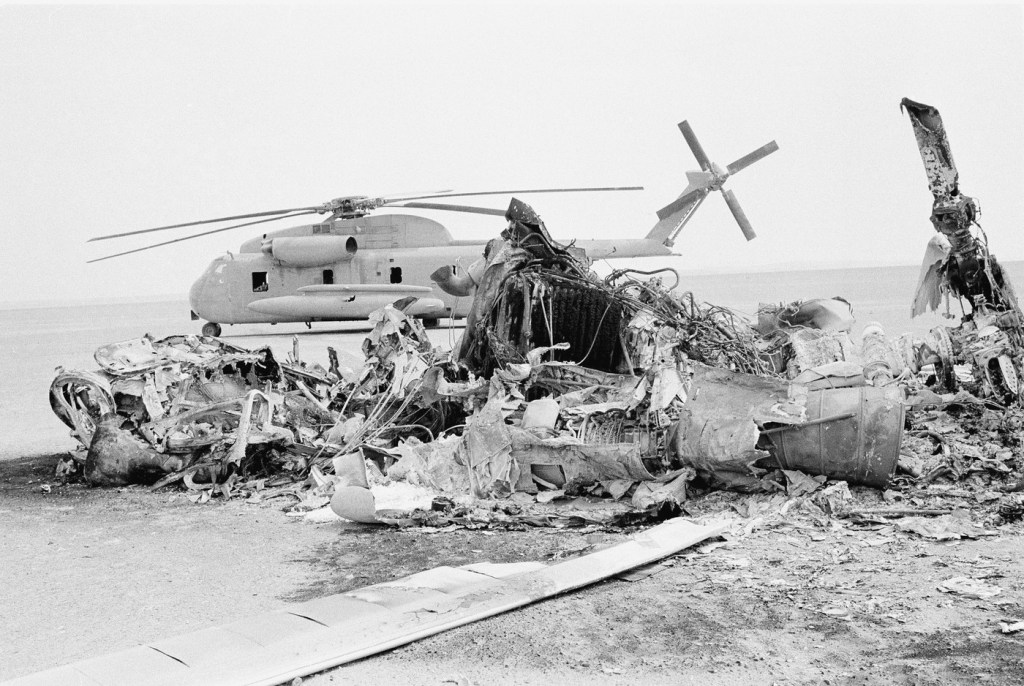
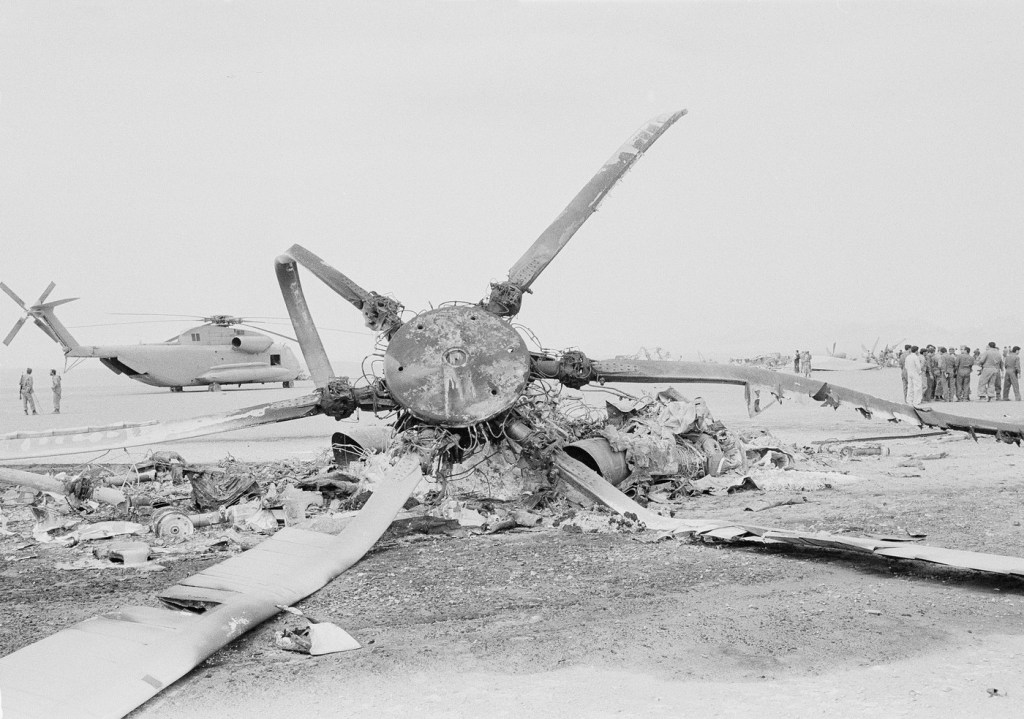
What follows, however, turns failure into tragedy. During the withdrawal process, in the chaos of night and sand, a helicopter loses its bearings and collides with a transport plane. The explosion lights up the desert for a moment. Flames, fuel and debris everywhere.
Eight American soldiers are killed on the spot. The mission didn't just fail – it crashed in the most painful way.
Images of humiliation
As dawn breaks, the desert reveals the extent of the destruction. Burned-out helicopters and aircraft remain scattered across “Desert One” as silent witnesses to an operation that was never completed.
The images quickly circulate around the world and freeze American public opinion. It's not just a failure; it is a public humiliation. For Washington, the strike is deeply political and military at the same time. Jimmy Carter's presidency is hit hard, and the image of the superpower that controls the planet is shattered.
The lesson that changed the US military
However, a different reality is beginning to take shape. The failure of Operation Eagle Claw acts as a catalyst for profound changes in the way the United States plans and executes special operations.
Coordination between sectors, which was found to be insufficient that night, is being put at the center of a wide-ranging review. New structures are created, training is strengthened, protocols are redefined.
In the years that followed, the US military transformed itself, trying to eliminate the mistakes that had cost it so dearly.
Why is it coming back to the public eye today?
Today, at a time when tensions between Washington and Tehran are rekindling, the memory of that night does not just belong in the history books.
It comes back as a reminder of the limits of power, the complexity of operating in such a difficult environment, and the uncertainty that accompanies even the most carefully laid plans.