The United States is using critical munitions at such a rapid rate against Iran that it could face risks in a future war — especially with China, military experts warn.
US forces “extensively used” seven key types of weapons during the 39 days of the air and missile campaign against Iran before a fragile ceasefire came into force, according to a new report by two experts from the Center for Strategic and International Studies.
See also: The Americans “fired rockets like rifles.” Poland may have a problem
“The U.S. military has enough missiles to continue this war in any realistic scenario,” they wrote, analyzing ammunition stockpiles. “The risk — which will persist for many years — is in future conflicts.”
The problem is the scale of ammunition consumption and the time needed to replenish it.
“These missiles will also be critical to a potential conflict in the Western Pacific,” said CSIS researchers Mark Cancian and Chris Park.
“Even before the war with Iran, supplies were considered insufficient to fight an equal opponent. This shortage is now even more severe, and it will take additional time to rebuild supplies to levels suitable for war with China,” it said.
Reduced supplies also affect supplies to Ukraine and allies, and ultimately “the United States will compete with those countries that also want to replenish and increase their stockpiles.”
See also: The “New Middle Ages” is coming. The famous thinker talks about the future of the world in 2100.
Declined supplies
Seven key weapons – long-range ground attack missiles and air and missile defense assets – “have proven to be very effective in this war, which has resulted in their high use,” experts said. The report found that the US may have used up more than half of its pre-war stockpile of four of these systems.
In the defense area, the US had approximately 360 THAAD (Terminal High Altitude Area Defense) interceptors before the war, already depleted by other conflicts, and used approximately 190 to 290 of them — researchers estimated based on publicly available data, including Pentagon budget documents.
PAC-3 interceptor missiles for the Patriot air defense system were also extensively used – the US entered the war with approximately 2,330 of them and used up to 1430although they may still have older versions.
Global demand for these missiles is growing, and concerns about their availability already appeared before the war. Ukraine has warned of critical shortages and expressed concerns about how U.S. use of them against Iran would affect its supplies.
The US had over 400 SM-3 i naval interceptors before the war they used between 130 and 250. SM-6 usage was lower – to 370 of approximately 1,160 available.
In offensive operations, the USA had approximately 90 Precision Strike Missiles (PrSM) before the war and They used an estimated 40 to 70. This is a newer type of weapon that was used in combat for the first time in this conflict.
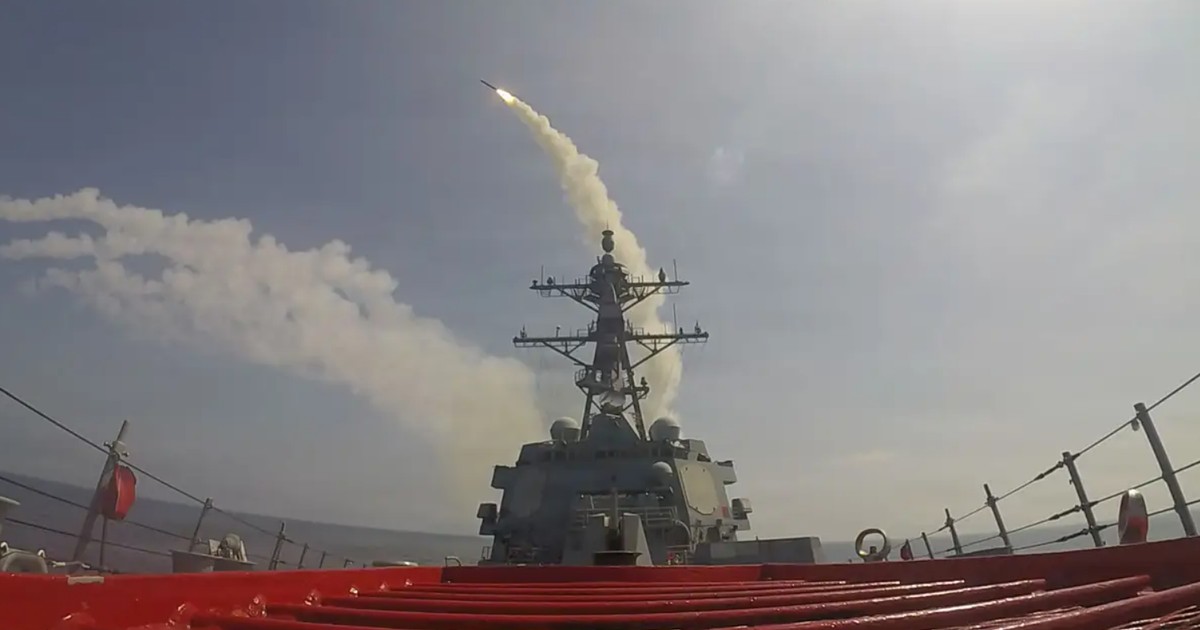
Another system is the Tomahawk maneuvering missile for attacks on land targets – according to the report, the US had over 3,000 of them before the war with Iran and used over 850.
Analysts warn that the United States has reduced its stockpile of missiles such as the Tomahawk
|
US Navy Photo
In addition, the US had over 4,000 long-range Joint Air-to-Surface Standoff Missiles (JASSM) and they used about 1,000.
See also: Europe must start waking up? Here are the 24 countries with the longest compulsory military service
Restocking is slow
The US is taking action to increase production. In March, the White House announced plans to quadruple production of some key systems, and manufacturers announced increases.
Lockheed Martin said it will increase its capacity to produce THAAD missiles from 96 to 400 per year over seven years, and Tomahawk maker RTX plans to increase production to more than 1,000 per year and raise SM-6 production to more than 500 per year. There are also plans to increase production of Patriot PAC-3 missiles by 2030.
Lockheed Martin also increased PrSM production and agreed to quadruple it.
The CSIS report warns that “Until increased production becomes available, the United States will need to make decisions about how to allocate production to meet needs.”
Much of that growth depends on new funding from Congress, and production still takes time.
Based on five-year average production rates, the report estimated the time needed to replenish supplies: 48 months for JASSM, 42 months for PAC-3, and 53 months for THAAD. The shortest time is for Tomahawks – 47 months.
“Many of these systems are limited by production capacity, so the implementation time is even longer,” experts noted.
Franz-Stefan Gady, a defense expert at the Center for a New American Security, also warned that it would take four to five years to rebuild the U.S. stockpile of precision munitions. Similar warnings have appeared before, often before the outbreak of the war.
The US may be vulnerable in future conflicts
Experts emphasized that the US still has enough supplies to conduct operations against Iran.
But the many munitions it consumes are crucial in a potential war with a peer adversary like China — especially in ballistic missile defense, where the U.S. has limited alternatives.
“Large numbers of these seven key systems will also be needed in a future conflict in the Western Pacific. Many allies and partners also use them, increasing competition for production,” researchers said.
In a war with China, the US would need sufficient long-range strike capabilities to break through China's defense and strong defense against its extensive missile arsenal.
This assessment indicates—like previous analyses—that a high-intensity conflict with China could use up U.S. munitions even faster than a war with Iran.
The U.S. military could move resources back to the Pacific and rebuild supplies after the war with Iran ends, “however It will take many years to replenish depleted stores and achieve desired levels“.
“Supplies were already insufficient before the war,” the CSIS report concluded. “Current levels will limit U.S. operational capabilities in the event of a future conflict.”
The above text is a translation from the American edition of Business Insider