On April 21, 2026, Orthodox believers celebrate Radonitsa – a special day of remembrance of the dead, which comes after Easter and is distinguished by a bright, calm and deeply spiritual meaning.
For many people, Radonitsa is a day of visiting the cemetery and remembering relatives. But it is important to understand that the meaning of the holiday is much deeper than just a trip to the graves or observing the usual everyday activities. Correct commemoration on Radonitsa begins not with external rituals, but with an internal attitude, prayer and respectful memory.
Why is Radonitsa considered a special day of remembrance?
Radonitsa comes after Bright Week, when the usual funeral services are not performed in the church. Therefore, this particular day becomes the first special time after Easter, when believers can collectively pray for the departed. The name of the holiday is associated with the word “joy”, and this is no coincidence. Commemoration on Radonitsa should not be gloomy and hopeless, because it is celebrated in the light of Easter – the main Christian holiday, affirming the victory of life over death.
This day reminds us that the connection between the living and the dead is not completely interrupted. Through prayer, memory, mercy and love, a person maintains spiritual closeness with his departed relatives. That is why Radonitsa is perceived not as a day of despair, but as a day of bright memory and spiritual communication.
Where to start commemorating the dead
The most correct beginning of Radonitsa is considered to be a visit to the temple. On this day, believers submit notes of repose, participate in divine services and pray for the souls of the dead. The Church emphasizes that prayer is the most important help for the deceased. No external customs can replace a sincere appeal to God asking for mercy for those who have passed away from earthly life.
If possible, it is good to attend the liturgy or memorial service. This helps to tune in not to the everyday performance of tradition, but to the deep spiritual meaning of the day. Even a short prayer, said with faith and love, on Radonitsa has a special meaning.
How to properly visit the cemetery on Radonitsa
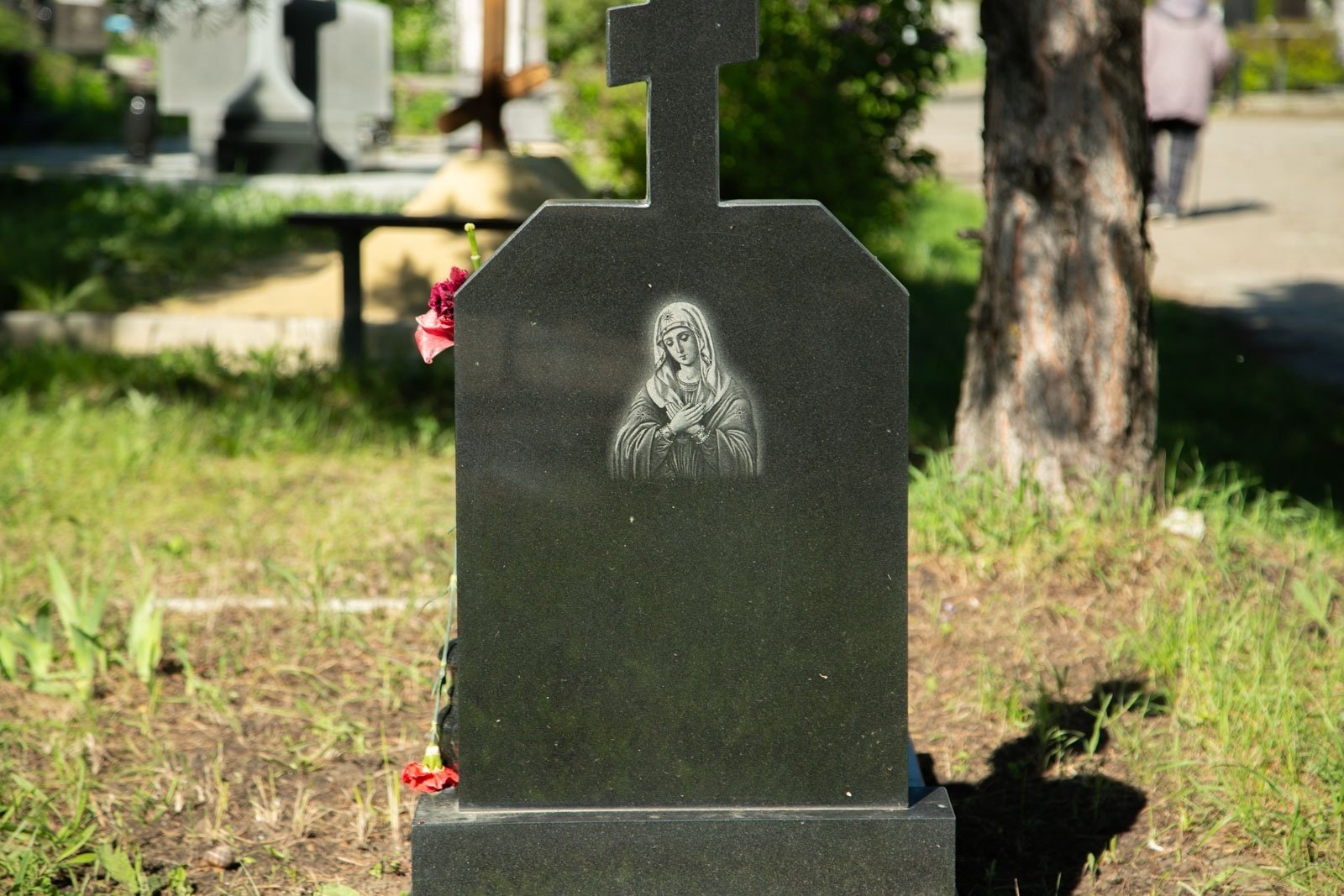
After church, many go to the cemetery. This is a long-standing and understandable tradition, but even here it is important to remember the meaning of what is happening. Visiting a grave should be calm, respectful and focused. At the cemetery, it is customary to tidy up the grave, remove debris, arrange flowers, light a candle or lamp and pray for the deceased.
You should not turn this visit into a noisy meeting, discussion of extraneous topics or a formal ritual without internal participation. On Radonitsa, it is important not just to come to the cemetery, but to be in silence, remember a loved one with love and gratitude. It’s good if at this moment there is not only sadness in your heart, but also a bright feeling of memory.
What the church does not advise you to do in a cemetery
There are several common customs that the church does not support. One of them is to leave food, glasses of alcohol on graves, or arrange a feast right in the cemetery. Although such actions have taken root among the people, from a Christian point of view they do not belong to proper commemoration. The deceased do not need food or external symbols of everyday life, but prayer, alms and good memory.
Also, you should not talk loudly in the cemetery, laugh, quarrel or discuss other matters. Radonitsa is a day of respectful silence and inner attention. It is important to remember that a cemetery is a place of memory, not a space for noisy communication.
Is it possible to have a funeral at home?
A home-based memorial meal is acceptable as long as it is done calmly, modestly, and with respect for the meaning of the day. This is not a holiday in the usual sense and not a reason for a rich feast. It is better if at the table there are good memories of the dead, warm words, gratitude for their lives and quiet prayer. You can remember your relatives in the family circle, without excess and without turning this day into a formal obligation.

It is especially important to avoid alcohol abuse. Radonitsa requires sobriety – both external and internal. The calmer and purer the commemoration is, the closer it is to the real church meaning.
What good deeds are especially appropriate on this day?
In memory of the deceased, it is good to do good deeds on Radonitsa. This could be helping those in need, alms, supporting an elderly person, caring for loved ones, or any good action done in prayerful memory of relatives. In the Christian tradition, such deeds are perceived as an important part of spiritual remembrance. Through mercy, a person expresses love not only for the living, but also for those who are no longer around.
Also on this day it is useful to remember the history of your family, talk with your children about your ancestors, maintain respect for your family and gratitude to those who came before us. Radonitsa is not only a day of remembrance of individuals, but also a reminder of the connection between generations.