
Armed teenagers on the streets of Tehran. A practice carried over from the time of the Iran-Iraq war

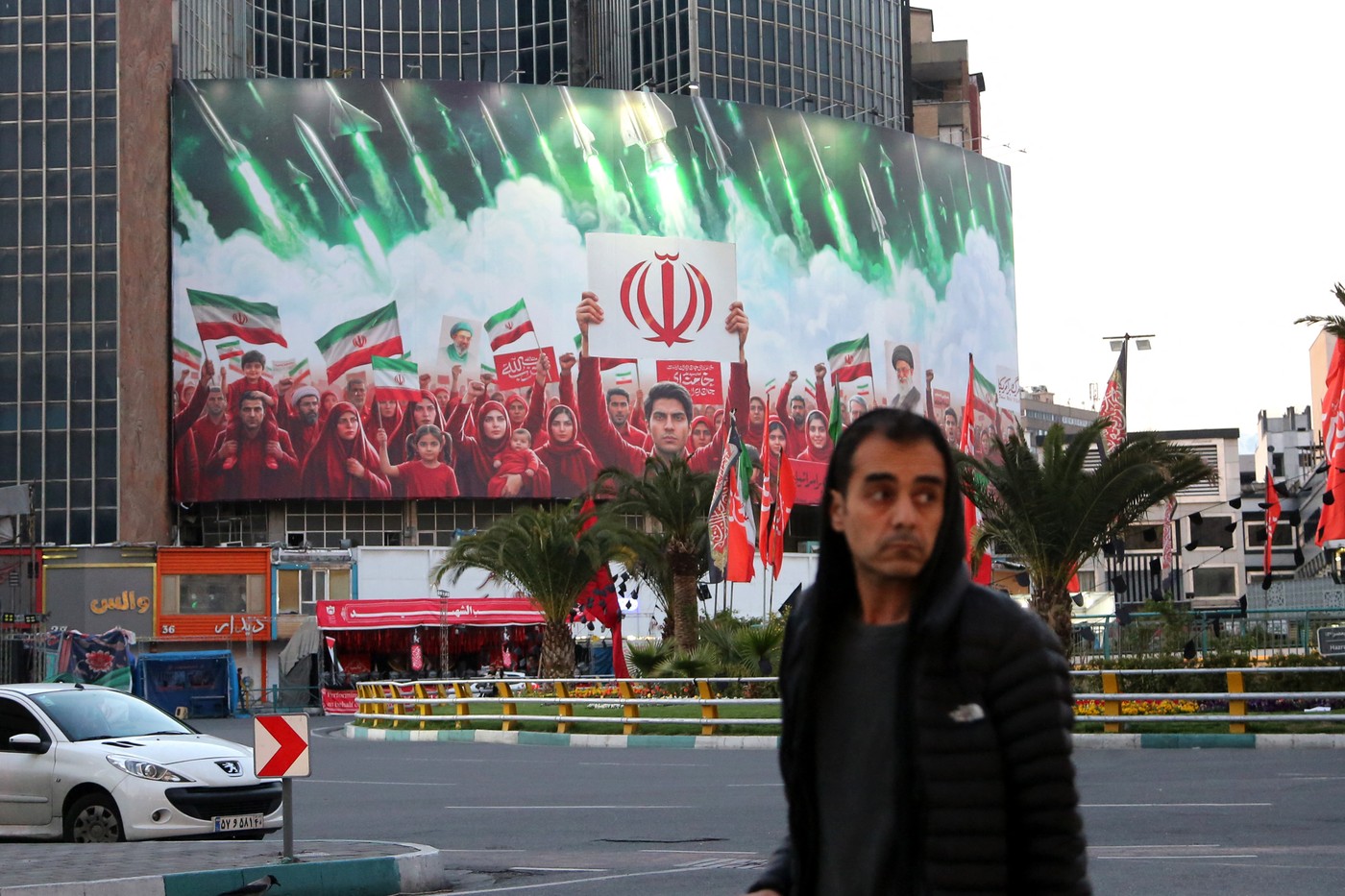
Since February 28, when the United States and Israel started the war with Iran, the power in the Islamic Republic has tightened the security conditions, and the latest measure in this regard is arming some teenagers and sending them to patrol the streets of Tehran, AFP observed on Thursday, taken over by Agerpres.
Since the first weeks of the conflict, the streets of the Iranian capital have been blocked by barrages of police and army vehicles. Some were hit by the American-Israeli bombings and disappeared; others are still present.
But now the patrols are reinforced with teenagers or even with armed children, and their presence causes anxiety among the residents.
Authorities in Tehran have confirmed that they are recruiting even 12-year-old children as reinforcements for the Basij paramilitary force, tasked with maintaining public order.
Checkpoints with armed teenagers
A 28-year-old woman reported in a message to an AFP reporter from outside the country – under the condition of anonymity, for safety reasons – that one evening, while driving, she came across “two checkpoints in the north of Tehran with 13 or 14-year-old teenagers with guns in their hands”. One of them opened the door on the right and sat down next to her. “He asked for my cell phone and checked everything, even my photos. It was extremely invasive.”
Failure to block the Internet exposes Iranians to arrest, and those who transmit information abroad may be charged with espionage, the agency said.
However, another resident of the capital reported last week that he passed a military checkpoint and “just 100 meters away there were several civilian cars with teenagers stopping the vehicles.” They “opened the doors without permission, opened the glove boxes, controlled the telephones”.
The recruitment of minors reminds Iranians of the 1980s, when thousands of children and teenagers fought in the war with Iraq.
Rahim Nadali, a commander in the Revolutionary Guards – the army of the Islamic Republic – recently stated on state television that the Basij units were overwhelmed by requests for enlistment from the respective age categories, and the reduction of the minimum age was decided for this reason.
The AFP was not able to determine, after the divergent opinions of some specialists, whether these practices indicate a lack of human resources. Regarding the purpose of the presence of the security forces on the ground, the opinion is unanimous: to deter any popular uprising.


