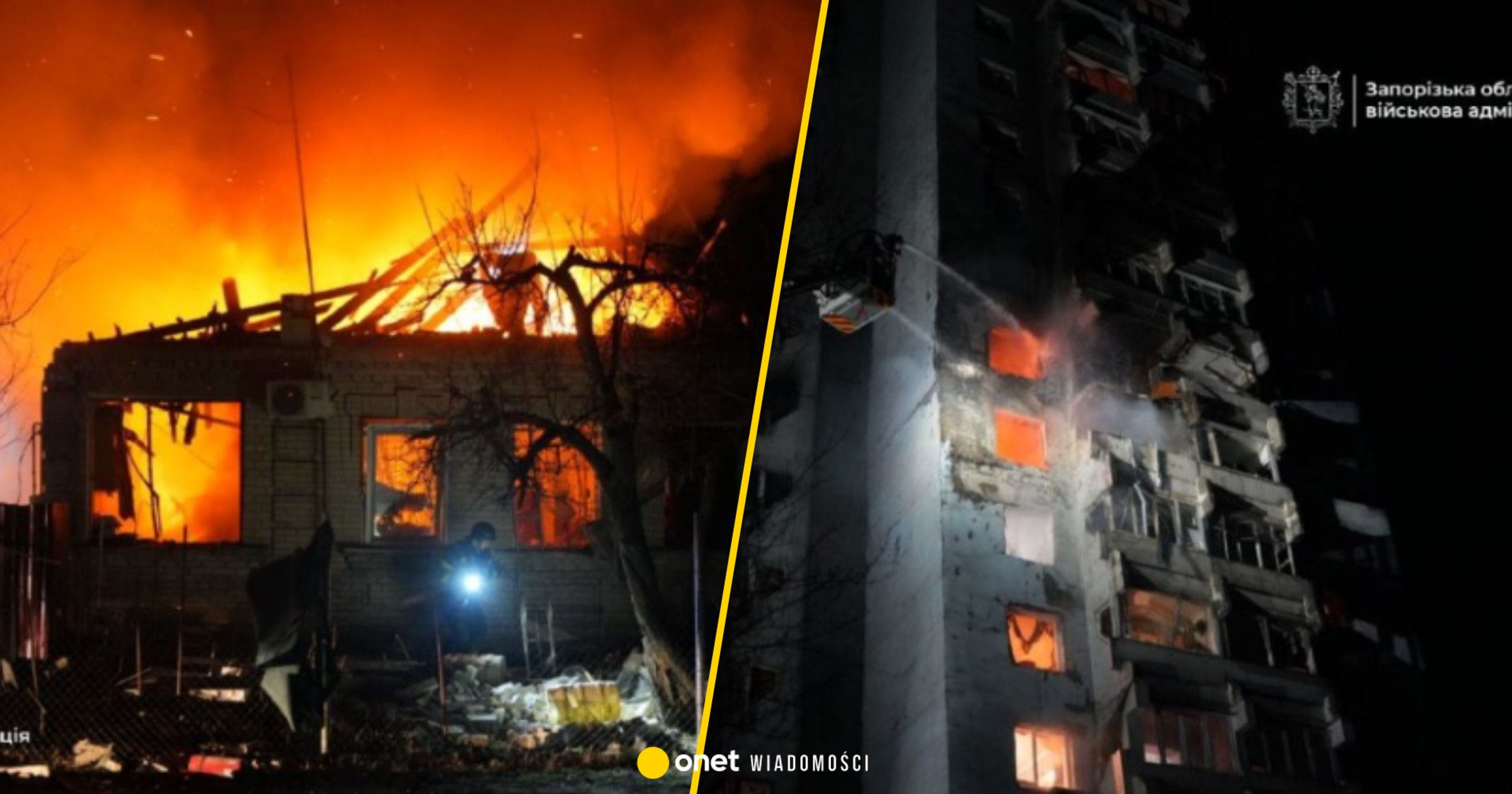
Panic among the Russians. The script from the USSR may repeat itself

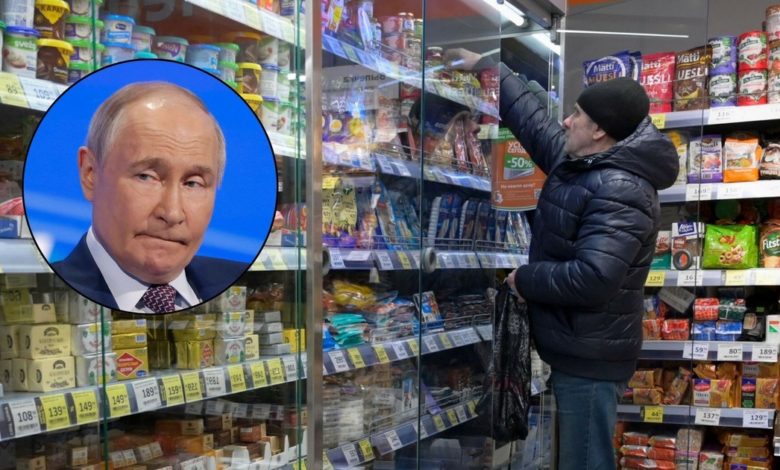
The Kremlin seems to be prepared for introduction state food prices. At least for some food products. Of course for “good population”. The effects of government policy achieved a climax: the price of potatoes in stores increased to 120-130 rubles (at the current course about PLN 5-6) per kilo.
13 leading industry associations, which represent retail sellers, producers, processors and consumers, asked Prime Minister Miszustin to ask that the state does not regulate food prices. The fact of the existence of this letter shows that the government is close to making a decision. If Moscow ignores enterprises and experts, propaganda channels throughout the country will claim that the authorities care about the Russians, stopping the price madness caused by greedy merchants.
It is not difficult to predict what will happen next. The Russians were already in such a situation. Less than 40 years ago they endured endless queues and cardsto buy goods in Moscow. We now have a market economy. However, this does not exclude the division of goods in stores into those with state and private prices. If this happens, dishonest brokers will almost certainly cheat customers by selling products covered by regulations at market prices.
Market prices will soar up, just like meat in Soviet stores, which were initially four times cheaper than meat on the free market, and then 10 times. The state control will be so busy with the prosecution of speculators that you will have to restore separate State Planning Commissionbecause there will simply be enough food to satisfy the demand at state prices. The Kremlin will say that there is no other way to deal with producers who are not able to meet the demand, but will insist on imposing higher prices on society. Wherever this commission appears, there will be destruction.
Vicious circle
The letter stated that Moscow was exerting more and more pressure on producersnot taking into account the objective causes of price dynamics. In addition, the list of socially important goods, which will most likely be covered by price control, is out of date. The consequence of restrictions will be an inevitable return to planned economy.
The most interesting, however, is that not only the authors of the letter and economists understand this situation. The government also understands her. He knows that he himself led to the current crisis. However, he is not able to do anything about it.
Let's go back to the potatoes. First, the price of cultivation increased more than any other, by 300 percent. compared to last year. Secondly, potatoes are very dependent on weather conditions: they need the right amount of rain and are sensitive to both hot weather and frost. Potatoes from the last season had to endure all these extreme conditions.
In the previous year, 2023, record -breaking potatoes were recorded. However, potatoes are not easy to store. Although the surplus could be exported in previous years, export (like imports) encounters many bureaucratic obstacles: you cannot export to “hostile” countries, and contingents apply for “friendly” countries. It is easier to allow them to rot, which happened with a part of abundant collections from 2023. Then the farmers made a reasonable decision to reduce the cultivation area.
But that's not all. The weather was unfavorable before, and the potatoes did not disappear from the Russian shelves. Prices have always been moderate, except for spring, when young and fast ripening potatoes are more expensive. However, those from previous collections were sold particularly cheap, because the suppliers were in a hurry to empty warehouses from new deliveries.
What happened?
First of all, the amount of imported potatoes dropped rapidly. Most buyers did not notice that the gaps between the Russian collections were filled with supplies from Egypt, Israel, Poland and the Netherlands. Imported vegetables maintained prices at a low level and gave buyers a greater selection of varieties.
Imports from Poland and the Netherlands, the main foreign potato suppliers, is prohibited by virtue retaliation sanctions imposed by Russia in 2014 in connection with European sanctions after the annexation of Crimea. However, it still goes to Russian store shelves, although in the form of imports from Belarus.
Since the outbreak of the war against Ukraine, Russia has suspended imports from all “hostile” countries. Even “friendly” countries are still reluctant to trade: due to a shortage of foreign currency, Moscow prefers to pay in ruins or even a barter, just like Egypt, who accepts payments in the form of Russian grain. This causes delays in delivery.
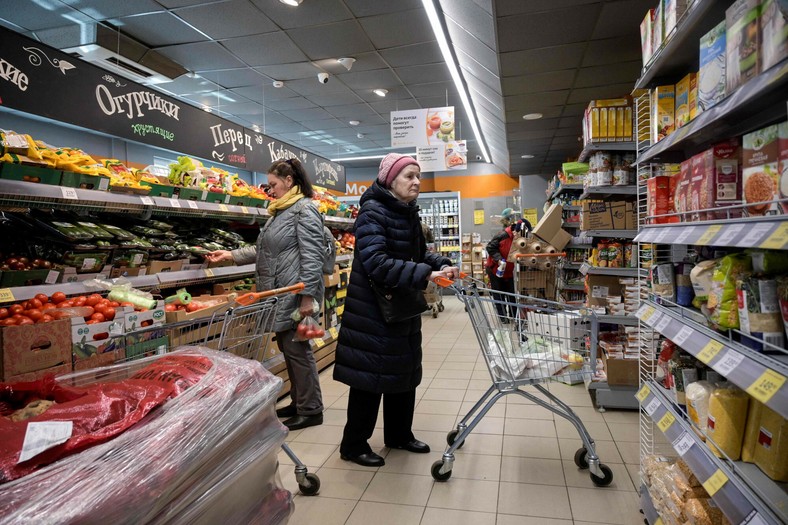
Store in Moscow
You might think that in the face of a lack of competition, Russian potato breeders poured store shelves with domestic products. But there is another problem. Sanctions imposed after 2014 affected not only ready -made products, but also materials needed for farmers to conduct business: breeding bulls, fertilized chicken eggs. The import of planting material, including potatoes, was also banned.
Farmers managed to win import of a limited amount of these materials from unfriendly countries. However, these contingents are reduced every year, and the Ministry of Agriculture claims that Russia must speed up the domestic production of seeds and breeding material, instead of relying on foreign supplies.
Longing for the West
This puts Russia in an adverse situation. While Russian geneticists are struggling with the mystery of creating varieties of plant -resistant plants and pests, potato growers with nostalgia remember the Dutch cutting material, which successfully coped with the invasion of potato beetle, drought, frost and heavy rains. Perhaps Russian seed breeders will come up with something in the next 10 years. In the meantime, farmers will have to use what they have, even if the crops decrease. It is said that at the end of the USSR, potato production in the Soviet Union reached such a huge size that potatoes dug in autumn weighed less than those planted in spring. If current trends persist, it may happen again.
This does not apply only to potatoes. Plant oils and derivative products such as mayonnaise and margarine have increased from the beginning of the year. Not because of weak sets caused by bad weather, but because the Ministry of Agriculture did not spend additional amounts on the import of seeds. This meant that those who could not bring seeds from imports had to sow domestic seeds that give lower yields.
But for the combine it does not matter how much it will collect per hectare. The costs are the same, even if the value of the collections is different. That is why farmers are forced to raise prices, and even wonder if it is worth dealing with re -sowing if the result does not cover the costs.
Russian farmers are increasingly in an uncertain situation. It is becoming more and more difficult to get a loan, and the state provides funds only for the restructuring of existing debts.
Farmers have never had such low margins before. Agricultural machines are expensive. The prices of imported machines increased by 40-60 percent, and national ones follow this trend. It is easier to withdraw from the industry, sell a farm, invest profits and lead a less labor -intensive life.
Imagine what will happen when officials order farmers to sell their products at low prices, without any programs that reduce the initial costs. I do not want to frighten anyone, but even if there is no situation in which the government begins to requisition grain, no one in Russia will avoid the consequences of planned economy.