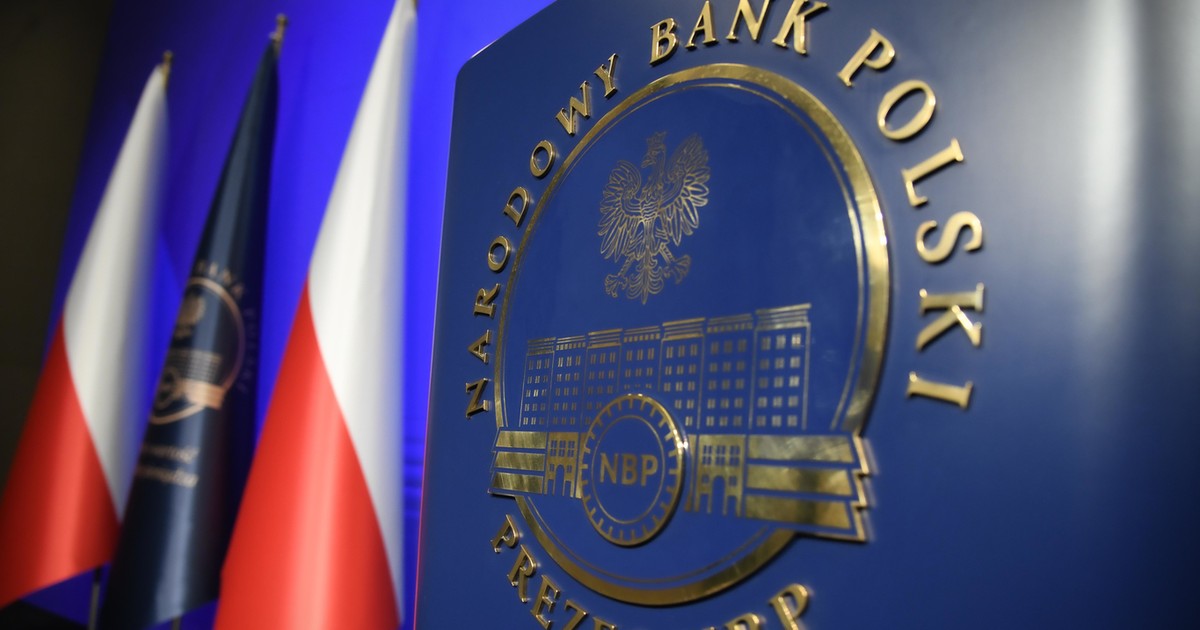
The process of setting interest rates is complex and takes place behind closed doors. The Monetary Policy Council has been responsible for the most important decisions regarding monetary policy since 1998.
In the 1990s, the president of the NBP himself decided on interest rates, using the opinion of the management board and expert analyses. After the reform in 1998, the Monetary Policy Council was established – a collegial body modeled on solutions from other countries.
See also: Benefits and pitfalls of interest rates. Here's how to understand them in practice
Interest rates are the main instrument of the central bank's influence on the economy. Their level depends on, among others: inflation, cost of credit and economic growth rate. Decisions on this matter therefore have a direct impact on the lives of each of us.
The text continues below the video
How does the Monetary Policy Council decide on interest rates? We explain step by step
The Monetary Policy Council has 10 members who are appointed by the President, the Sejm and the Senate. MPC meetings are secret and voting details are published with a delay. After the meeting, the decision is made public. Shortly afterwards, the president of the NBP explains the reasons behind the decision.
The MPC meeting usually lasts two days. The exceptions are one-day meetings where decisions related to current indicators are not made.
The MPC analyzes a number of documents and indicators – from inflation reports to the situation on the labor market and the exchange rate. In the event of an equal distribution of votes, the President of the NBP decides.
See also: A great revolution on the financial market. Investors are pricing in an increase in interest rates in Poland
Council members analyze data on inflation, economic growth, labor market, exchange rates and energy prices. They compare them with previous forecasts and discuss possible threats. They then vote on whether to raise, lower or maintain interest rates.
The collegiality of the NBP body is indicated as a key factor because a group of specialists makes better decisions than one person. The diversity of experiences and views allows for a broader analysis of the economic situation and reduces the risk of errors.
In 2026, the Monetary Policy Council has scheduled two-day decision-making meetings almost every month. Meetings of the Monetary Policy Council are held:
- January 13-14,
- February 3-4,
- March 3-4,
- April 8-9,
- May 5-6,
- June 9-10,
- July 7-8,
- September 1-2,
- October 6-7,
- November 3-4
- December 1-2.
The exception is August – then, on August 25, a one-day non-decisional meeting is planned.