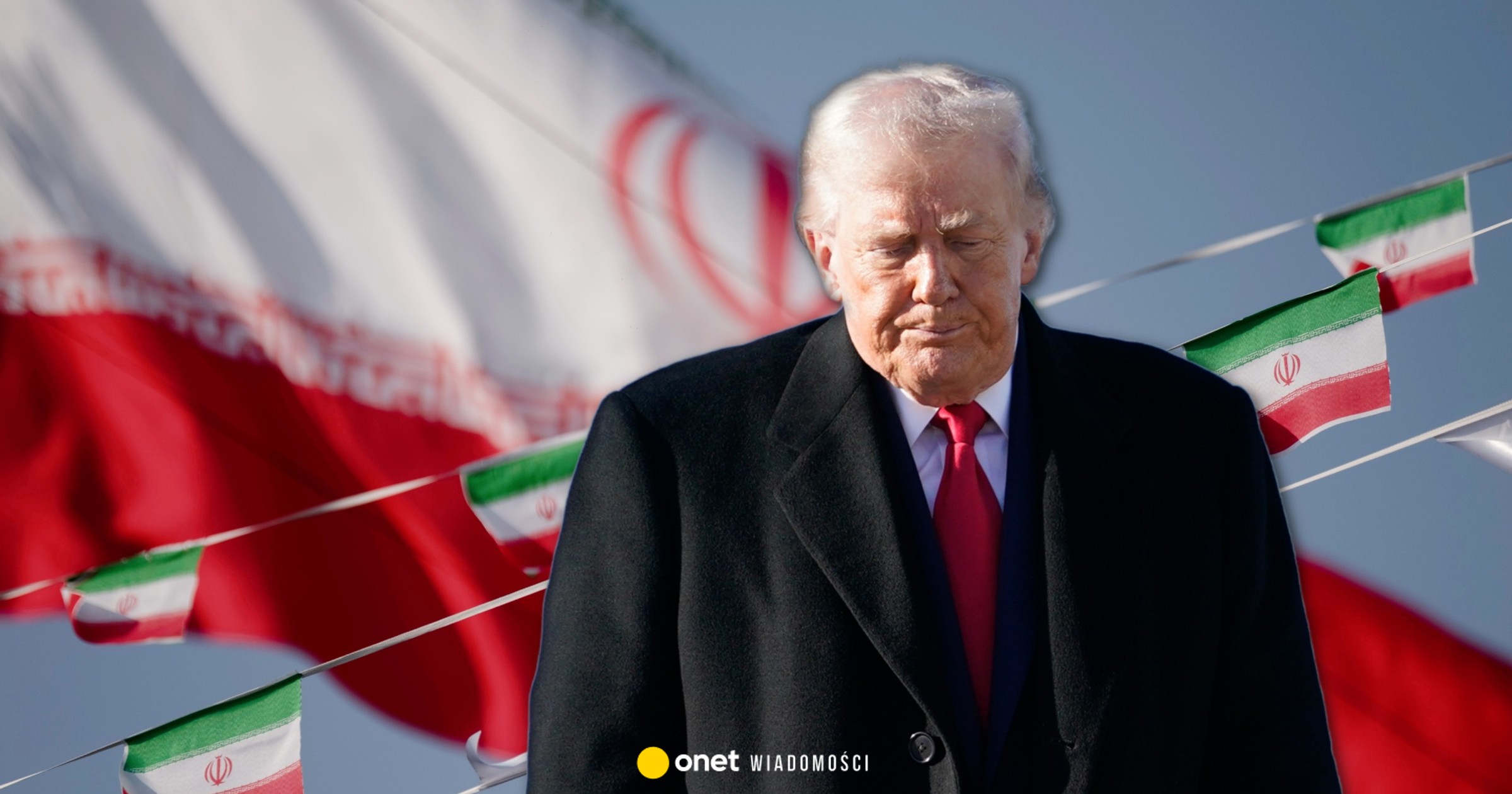
The war in the Middle East is entering its fourth week. According to data from the US Central Command, from the beginning of the attacks on Iran to March 12, US-Israeli forces carried out approximately 6,000 airstrikes on Iran, an average of 460 a day. Iran's leadership has been decapitated – yet Iran continues to defend itself.
Through mass production of cheap weapons and support for allies such as Hezbollah in Lebanon and the Houthi movement in Yemen, Iran seeks to exhaust its enemies and impose high military and economic costs on them.
But the most important element of Iran's strategy is something else. Tehran has been preparing for this confrontation for 20 years. The key to the regime's survival turned out to be “decentralized mosaic defense.”
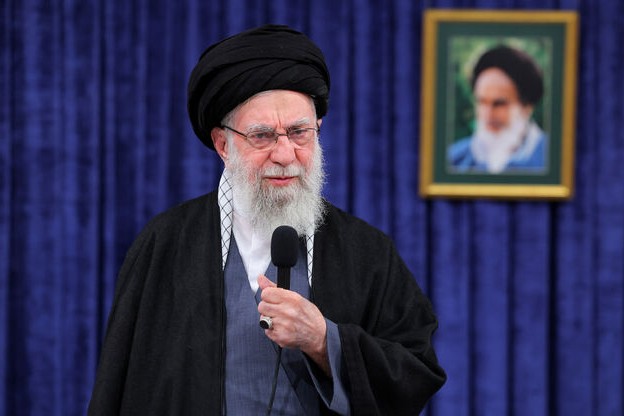
On February 28, the Americans killed the leader of Iran, Ayatollah Ali Khamenei. Nevertheless, the Iranian regime survived because power in the country was deliberately divided among dozens of independent centers.
Ayatollah Ali KhameneiIranian Leader Press Office/Anadolu via Getty Images/Contributor/Getty Images
Each of them has its own intelligence services, weapons and command structure. These units perform predetermined tasks rather than waiting for instructions from above.
“The bombing of our capital has no impact on our ability to wage war. 'Decentralized Mosaic Defense' allows us to decide when and how the war will end,” explained Iranian Foreign Minister Abbas Araghchi.
Former Islamic Revolutionary Guard Corps (IRGC) commander Gen. Mohammad Jafari publicly revealed this defense plan in 2005.
This plan comes from observing the mistakes of the West – especially the Americans – in Afghanistan, Iraq, and even the Balkan wars in the 1990s. These conflicts, along with the Iran-Iraq war in the 1980s, ingrained a culture of resilience and resistance in the Iranian state.
“We have had two decades to study the U.S. military's failures on our eastern and western borders. We have learned from them and incorporated them into our strategy,” Araghchi said.
Lesson from Iraq
In 2003, Saddam Hussein had a highly centralized army. When its leadership disappeared, the entire structure collapsed within weeks.
But that's not all the Iranians learned from the Western intervention in Iraq. In 1981, Israeli planes destroyed Saddam's only ground reactor, Osirak. Iran analyzed it thoroughly and drew conclusions.
The article continues below the video
Tehran realized that the US believed that in the event of armed conflicts the following principle should be followed: cut off the head and the body will fall. This more or less worked for Saddam Hussein.
However, this did not work in the case of Osama bin Laden, whose death did not destroy Al-Qaeda. The killing of ISIS leader Abu Bakr al-Baghdadi also did not put an end to the group's terror.
The Iranians knew that the Americans would attack their supreme leader sooner or later. They spread their nuclear infrastructure across the country and buried key facilities deep underground.
They operated according to the principle: not to give the enemy the opportunity to attack a single target, the destruction of which could end the fight. Iran analyzed Iraq's actions and did the opposite of Hussein. The plan proved successful when Khamenei was killed.
The Islamic Revolutionary Guard Corps (IRGC) is divided into provincial commands in 31 Iranian provinces. Each unit operates as a self-contained small army, with its own intelligence cells and ground forces.
Provincial commanders have full tactical power: they can launch missile attacks, send drones, and even attack or disable ships without the consent of their superiors. Thanks to this, Iran continues to defend itself.
I’m Ashley Davis as an editor, I’m committed to upholding the highest standards of integrity and accuracy in every piece we publish. My work is driven by curiosity, a passion for truth, and a belief that journalism plays a crucial role in shaping public discourse. I strive to tell stories that not only inform but also inspire action and conversation.