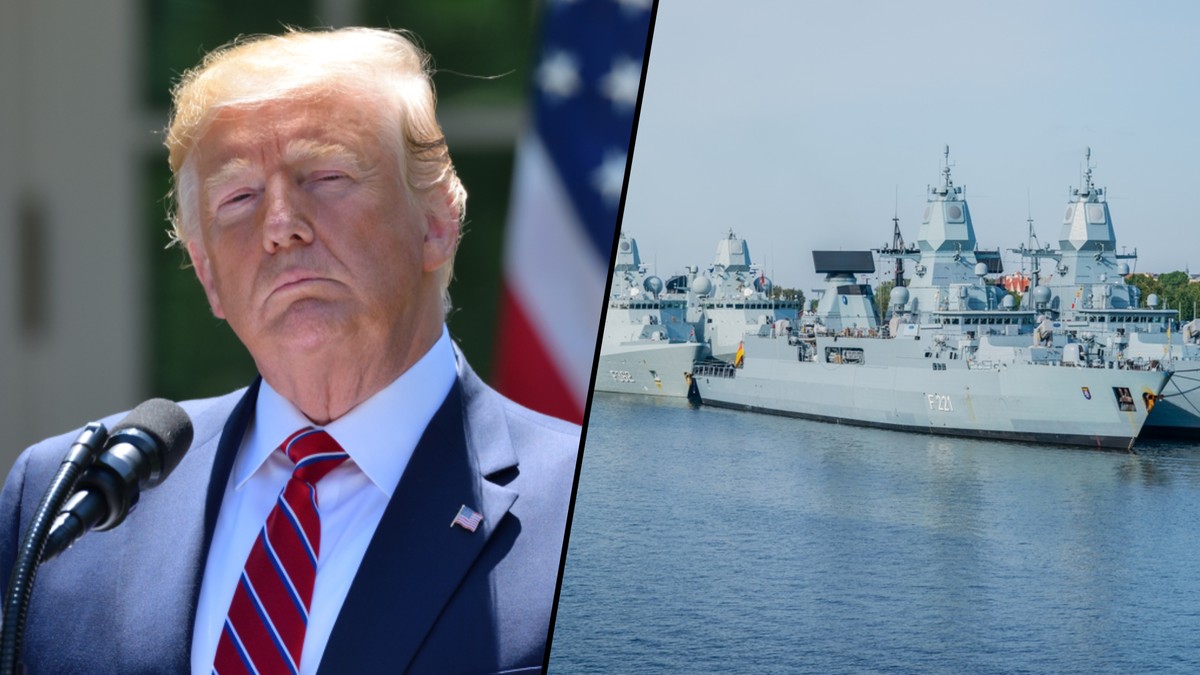
Donald Trump is not giving up his weapons in the fight for the Strait of Hormuz, the blockade of which by Iran has caused a global crisis on the oil market. On Saturday, he announced that the United States would intensively bombard the coastline and continually destroy Iranian boats and ships. He admitted that he was counting on the support of other countries.
The rest of the article is below the video
Donald Trump announces a fight for the Strait of Hormuz
“Many countries, especially those affected by Iran's attempt to close the Strait of Hormuz, will send warships in cooperation with the United States to keep the strait open and safe.” – Donald Trump announced on Saturday afternoon. He shared this information on his own social networking site, Truth Social.
See also: Fuel and crude oil prices without secrets. Compendium of knowledge
In the same message, the President of the United States said that “already 100 percent Iran's military potential has been destroyedbut for them to send a drone or two, drop a mine, or fire a short-range missile somewhere along or within that waterway is easy, no matter how badly they are defeated.”
Donald Trump lists countries. He wants them to send ships
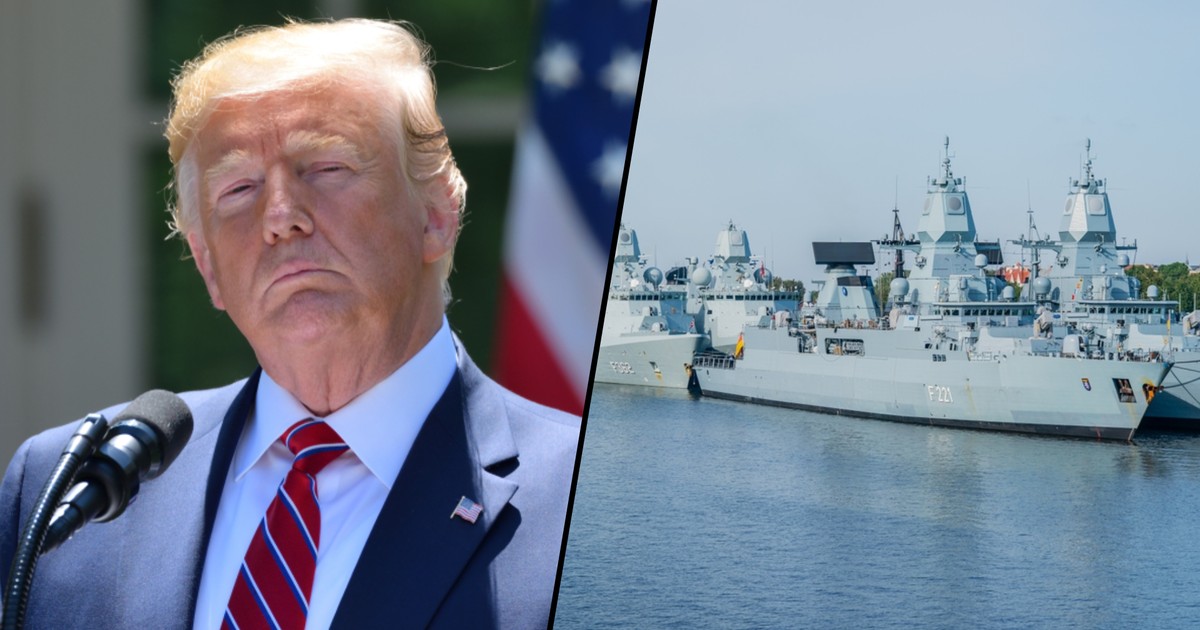
Donald Trump expressed hope that China, France, Japan, South Korea, UK and other countriesthat are affected by this artificial restriction will send ships.
See also: These ships passed through the Strait of Hormuz. Flags of two countries
“So that the Strait of Hormuz no longer poses a threat from a state that has been completely deprived of leadership. In the meantime The United States will bombard the coastline intensively and continually destroy Iranian boats and ships” – he commented.
“Anyway, We will soon make the Strait of Hormuz OPEN, SAFE and FREE!” – concluded the US president.
The Strait of Hormuz is the world's most important checkpoint for energy trade, through which about one-fifth of global oil transport passes. Due to its narrow width and lack of real transport alternatives, its blocking leads to a sharp increase in fuel prices and a global energy crisis. It is a key link connecting Middle Eastern producers with Asian and Western markets, which gives it great geopolitical importance.