European governments are rushing to contain rising energy and food prices as the war in the Middle East threatens another wave of inflationary pressures. The German Economy Minister announced on Wednesday that price changes at gas stations will be limited to once a day, writes Bloomberg.
Continued below the video:
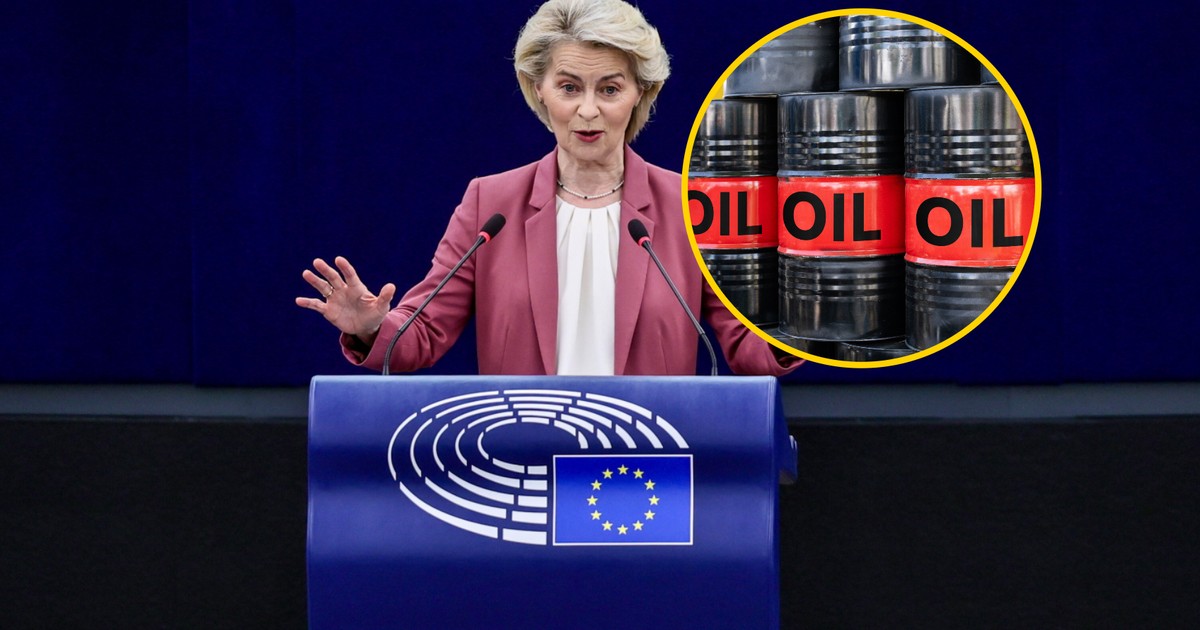
European Commission President Ursula von der Leyen said the institution was considering introducing a cap on natural gas prices as part of broader efforts to reduce the fuel's impact on energy bills. The last time the EU did this was during the energy crisis following Russia's invasion of Ukraine.
The head of the European Commission said on Wednesday that the war with Iran is already costing Europeans billions of euros in energy bills.
“Since the beginning of the conflict, gas prices have increased by 50% and oil prices by 27%,” von der Leyen said Wednesday in a speech at the European Parliament in Strasbourg, France.
“If you convert it into euros: 10 days of war have already cost European taxpayers an additional EUR 3 billion ($3.5 billion) in fossil fuel imports.” she said. “This is the price of our dependence” – she added, quoted by Bloomberg.
See also: This is how much the US spent in the first two days of the war. Donald Trump has a new plan
Europe is struggling with the effects of the war
Greece reduced profit margins on fuel and groceries for the next three months, while Italy will consider using additional VAT revenues from higher fuel prices to mitigate the effects of the crisis on consumers.
Italy is also talking about punishing companies that take advantage of the current situation. “We will do everything in our power to prevent speculation on the crisis,” Italian Prime Minister Giorgia Meloni told parliamentarians on Wednesday. We are examining the potential economic repercussions of the war with Iran “with the utmost attention.”
See also: Russia counts profits from the US war with Iran. Urals crude oil more expensive than Brent for the first time
The specter of inflation over the EU
The measures taken show how seriously the European Union takes the threat of a sharp increase in inflation caused by the war in Iran, which has effectively stopped the flow of goods and energy through the Strait of Hormuz.
This has exposed the EU to fierce competition in the global market, and EU leaders are scheduled to meet in Brussels next week to discuss, among other things, ways to reduce energy costs, writes Bloomberg.
In addition to the national and regional measures discussed in Europe, OECD countries agreed on Wednesday release of 400 million barrels of crude oil from emergency reserves coordinated by the International Energy Agency (IEA), which will be the largest release in history.
Von der Leyen: we are not immune to price shocks
The EC president's statement came after the presentation of new EU energy initiatives on Tuesday, including the planned launch of new, smaller nuclear reactors by the early 2030s to increase energy production in the bloc.
Von der Leyen stressed that recent efforts to diversify fossil fuel suppliers limit the effects of the conflict in the Middle East.
“However, this does not mean that we are immune to price shocks. Energy markets are global” she said. “No matter what measures we take, as long as we import a significant share of fossil fuels from unstable regions, we will remain vulnerable and dependent.”
Source: Bloomberg