Ukraine's long-running campaign of drone strikes against Russia has extended beyond oil and gas infrastructure to electricity grids and civilian heating facilities, military bases and Russian units responsible for launching attacks on Ukrainian cities, according to an analysis by the Kyiv Post.
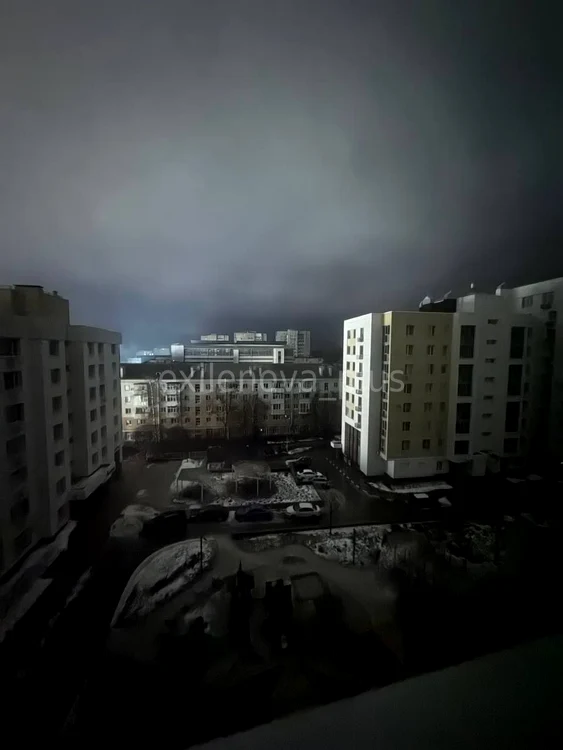
Attacks in the city of Belgorod
In January and February 2026 alone, Ukrainian drones carried out more than 240 attacks on major targets in Russia or occupied Ukrainian territories, the Unmanned Systems Forces (USF) of Ukraine reported on Wednesday. The pace of drone operations has accelerated compared to 2025.
Between July and December 2025, the majority of remote drone strikes targeted Russia's energy sector, including oil refineries, offshore platforms, pumping stations and fuel depots, totaling between 120 and 150 separate attacks. The typical distance of the strikes was between 500 and 800 kilometers from the possible launch points. Among the worst-hit facilities was a Rosneft-operated refinery near Ryazan that was hit at least seven times, temporarily reducing crude oil processing capacity by 300,000 barrels per day.
Other notable attacks on Lukoil facilities, including an offshore platform in the Caspian Sea, have resulted in a 20–25% drop in Russia's national oil processing capacity by December 2025, according to Bloomberg,
In 2026, the list of targets expanded noticeably, with the Ukrainians launching between two and four attacks per day.
Cities in western Russia, such as Belgorod, have been hit repeatedly, targeting power generation facilities, transformer stations, thermal power plants and fuel depots, causing widespread blackouts. Governor Viaceslav Gladkov said that by mid-February, about a quarter of residential buildings required evacuation due to severe damage to heating infrastructure. The overnight strikes on February 20 knocked out electricity in most of the region, which has about 1.5 million inhabitants.
President Volodymyr Zelensky said in a late-night video address on February 8 that Ukraine considers Russia's power grid a legitimate target, following Kremlin attacks on Ukrainian cities.
Russian drone strikes also caused power outages and heating disruptions in Kiev, but Ukrainian authorities were able to carry out repairs without issuing evacuation orders. Ukrainian drones also struck the city of Briansk on February 9, targeting electrical infrastructure.
Military targets are becoming increasingly common targets in 2026. Ukrainian special forces units targeted Russian air defense installations, including Pantsir-S1 batteries near the cities of Kerch and Hvardiiske and S-300VM launchers near the occupied city of Mariupol.
These attacks preceded one of the largest drone raids of the war, involving more than 200 drones hitting Russian air bases in Kacha and Belbek, as well as a missile depot near Pasechnoe in Crimea. Public reports and video footage indicate significant damage to Russian equipment. It was not possible to determine precisely in each case whether the attacks were carried out by the drone forces or the military intelligence agency of Ukraine (HUR).
The commander of the Unmanned Forces, Major Robert “Madyar” Brovdi, said that since February, operations have focused on neutralizing the launch points of Russian drones. In a 24-hour period, Ukrainian forces reportedly hit 44 such points, destroying or damaging 121 long-range drones.