Spread on bread, added to dishes or eaten directly by the spoonful, peanut butter has become increasingly popular. But what effect does it have on the body if you consume it daily? Experts explain what happens in the body when you eat peanut butter every day.
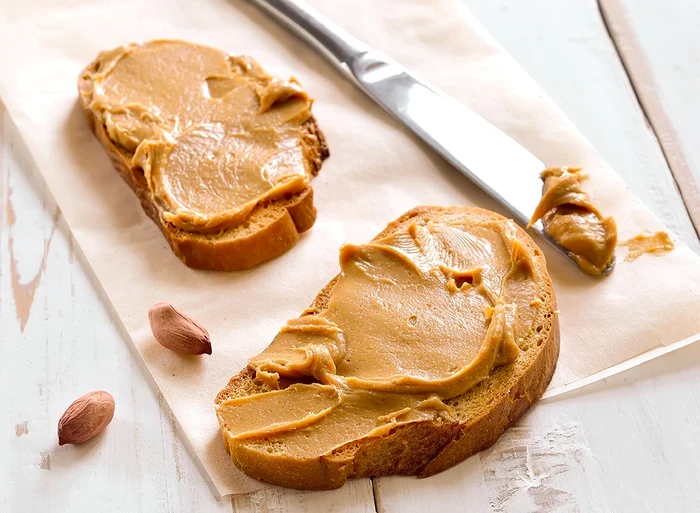
PHOTO: Archive
1. Muscle growth
Protein is one of the main nutrients in peanut butter. A standard two-tablespoon serving contains about 7 grams of protein, which is about 14% of the recommended daily allowance.
“Peanuts contain more protein than any other type of nut,” explains Malina Malkani, child nutrition expert and author of Safe and Simple Food Allergy Prevention. Protein provides the amino acids the body needs to build, maintain and repair muscle mass, making peanut butter a convenient source.
2. The feeling of satiety longer
Thanks to the combination of protein and healthy fats—about 16 grams of fat per two-tablespoon serving—peanut butter promotes satiety and helps you feel full longer. This effect can be especially helpful in managing appetite or maintaining a healthy weight, according to Health.com.
A 2022 study found that 24 obese women who ate whole peanuts as part of a calorie-restricted diet lost an average of 3 pounds more than those who didn't eat peanuts.
3. Supports heart health
Like other nuts or olive oil, peanut butter is rich in monounsaturated fats, which are associated with raising “good” HDL cholesterol and lowering cholesterol “river” LDL when consumed regularly, important factors for heart health.
Peanuts also contain fiber, magnesium, omega-6 fatty acids, arginine—an amino acid that helps relax blood vessels and improve circulation—and potassium, which supports healthy blood pressure. One study showed that people who ate peanuts daily for six months had a greater decrease in systolic blood pressure compared to those who did not eat peanuts.
4. An important source of vitamins and minerals
Peanut butter also provides essential micronutrients such as magnesium and vitamin E. Magnesium supports bone health and energy metabolism, and vitamin E strengthens the immune system and protects cells from damage.
5. More calories
A standard two-tablespoon serving contains about 190 calories, so excess can contribute to high calorie intake. However, moderate consumption of peanut butter as part of a balanced diet should not lead to weight gain, explains nutritionist Sarah Garone. Studies show that eating nuts either does not affect weight or can help prevent weight gain.
Beware of additions
By consuming peanut butter daily, you run the risk of consuming hydrogenated oils, added sugar, or excess salt, ingredients that can diminish the health benefits. Choosing a peanut butter with just two ingredients—peanuts and a little salt—helps avoid these additions.
In conclusion, peanut butter, consumed daily and in moderation, can bring important benefits to the body, from muscle and cardiovascular health to vitamin and mineral intake.