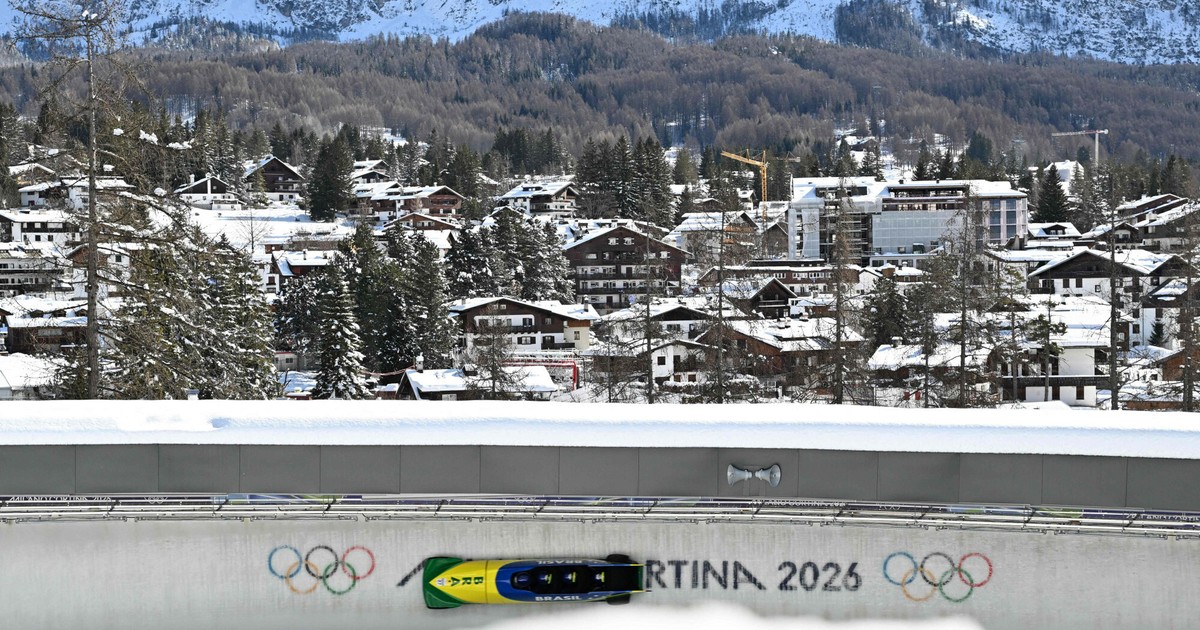
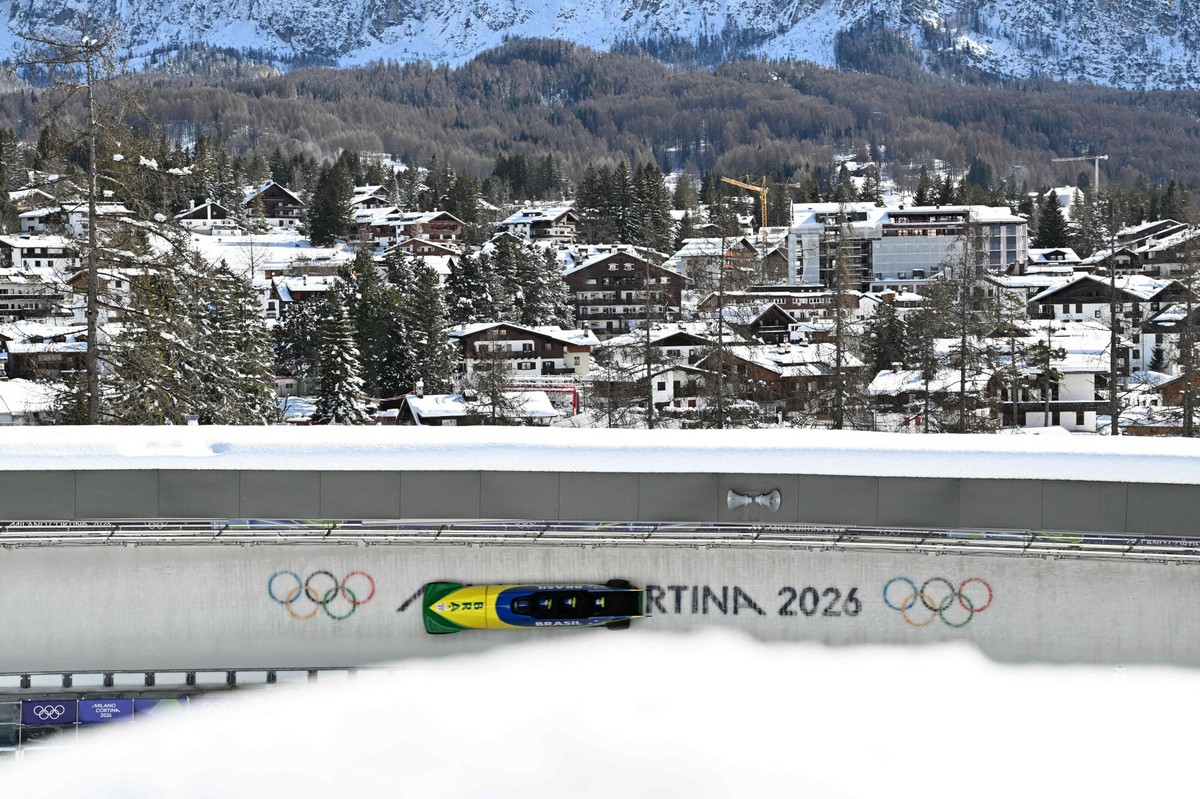
Earlier in Business Insider Polska we pointed out that the budget for organizing the XXV Winter Olympic Games in Milan and Cortina is expected to amount to approximately EUR 5.7–5.9 billion, i.e. approximately 0.3 percent. Italian GDP. This level is relatively low considering the scale of the economy, even despite the high level – reaching approximately 135%. GDP – Italy's public debt.
The text continues below the video
According to calculations by Finax analysts, the financing structure is highly centralized: over 90 percent infrastructure expenses are covered by the government, regions contribute to a limited extent, and operational costs are largely financed by private sources — ticket sales, media rights and sponsorship.
What will Italy get from the Olympics?
From an economic perspective, however, what is crucial is not the billions spent on the organization, but the economic effect of the entire event. Italian forecasts – as we wrote in Business Insider Polska – assume a multi-billion impulse for the economy, resulting from the influx of tourists and their spending, infrastructure investments, employment growth, and global promotion of the country and regions.
The government allowed local governments to increase tourist fees in Olympic areas, which was intended to directly increase their revenues.
Short-term profit, long-term test
Finax analysts emphasize that the biggest economic impulse comes in the short term – during and immediately after the Olympics. The real question, however, is whether the investments will continue to pay off even after the event ends.
Therefore – just like in Paris in 2024 – the Italians focused mainly on modernizing the existing infrastructure instead of expensive construction from scratch. This is intended to reduce the risk of a scenario known from Athens, Rio or Sochi, where some facilities became a financial burden after the Olympics.
“The experience from the previous Games shows that the way in which the existing infrastructure is used is crucial. Paris 2024 proved that costs can be reduced by relying mainly on already functioning facilities and making new investments make sense after the Games,” says Przemysław Barankiewicz, head of Finax for Poland.
Read also: This is impressive: Poles can get up to half a million PLN for an Olympic medal
The Games as an investment accelerator
Even if the event doesn't “pay for itself” directly, it acts as a catalyst for projects that would have had to be created anyway – just much later. The pressure of the Olympic deadline accelerates the modernization of railway lines and roads, public transport, airport infrastructure and urban spaces. In the long term, these elements may determine the real economic balance.
Read also: Polish Olympians will receive prizes in tokens. The taxman is watching closely
The Olympics “don't pay off directly”
In addition, there is an image effect that cannot be easily converted into money. Hundreds of hours of broadcasting and global media presence strengthen the tourism brand of regions such as Lombardy or the Dolomites – and this can attract visitors for many seasons to come.
However, as Finax points out, history shows that not every investment was successful. An example is Rio de Janeiro, where an expensive metro line was built mainly for the needs of the games, instead of responding to the real needs of the inhabitants. In turn, the experience of Athens and Sochi shows that many sports facilities remained unused after the competition, generating further maintenance costs.
“The Olympic Games rarely pay off directly, but they can bring real indirect benefits. Provided that the infrastructure built for this event will be useful also after the competition ends,” summarizes Przemysław Barankiewicz, head of Finax in Poland.