How Ukrainian soldiers survive in the trenches, in extreme cold conditions: “They come towards us like zombies”


Faced with extreme cold temperatures and limited resources, the Ukrainian infantry must be creative. The conflict zone is going through one of the most severe periods of extreme cold since the beginning of the Russian invasion in 2022. Two commanders explained to Business Insider how the troops manage to survive in the freezing trenches.
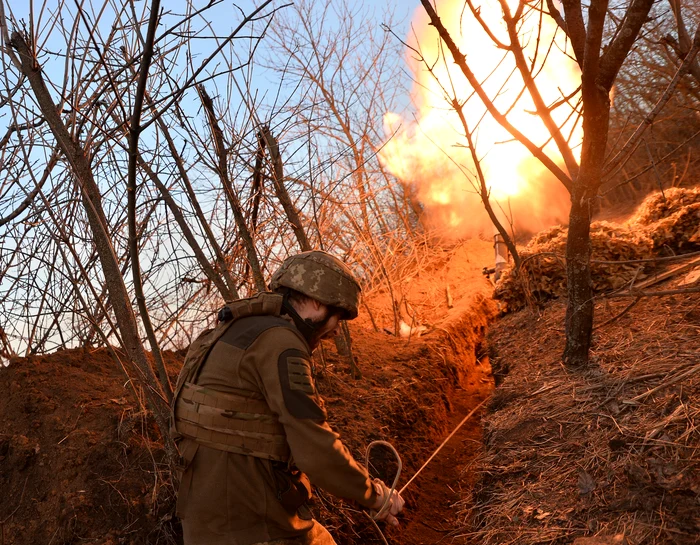
For the Ukrainian infantry, survival in the winter trenches requires a delicate balancing act.
“It's extremely cold in Ukraine,” said Nefor, chief sergeant of an infantry company in the Ukrainian Army's 3rd Corps. “I think this is the first winter in years where the weather has been this cold.”
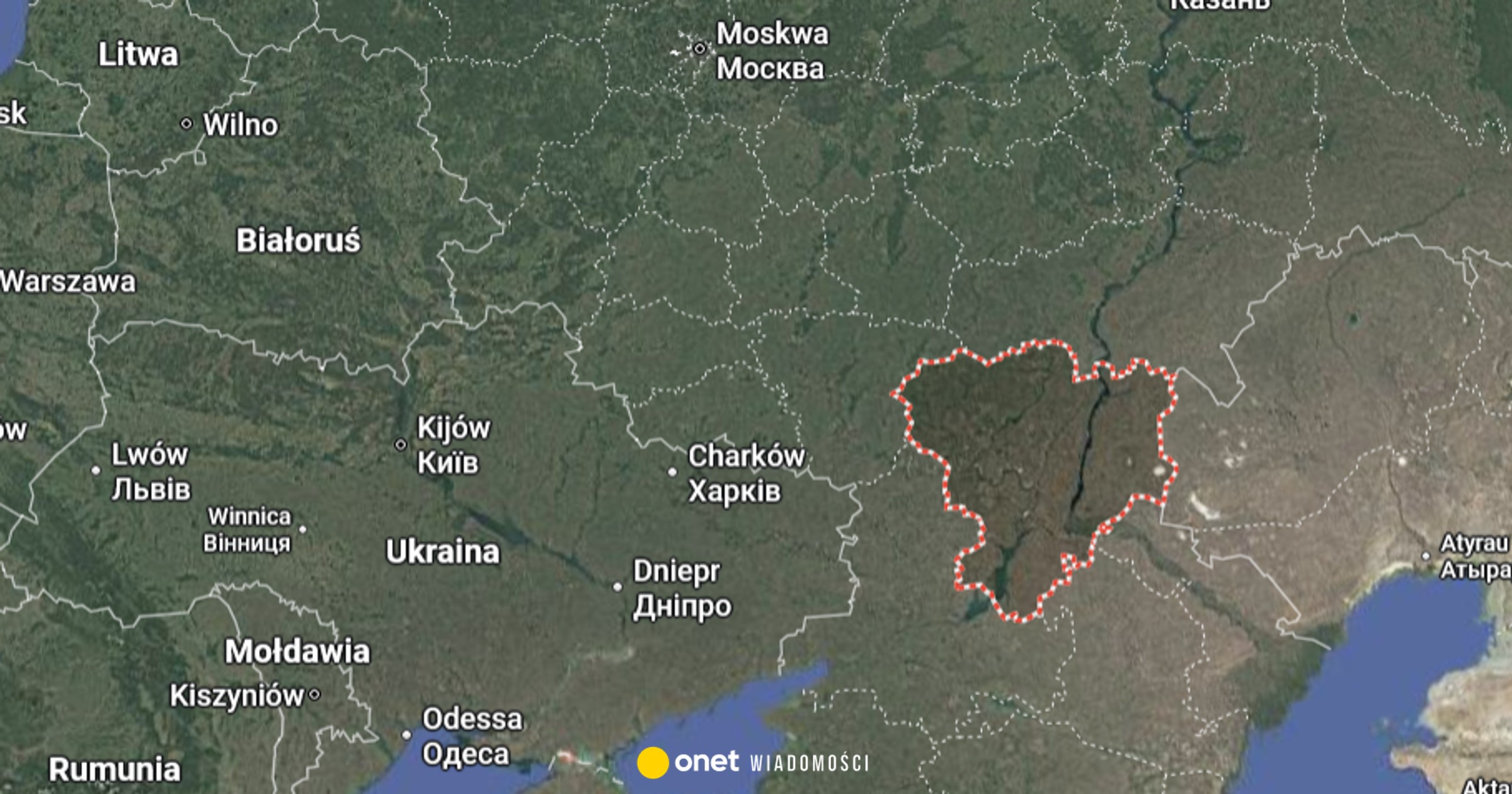
A cold snap hit much of Ukraine last week, bringing negative temperatures that dropped to -21C at night in the northeastern Kharkiv region, where Nefor is fighting. Business Insider spoke with him and another Ukrainian commander who oversees a front-line drone company about what it means to maintain a position in the trenches in severe weather. Trench warfare, largely neglected in recent decades, has rekindled the interest of militaries around the world, especially in Europe.
How not to freeze without being detected by drones
Nefor, who identified himself only by his callsign, is responsible for assigning infantry rotations to frontline positions. O Any soldier holding a position must be equipped with chemical body warmers that can be worn under the uniform, he says.
“It works, it's not bad,” said Nefor. “If you want to rest a little, you take a chemical heater, a sleeping bag and you warm up faster.”
In such low temperatures, you can get frostbite in 30 minutes, so the troops constantly need heaters, he added. They typically last six to eight hours, meaning a soldier needs at least three heaters a day, Nefor added.
His company also experimented with electrically powered heaters. But they present a risk – the body heats up more, which makes soldiers easier to detect by thermal optics, especially in relation to the much colder than usual external environment.
Chemical heaters, in contrast, emit low heat signatures that are difficult for light drones to detect.
“One can identify the presence of a thermal imaging device on the weapon, but the thermal signature is minimal,” said the sergeant, referring to the thermal imaging systems attached to the Russians' weapons.
Senior Lieutenant Serhii Andrieiev, deputy commander of the 3rd Army Corps' Kraken drone company, said his pilots prioritize trench camouflage during winter, when forest vegetation is sparse, reducing visual coverage.
The heat signal generated by drone engines is easier to identify, and the luxury of operating from a front-line building in Kharkiv is only available to “extremely lucky drone operators,” Andrieiev added.
“In most cases, we operate from a deep pit or a cellar in a destroyed building,” detailed the deputy commander.
Equipment such as electric heaters consume considerable energy and require a power supply in the trenches.
Nefor explained that his unit uses about 20 portable EcoFlow batteries, insufficient to cover all positions on the front line, which are also needed to power screens and radios.
Instead, most soldiers use personal external batteries to keep their devices charged. “It's the usual store-bought external battery,” Nefor specified. “External batteries with Type-C or USB ports.”
“If you're not dry, you die”
Low temperatures are exacerbated by temperature fluctuations around the freezing point. Clothing, especially in humid areas, absorbs water from the thaw, which then freezes, increasing the risk of hypothermia.
“If you're not dry, you die,” Nefor pointed out. “It is a frequently used saying.”
Wet clothing in winter remains wet, forcing troops to request dry spare clothing from their commanders.
Unmanned ground vehicles have recently been a major boon for Nefor's unit, freeing soldiers from the burden of carrying ammunition, clothing and other essential supplies such as food, water and chemical heaters for weeks in the trenches.
Firearms and ammunition are also susceptible to water impregnation. Nefor noted that his troops apply a lubricating mixture to their weapons, consisting mainly of motor oil and sometimes a small amount of antifreeze, to prevent freezing.
“You have to fire the gun once or twice to warm it up, then apply lubricant,” Nefor explained.
Both commanders pointed out that the severe winter is adding to the psychological stress on Ukrainian troops, already under intense pressure and often facing a lack of reinforcements due to the grueling nature of the conflict.
Nefor's unit deploys small groups of two or three soldiers — a maximum of four — to each position to minimize the risk of detection by Russian drones. Each soldier alternates at intervals of several hours between observation posts, which are usually colder, and rest areas, which are warmer.
Andrieiev added that if there were more drone pilots, they could rotate front-line personnel every four or five days. Instead, his teams spend periods of two to three weeks in the forests.
“It's exhausting to spend so much time in cold temperatures. Even with heating systems,” Andrieiev concluded.
Troops need additional fuel and clothing resources to accomplish their tasks. Even a basic action like using a makeshift toilet in the trenches becomes a stressful situation as the soldier is exposed to the threat of Russian drones while simultaneously wearing multiple layers of clothing, body armor and military equipment.
Meanwhile, the Russian assaults they must repel remain just as frequent and intense during the cold weeks, Andrieiev said.
“It doesn't matter what the weather is like. They're coming at us like zombies, two or three in the middle of the frozen field,” he said.