Raed Arafat, appeal to parliamentarians. It calls for limiting the access of children and teenagers to social networks

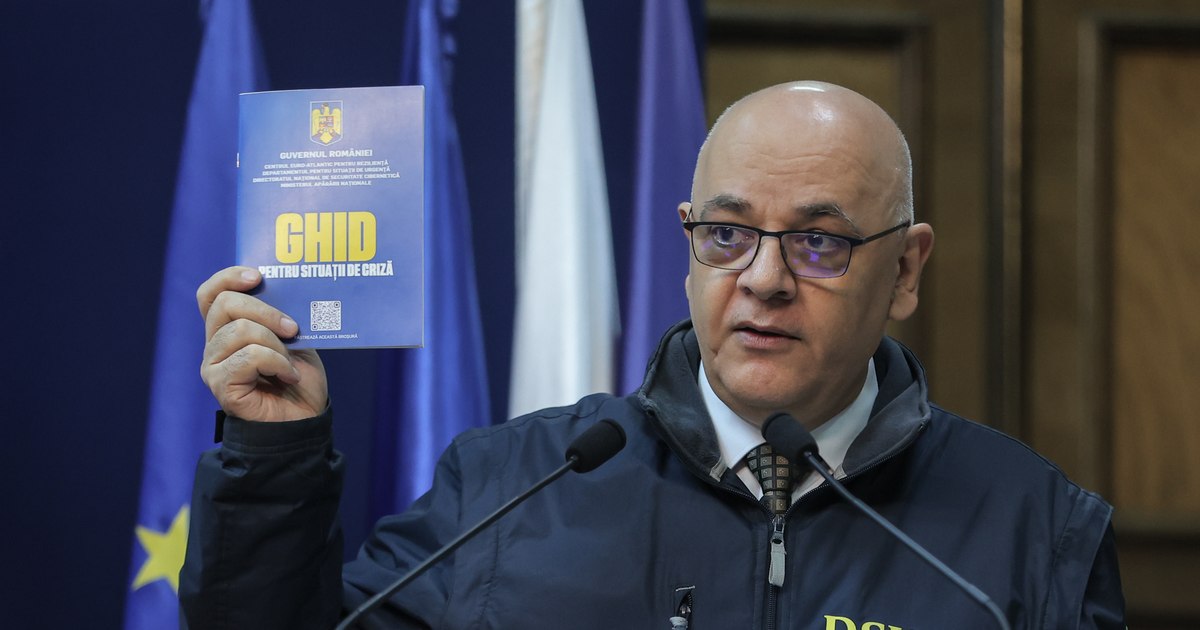
Raed Arafat, head of the Department for Emergency Situations, comes with a proposal already adopted by other states, amid serious events in which children were involved.
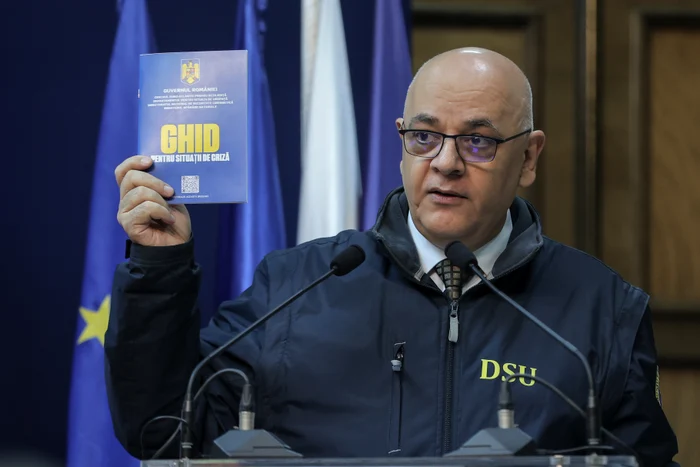
Raed Arafat, head of DSU PHOTO: Inqam Photos/Alexandru Buscă
Concerned by the recent serious events that have had several children as negative protagonists, Raed Arafat, the head of the Department of Emergency Situations (DSU), calls on the parliamentarians to take responsibility for legislating the limitation of minors' access to social networks. He gives as an example European states that have done this for a long time.
“I was sitting and reflecting, especially after the last extremely serious events that had children and teenagers as the main actors: wouldn't now be the right time for Romania to take a brave and responsible step and join the states that are discussing or have already decided to limit the access of children and teenagers to social networks? States like France, Australia, the United Kingdom or Norway are already treating this issue as what it is in reality: a problem of public health and child and adolescent protection, not a ideological debate. It's not about censorship. It's about protecting the mental health of children.” writes Arafat in a post on Facebook.
The head of the DSU also comes with additional arguments related to this aspect.
“Just as we do not allow children and adolescents access to tobacco, alcohol, gambling or adult films, we must have the honesty to admit an inconvenient truth: social networks are high-risk products for children and adolescents. These platforms rely on sophisticated manipulation mechanisms, built to capture attention and generate addiction. A child or adolescent does not yet have the necessary neurological and emotional maturity to defend against algorithms deliberately designed to exploit vulnerabilities“, Raed Arafat also states.
He mentions that social media has become a breeding ground for: cyberbullying, public humiliation and stigmatization, constant social pressure, toxic comparison and artificial validation.
“For children and adolescents, these experiences can have profound and lasting effects: anxiety, depression, isolation, sleep disturbances, decreased school performance and impaired emotional development. Saying 'it's just the parents' responsibility' is no longer enough in a world dominated by global platforms and huge commercial interests. When the risk is systemic, the response must be one of public policy. Protecting children and adolescents does not limit freedom; makes it possible in the long run. Childhood and adolescence should not be sacrificed for the profit of digital platforms. That is why it is time for Romanian parliamentarians to assume this responsibility and initiate a clear legislative framework to limit the access of children and adolescents under 15-16 years of age to social networks. It is not a measure against technology, but an investment in the health, balance and future of younger generations. For the benefit of children and adolescents. For the good of Romania”Raed Arafat concludes his plea.
Former Education Minister Daniel David recently rejected the idea of banning children from social media, arguing that technology is part of today's reality and those who are excluded are left behind.
“We live in an industrial revolution. Technology is here to stay. I always avoid bans, but I'm all for controlling them. We are the measure of this technology, so let's use it well. I would rather encourage parental controls, which are much more useful, especially for teenagers, so for those over 14. If you start banning things for children who are in their teenage years, I'm very afraid that they will find ways hidden from their parents to get there anyway. I'm not on the contrary, I'm just saying think twice,” explained the minister, when asked about the idea of banning minors' access to social networks.
Daniel David not only does not support the prohibition of access to social networks, but even warns that young people who do not have contact with the online environment may be at a disadvantage in a world that is constantly digitizing.