In a cash crunch, the Russian government wants to resort to taxing an activity it previously banned

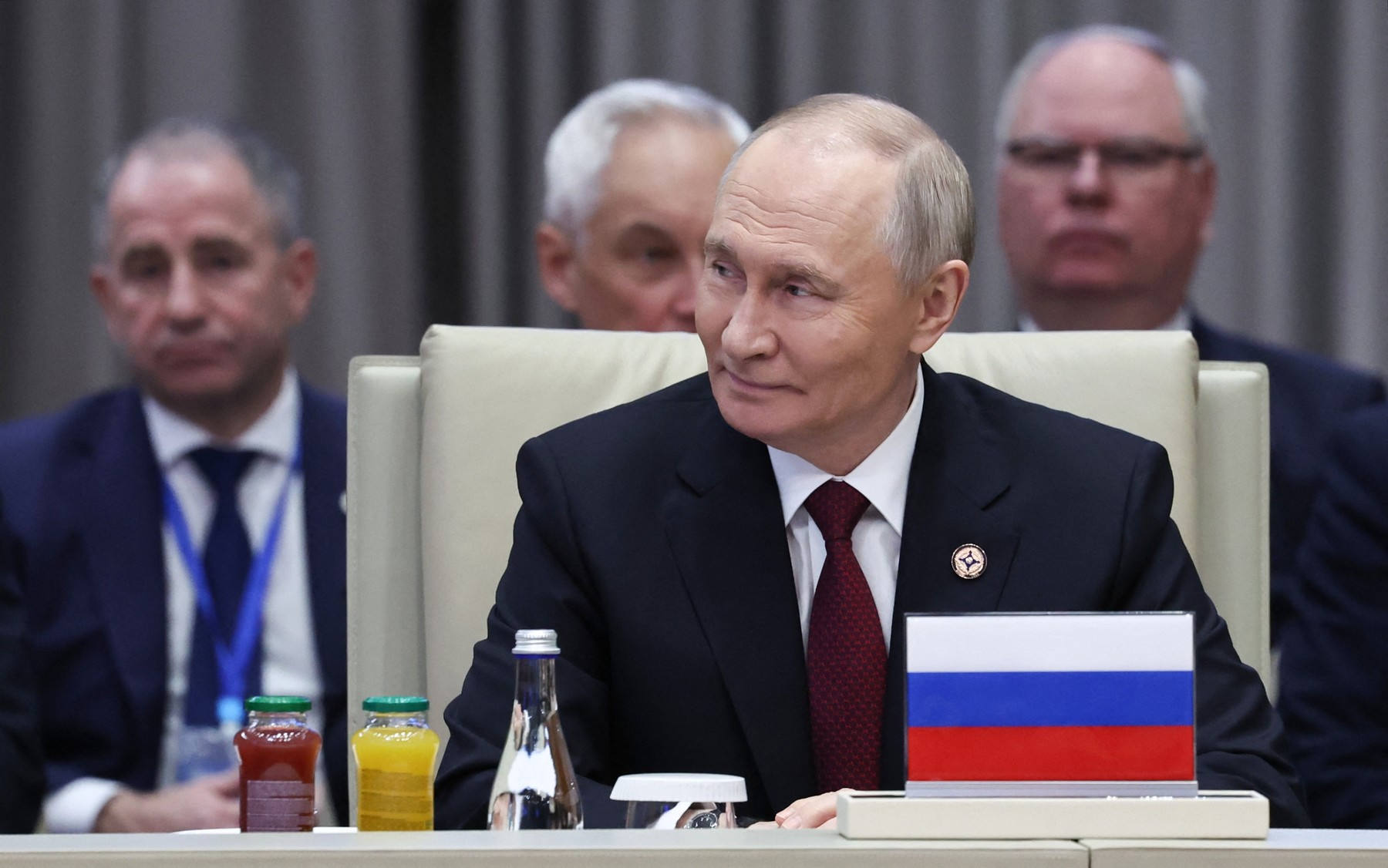
Vladimir Putin. PHOTO: Alexander KAZAKOV / AFP / Profimedia
Russia may lift a ban on online casinos and impose a 30% tax on their revenues in an attempt to bring in up to 100 billion rubles ($1.3 billion) to the state budget, Kommersant daily reported on Tuesday, reported by Reuters.
According to the sources cited by Kommersant, the Minister of Finance, Anton Siluanov, proposed to change the regulations on the gambling market, in a letter addressed to President Vladimir Putin. The amendment would lift the ban on online casinos, subject to certain conditions, such as the designation of an operator proposed by the Russian government and a mechanism for online casinos to accept bets through a unified platform similar to those used by bookmakers. The Ministry of Finance is proposing to set the minimum age for customers at 21 and expects revenues for the state treasury, depleted by the war in Ukraine, to reach 100 billion rubles ($1.3 billion) annually.
Last year, Russia doubled its budget deficit target to 2.6% of GDP as revenues could not keep up with rising military spending to support the war in Ukraine. This year, Russia aims for a budget deficit of 1.6% of GDP, reports Agerpres.
From 2022 to now, the Russian government has collected at least 27.6 trillion rubles in taxes through various tax plans to help balance budgets, and economists warn that further tax increases are inevitable.
Higher taxes in Russia
Also in an attempt to increase budget revenues, the government in Moscow targets, through the value added tax (VAT), the imports of consumer goods entering Russia from China through the states of Central Asia, using the free trade agreements of the Eurasian Economic Union.
Separately, the Deputy Minister of Industry, Roman Cekușov, told the Business FM radio station that the Government will target large shipments of consumer goods arriving in Russia via cross-border e-commerce platforms.
The Ministry of Finance in Moscow refused to comment on the Kommersant article and Chekusov's statement.
Starting January 1, 2026, the Russian government increased the VAT rate from 20% to 22%, aiming to add 4.4 trillion rubles to the budget from 2026 to 2028. It also eliminated some VAT exemptions for small businesses, a move that would bring in another 200 billion rubles in revenue.
The government in Moscow has also targeted the betting industry with new taxes, which are expected to increase the revenue collected from one billion rubles a year, currently, to 60 billion rubles.
Economists warn that the tax hike could trigger a “fiscal spiral”, where new taxes choke business activity, leading to lower future tax revenues and forcing the government to implement further tax increases.