
The US is targeting regime change in Cuba by the end of the year. What is the White House betting on?

US President Donald Trump's administration is reportedly looking for ways to speed up the change of the communist regime in Cuba by the end of this year, encouraged by what it sees as recent success in Venezuela, The Wall Street Journal reports, citing sources familiar with the talks in Washington.
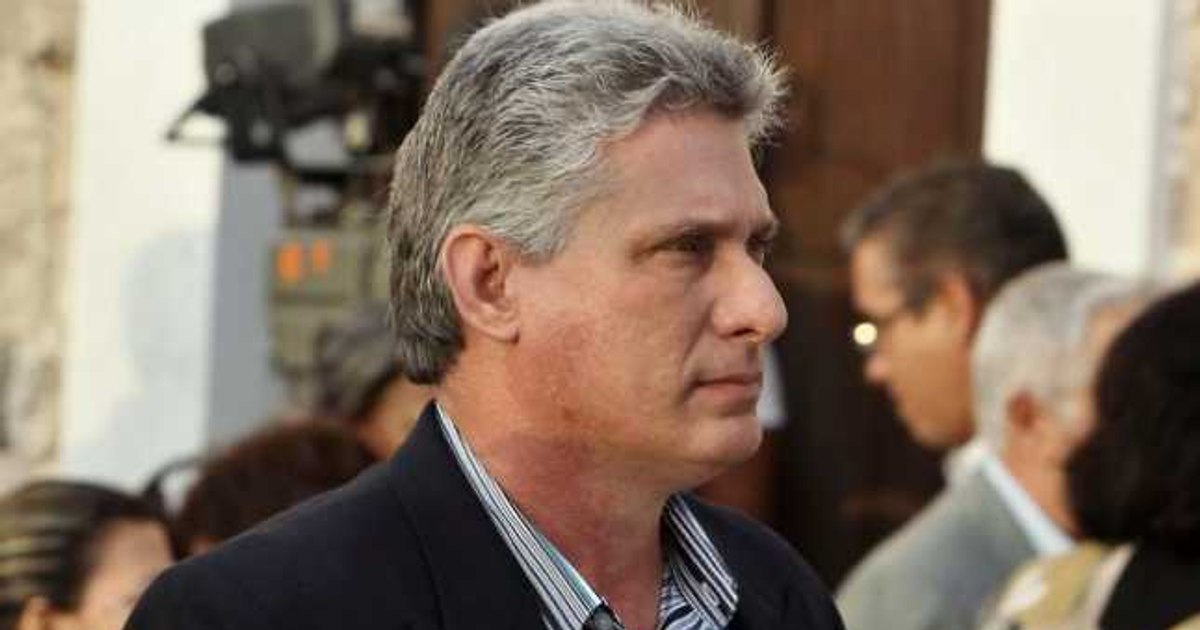
Miguel Díaz-Canel Bermúdez, President of Cuba/PHOTO: Archive
According to the publication, White House officials believe that Cuba's economy is on the brink of collapse, and the government in Havana is more vulnerable than ever after losing essential support previously provided by the Venezuelan regime led by Nicolás Maduro. In this context, the American administration would try to identify people within the Cuban state apparatus willing to collaborate with the United States.
The sources said there is no detailed plan yet to oust the communist government that has been in power for nearly seven decades. However, the capture of Nicolás Maduro and the subsequent concessions made by his allies are seen in Washington as both a strategy and an implicit warning to Havana.
Representatives of the Trump administration met with members of the Cuban exile community and various civic groups, particularly in Miami and Washington, in an attempt to identify Cuban officials willing to negotiate. According to the WSJ, in the case of Venezuela, the operation would have been possible with the help of a person in the close circle of the leader in Caracas.
Although the United States has not made explicit threats to use force against Cuba, members of Trump's team say the operation in Venezuela should be interpreted as a deterrent. In parallel, US officials describe a worsening economic situation on the island, marked by chronic shortages of food and medicine, as well as frequent power outages.
A central element of the pressure on Havana is energy
The Cuban economy depended for years on subsidized oil supplied by Venezuela, especially after Hugo Chávez came to power. Washington would intend to block these supplies, which, according to sources, could leave Cuba without oil within weeks, risking a complete paralysis of the economy.
Some officials in the Trump administration argue that the president prefers to get results through negotiations and agreements, not through classic regime change strategies. Still, his political allies expect the end of communist rule in Cuba, a scenario that could trigger instability and a humanitarian crisis — a situation Trump reportedly tried to avoid in Venezuela by maintaining some of the existing structures.
“These people are much harder to sway than in Venezuela. There are no people willing to side with the United States”said Ricardo Zúñiga, a former Obama administration official involved in negotiations for the temporary rapprochement between the US and Cuba from 2014-2017.
According to the WSJ, Donald Trump believes that ending the Castro era in Cuba would cement his political legacy, accomplishing what President John F. Kennedy failed to do. The objective is also supported by Secretary of State Marco Rubio, the son of Cuban immigrants, for whom regime change in Havana is an old theme.
In Miami, where politicians have long argued that Cuba's transformation depends on a change of power in Venezuela, Maduro's ouster has been greeted with enthusiasm and expectations that Havana will be “next” have grown.
But Cuban President Miguel Díaz-Canel firmly rejected any possibility of compromise. “There can be no capitulation, no surrender, and no understanding based on coercion or intimidation“, he previously stated.
In separate comments, the former Ukrainian foreign minister Pavlo Klimkin suggested that a possible success of Marco Rubio in the collapse of the Cuban regime could strengthen his chances of becoming the next president of the United States, a scenario recently analyzed by Politico publication in the context of developments in Venezuela.


