Why are we writing about this?
President Karol Nawrocki vetoed the amendment to the so-called digital law, because – according to him – it would introduce censorship. This concerns an amendment to the Act on the provision of services by electronic means, which was intended to ensure the effective application in Poland of the provisions of the EU Digital Services Act (DSA) regarding, among others, blocking illegal content on the Internet.
How did Karol Nawrocki explain his decision?
According to President Karol Nawrocki, the act was intended to protect citizens, especially children, but in practice its introduction would mean “administrative censorship”. The president emphasized in a recording published on website X that the solutions proposed in the act create a system in which ordinary Poles will have to fight the official apparatus to defend their right to express their opinions.
The president's office said that Nawrocki vetoed the amendment because it gave the president of UKE “excessive powers” without “sufficient guarantees of independence from current politics.” The president also questioned, among others, “administrative removal of content from the Internet based on officials' decisions.” According to the president, the act lacks the principles of proportionality because it contains the same procedures for “the most serious crimes and minor offenses.”
What did the US ambassador say about President Nawrocki?
Why did President Nawrocki veto the amendment to the Digital Act?
What concerns did Nawrocki express in connection with the amendment to the act?
How did Ambassador Rose assess the impact of the DSA Act on Poland?
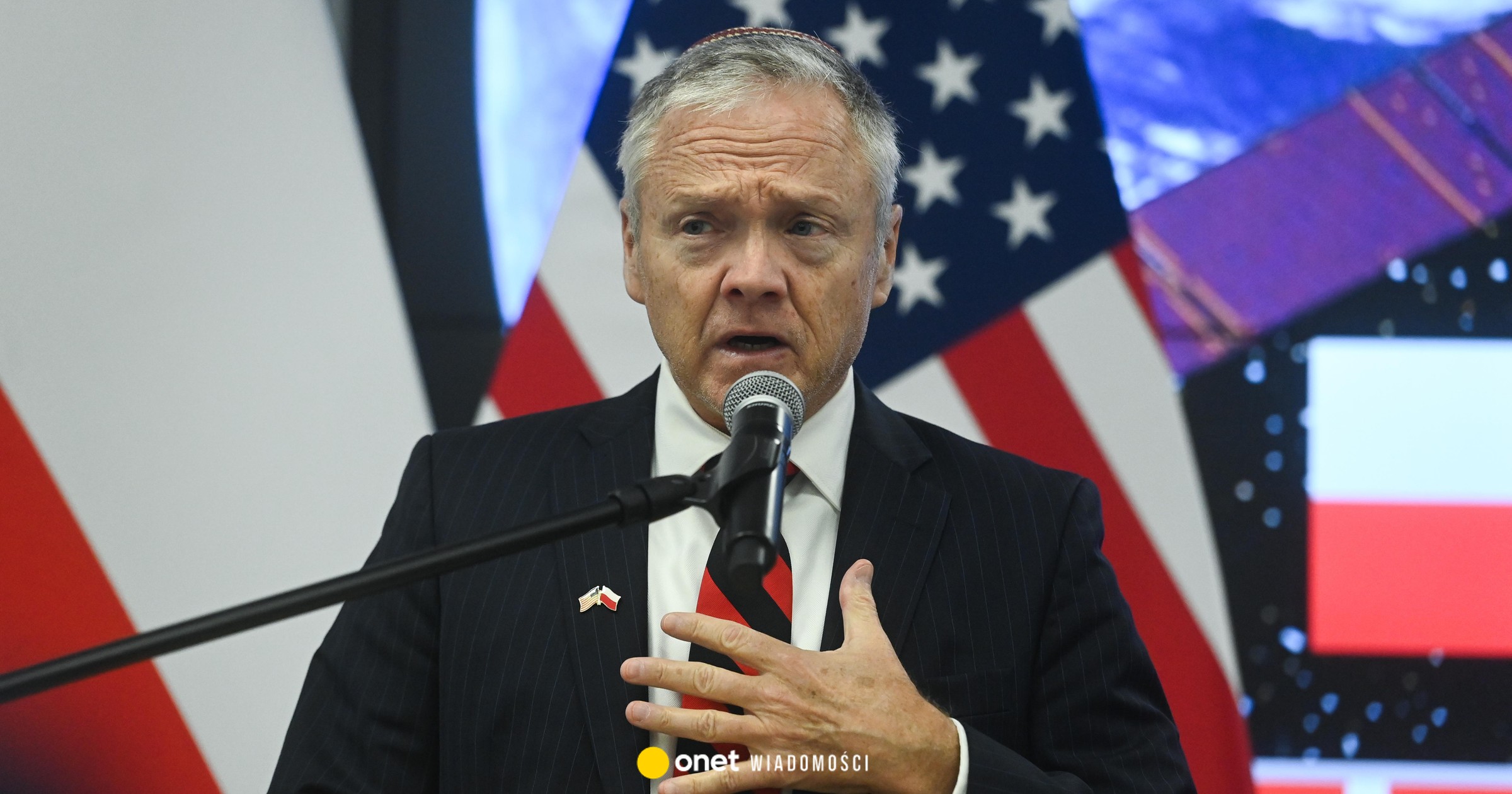
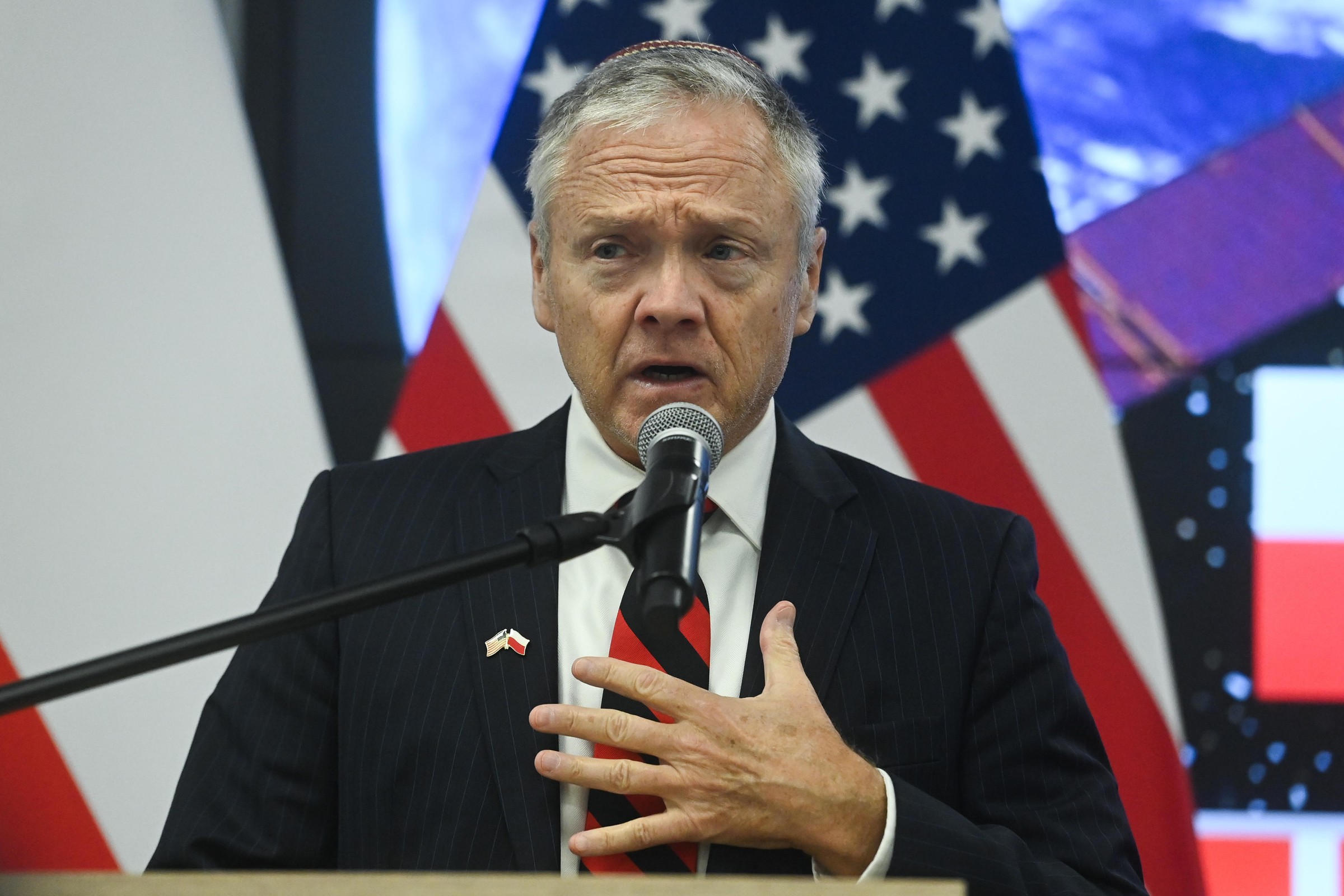
How did Tomas Rose react?
In an entry posted on the night from Wednesday to Thursday, the American ambassador praised the Polish president's decision. “Poland understands that competitiveness equals survival. President Karol Nawrocki deserves great credit for vetoing Poland's adoption of the punitive and anti-American EU Digital Services Act,” wrote Rose on X.
“The DSA Act would weaken Poland in many ways. It would stifle innovation, limit achievement, create huge barriers for new market entrants and make it virtually impossible for Polish companies to scale – it would starve Polish innovation of capital and in its place bring in Brussels bureaucrats, lawyers and auditors, and replace clear rules with regulatory freedom. Poland does not win by becoming a compliance zone for technologies created elsewhere. Poland wins by building, scaling and exporting. A system that punishes scale ensures dependency, not sovereignty,” the American ambassador emphasized.
Read also: