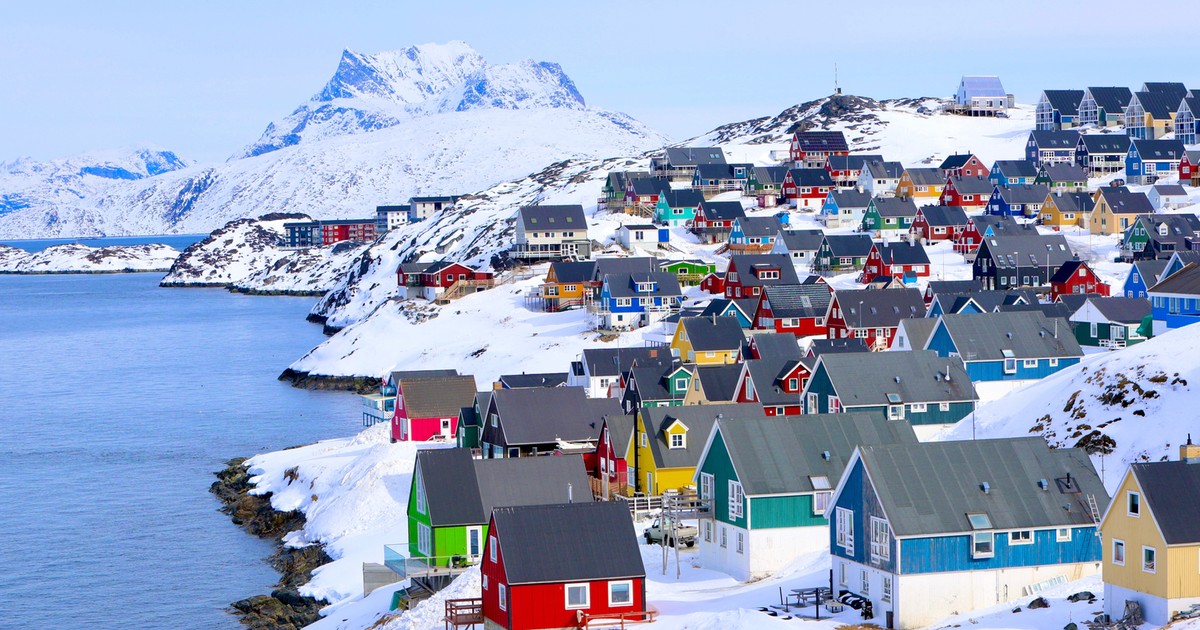
Although the president of the United States may not know it, around 1000 the first Europeans in history, led by Leif Eriksson, reached America from Greenland. The Arctic island, previously discovered by Leif's father, Eric the Red, has a close relationship with Northern Europe that is even older.
The rest of the article is below the video:
90 percent Greenland's exports are fish and seafood
Danish control over Greenland is therefore not the result of modern colonialism, but of much deeper connections. In more recent times, i.e. in the 20th century, the Greenlanders decided to loosen their ties not only with Denmark, but also with the entire old continent. Striving for greater autonomy, independence aspirations, and finally changes in the legal status of the island resulted largely from economic interests. What?
Read also: They took off! The Arctic billionaire race has started in Greenland
It is no exaggeration to say that Greenland's economy relies heavily on fishing. According to data quoted by the European Parliament Research Office, fish and seafood (mainly cod, halibut and shrimp) constitute as much as 90%. island exports. This, in turn, according to official state statistics, was responsible for 23% in 2023. Greenlandic GDP of USD 3.3 billion. The sector is also responsible for approximately 15 percent. employment.
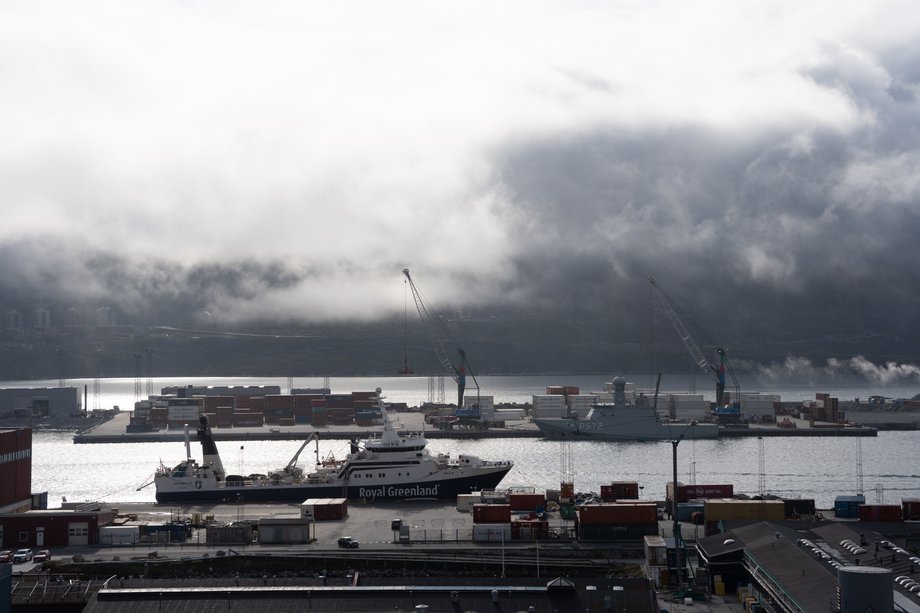
Port in Nuuk, the capital of Greenland
|
Lasse Jesper Pedersen / Shutterstock
The state-owned company Royal Greenland, the largest company on the island and the world leader in the production of cold-water shrimp, and the largest private company, Polar Seafood, play an important role. Hunting is still of some importance and is treated as an element of the Inuit cultural heritage. The EP Analysis Office quotes that 90,000 people are hunted annually in Greenland. seal.
Is Europe a threat to fisheries?
Attachment to the traditional – although modernized with new technologies and fleet – economy had an impact on the attitude of Greenlanders towards European integration. In 1953, the island, previously enjoying the official status of a colony, was incorporated into Denmark, and less than two decades later, in 1972, its inhabitants, as Danish citizens, took part in a referendum on membership in the European Economic Community (EEC). 70 percent Greenlanders voted against joining the precursor of today's EU, which was perceived as a threat to the further free use of the natural resources of the Greenlandic coast.
Read also: The US is considering bribing the inhabitants of Greenland. That's all they can offer
Why? One of the areas of cooperation within the EEC was fishing. The common policy in this area was formally separated in 1983, but the first regulations regulating this area (initially under the Common Agricultural Policy) appeared already in the early 1970s.
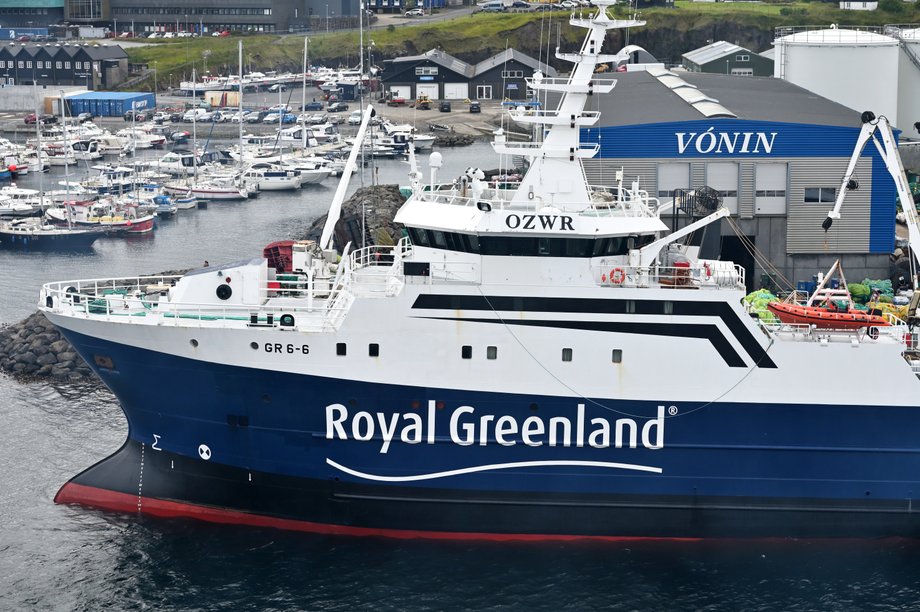
The ship of Royal Greenland, the largest company on the island
|
asstudio / Shutterstock
The Greenlanders wanted to maintain independent control over their fishing grounds and not cede part of the decision-making in this area to distant community bodies. They were therefore afraid of restrictions such as catch limits or the need to open their own waters to fishermen from other countries. However, in the 1972 referendum on Denmark's accession to the EEC, the votes of integration supporters prevailed. A year later, the Nordic kingdom became a member of the Commonwealth. Greenlanders, thousands of kilometers away from the metropolis and endowed with a strong sense of separate identity, became “Europeans” against their will.
“Ask Brussels for consent”
Interestingly, Denmark's other overseas possession, the Faroe Islands, did not have this problem. Since the 1940s, the Faroese have enjoyed the status of an autonomous territory that did not have to take part in the accession referendum and submit to its consequences. Like the Greenlanders, the inhabitants of the Faroe Islands were also in no hurry to integrate – for similar reasons related to access to fish resources. Therefore, the islands do not yet belong to the EU or its predecessor and have never belonged to it.
However, Greenlanders had to wait a while for the opportunity to leave the EEC. A necessary step in this direction was to obtain the status of autonomy, which under the so-called Home rule took place in 1979. Greenlanders gained the opportunity to make their own decisions, including in areas such as education and health care, but in the case of the pillar of their own economy they still had to, as one local politician put it, “ask Brussels for permission to catch your own fish“.
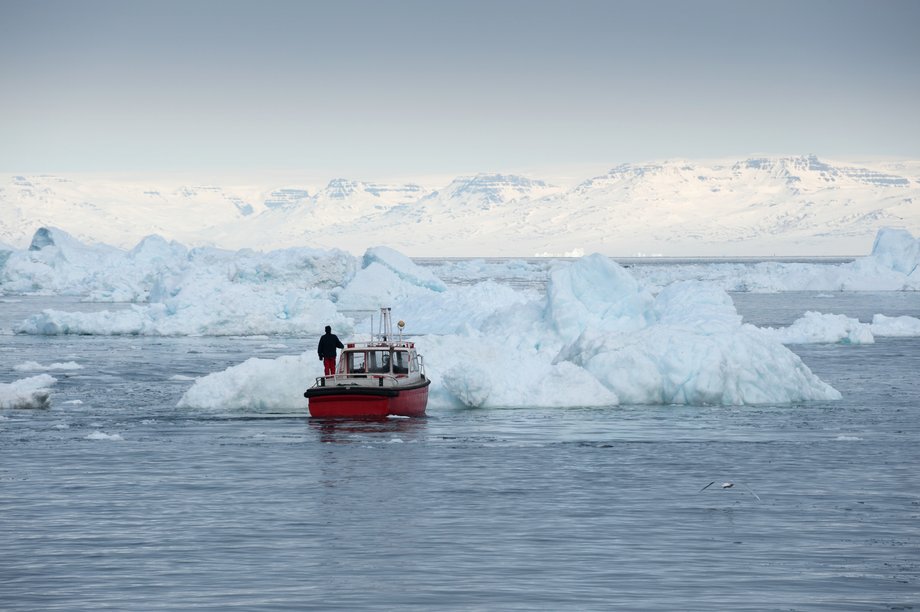
Fishing off the coast of Greenland
|
Yongyut Kumsri / Shutterstock
The “fish issue” therefore became the leitmotif of the debate on withdrawal from the EEC, which is formally possible after gaining autonomy. However, the decision was not obvious – apart from limitations, membership in the Community also brought benefits to Greenland. From 1973 to 1981, a total of 962 million Danish kroner flowed to the island as part of European regional funds and other investments (a sum approximately equivalent to approximately EUR 396 million today).
Access to the common European market was also important. As researcher Tatia Dolidze writes in the article “Withdrawal of Greenland from the European Economic Community. A constructive analysis of the decision-making process at the government and social level”, supporters of exit were counting on an arrangement that would preserve the advantages of membership while regaining sovereignty in a priority area.
First exit case
The referendum on withdrawal took place on February 23, 1982, with a turnout of almost 75%. Of the island's population of several dozen thousand, 52 percent supported leaving the EEC. voters. The decision came into force three years later – On February 1, 1985, Greenland – still a dependent territory of Denmark – withdrew from the European Economic Community.
As Derek Brown, a journalist from The Guardian, noted at the time, “green-exit” was the first case of leaving European structures since the adoption of the Treaty establishing the European Economic Community in Rome in 1957. The next, more significant exit, chosen by Brown's homeland, had to wait until 2020, but the result of the Greenlandic referendum itself caused concern in Brussels about creating a precedent and a possible incentive effect for Eurosceptics in other countries and regions.
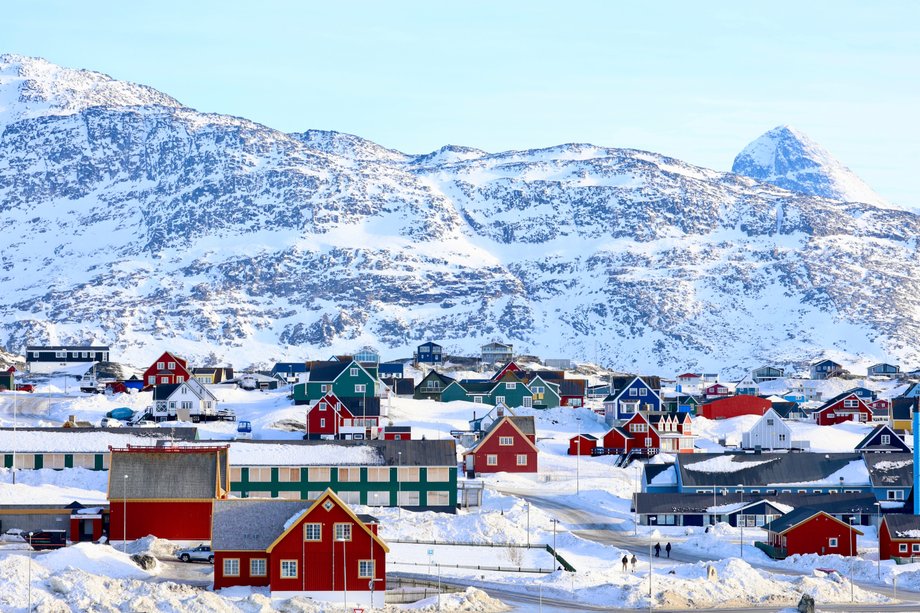
Nuuk
|
Chris Christophersen / Shutterstock
Meanwhile, the Greenlanders came out quite well on the whole thing. With the status of the so-called Overseas country and territory, the island today has an association agreement with the EU, and its exports enjoy privileged access to the EU market. Greenland makes its fishing grounds available to European partners (selling licenses for a fee was one of the ideas to provide the island with income after leaving the EEC), in return receiving financial support from Brussels.
Read also: Donald Trump wants to buy Greenland. This isn't the first time the US has done something similar
Millions of euros flow to Greenland
According to data from the EP Analysis Office, Greenland is the largest beneficiary of all overseas territories associated with the Union, and in 2021-2027 it will receive a total of 225 million euros; almost as much as to 12 other territories (including French Polynesia and New Caledonia). In November 2023, the EU and Greenland additionally concluded a strategic partnership on access to critical raw materials, and cooperation also covers investments in green technologies.
Budget subsidies from the government in Copenhagen are also invaluable support for the island, which, according to data from the Statista database, in 2023 amounted to a total amount 9.6 billion Danish kroner – 42 percent Greenlandic GDP. The “green island”, towards which the eyes of the whole world are turning today, is in quite a bad situation.
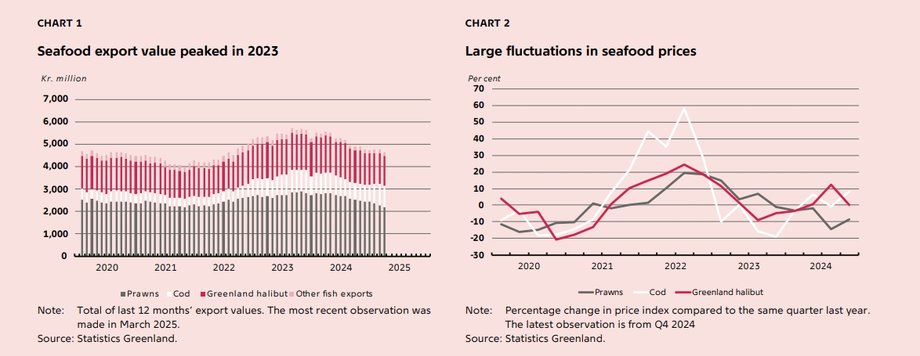
Export level and prices of seafood from Greenland
|
Danmarks Nationalbank / Danmarks Nationalbank
However, the risk of breaking the taboo of non-use of force between allies – in the event of annexation by the US – would probably be lower if Greenland's formal relations with Europe were stronger. In recent days, there have been more and more voices about the need for the island to join the EU quickly, but it is not known whether the tenant of the White House, eager for access to raw materials and trade routes, will be quicker.