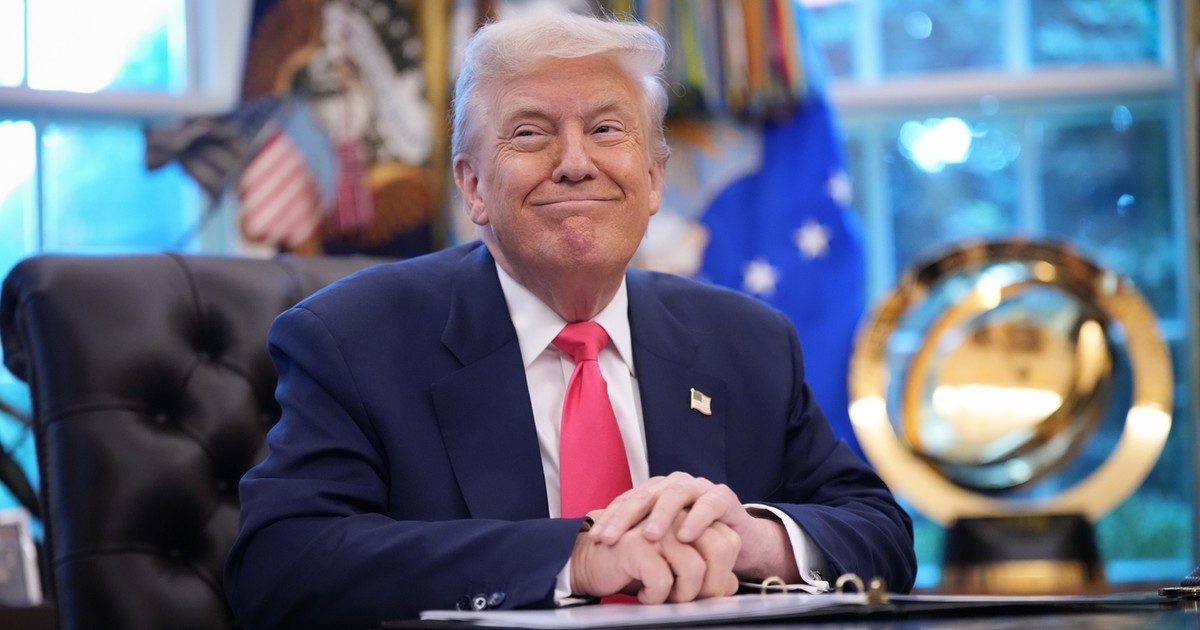
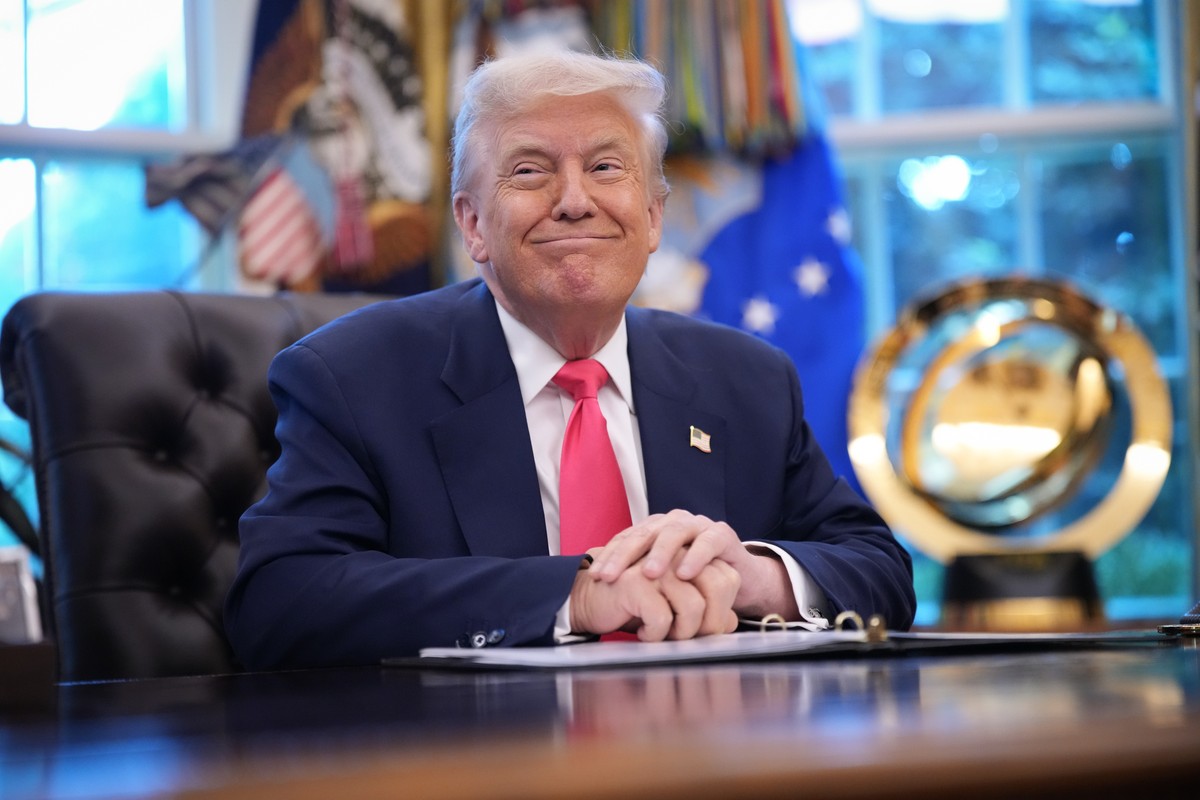
Donald Trump called for capping credit card interest rates on Friday. However, the US president did not provide any details. For this reason, Wall Street analysts interviewed by Reuters remain skeptical.
The rest of the article below the video:
America's credit card problem
Currently, according to data from Bankrate, a company offering financial services to consumers, the average interest rate on credit card debt in the United States is 19.65%.
However, the rate can quickly increase, especially if borrowers only make minimum payments rather than paying off the balance in full. Borrowers known as “subprime”, i.e. people with lower income and poor credit history, are particularly vulnerable to problems. High interest rates, fees and minimum payments make it difficult for them to get out of debt.
Data from the Federal Reserve show that U.S. credit card balances rose to $1.23 trillion. at the end of the third quarter of 2023., which translates into the amount of approx. PLN 3.53 thousand. hole. per capita.
Implementation of Donald Trump's proposal to limit interest rates could bring short-term relief to credit card users. However, analysts warn that the change may also have negative effects.
- Read also: “There is no need to catch him.” Trump surprises with words about Putin and the war in Ukraine
How will capping interest rates affect the U.S. economy?
According to specialists from Jefferies, introducing a limit on credit card interest rates could reduce consumer spending, a key driver of the U.S. economy.
“Consumers will be limited by credit card companies, eh will lead to weakened retail sales and consumption throughout the economy, which will negatively impact GDP” – experts point out.
At the same time, banks may decide to limit lending in order to protect your margins. High interest rates on credit cards allow banks to compensate for losses resulting from the insolvency of some customers. Introducing a limit could make it more difficult to profitably lend money to higher-risk consumers.
- Read also: Attack on Iran? Donald Trump is expected to consider this
Truist Securities analysts emphasize, however, that a top-down limit on credit card interest rates would particularly hit customers from the “subprime” group. “We estimate that the introduction of this law would end the sector's profitability,” they wrote in their analysis.
Banks and consumers facing changes
Banks and lenders would therefore have to face restrictions on one of the most profitable forms of lending. Interest rates on credit cards can be as high as 30 percent, making them much more expensive than other types of loans such as mortgages, which average interest rates of around 6 percent.
Barclays analysts predict that introducing an interest rate cap would force banks to tightening the rules for granting loans, especially for higher-risk customers. This means that people with the lowest creditworthiness may lose access to credit cards.
This, in turn, could lead to looking for other sources of financing. This would include “buy now, pay later” services, pawnshops and even loan sharks. JP Morgan analysts warn that such solutions may be even more expensive and risky for consumers.
“If the interest rate limit does not cover products other than credit cards, it will not solve the problem and may encourage consumers to take out even more expensive loans,” experts emphasize.
Buy now, pay later services have become more popular in recent years, particularly among younger consumers, and could become more attractive if banks cut back on “ordinary” lending.
- He also reads: Donald Trump wants a ban on large investors. It's about one market