PHOTO REPORT. What does the fortress-church in Transylvania look like that conquered King Charles four years before Viscri

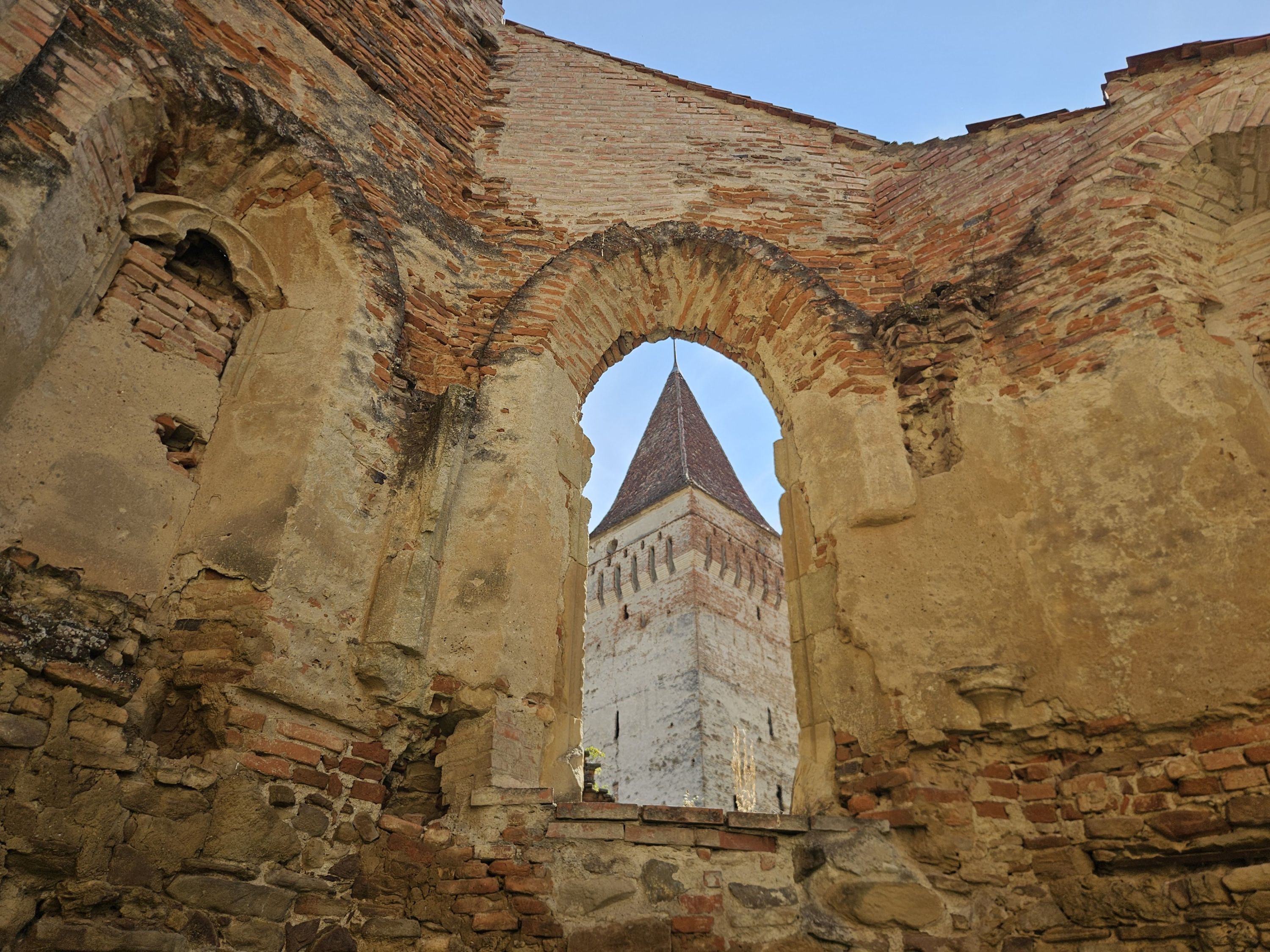
Viscri is the village that became famous thanks to King Charles III, but it was not there that he first discovered the charm of Transylvania. Four years before arriving in Viscri, the Prince of Wales visited Moșna, a village near Mediaș with a spectacular fortified church and towers you can climb.
Moșna – the fortified church where you can explore without crowds
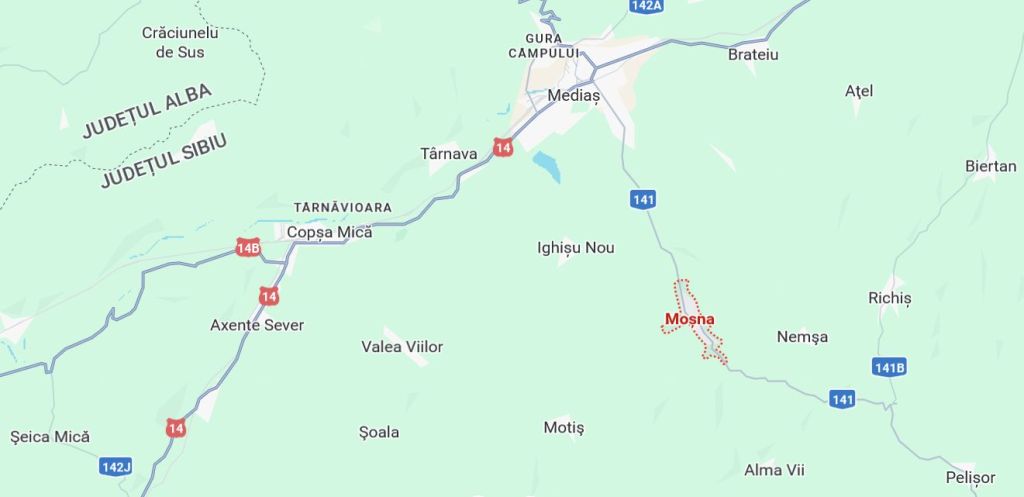
Moșna is located 10 km from Mediaș and 46 km from Sighisoara, in an area with beautiful hills and vineyards. The commune in the Târnavelor plateau has 3,300 inhabitants, 80% of whom are Romanian, but at the census of 4 years ago, the data showed that 51 Saxons also live there, a large number compared to other communes in the Sighisoara-Mediaș area, where dozens of villages no longer have even a Saxon among their inhabitants. In Hungarian the village is called Szasz-Muszna (Saxon Old Town).
The first Romanians settled in the southern part of the commune only after 1600, and in 1732 they represented less than 30% of the inhabitants.
On a Saturday, at the magnificent fortress-church in Moșna, I met only a few visitors, among them two older Poles who also had a bulky camera to film. I had just come from the most famous Saxon fortified church in Transylvania, Biertan, where there were over 100 people visiting. Although only 20 minutes away, Moșna seemed from a completely different world to Biertan.
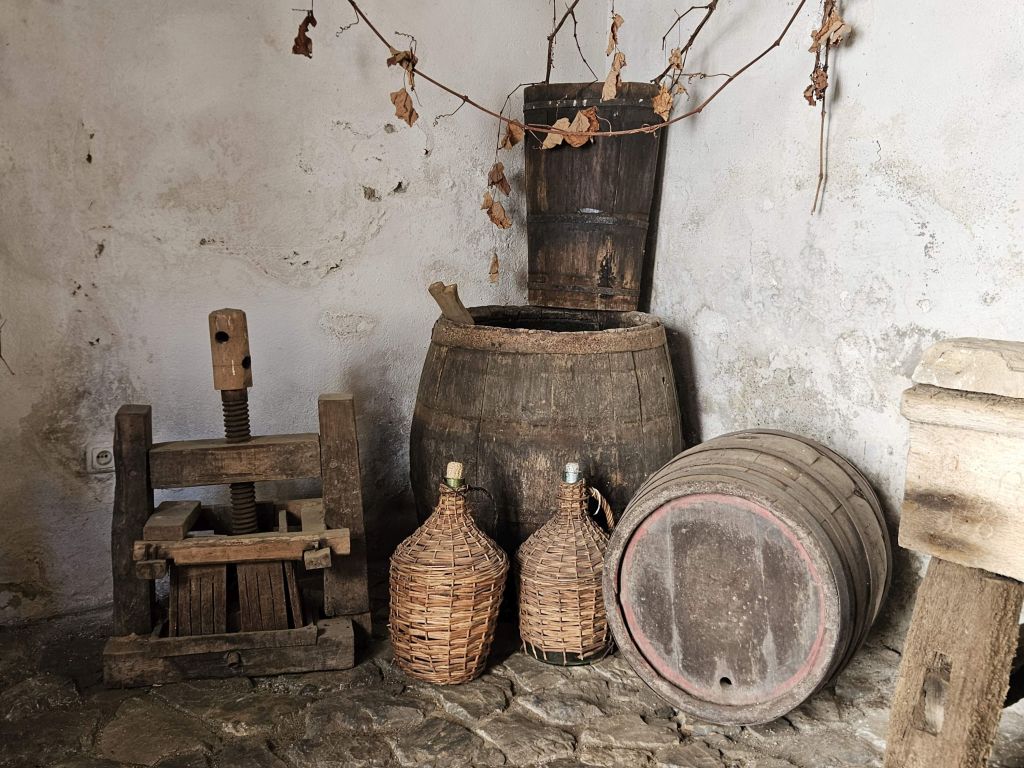
On Google Maps, Biertan has 30 times more reviews than Moșna, and the big advantage of Moșna is that you don't experience the crowds. Here you can climb the towers, you can smell the old wood and various agricultural tools are on display, as well as objects that were found in people's homes in the past.
Although far fewer tourists arrive at Moșna compared to the more famous towns of Biertan, Prejmer, Viscri or Harman, the lady at the entrance told us that she also met tourists from as far away as Australia and several from the USA and Canada.
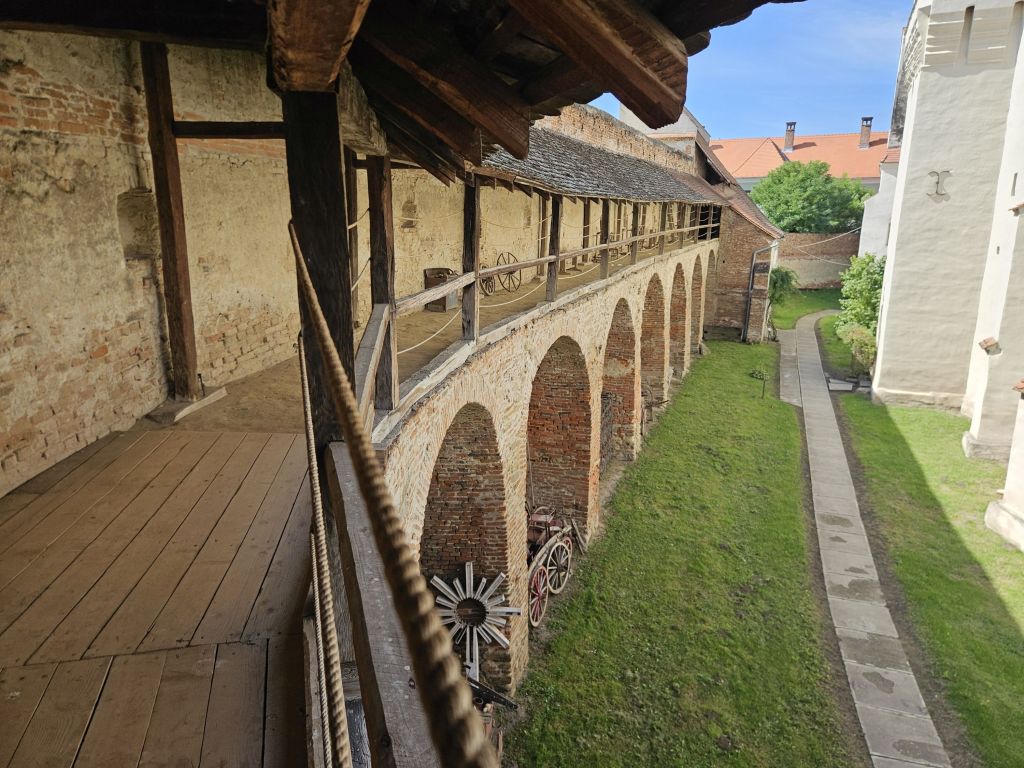
The entrance ticket is 10 lei, a modest amount for a place where you can easily stay for an hour and a half, explore, climb the towers and imagine what life was like for those who lived there a few hundred years ago.
From the highest tower, after catching your breath, you can admire the streets of the village that the Saxons called Meschen, you can see the lined houses with colorful facades, the imposing gates and the sloping roofs which, in the biggest houses, even have six rectangular windows which, in turn, have a small roof.
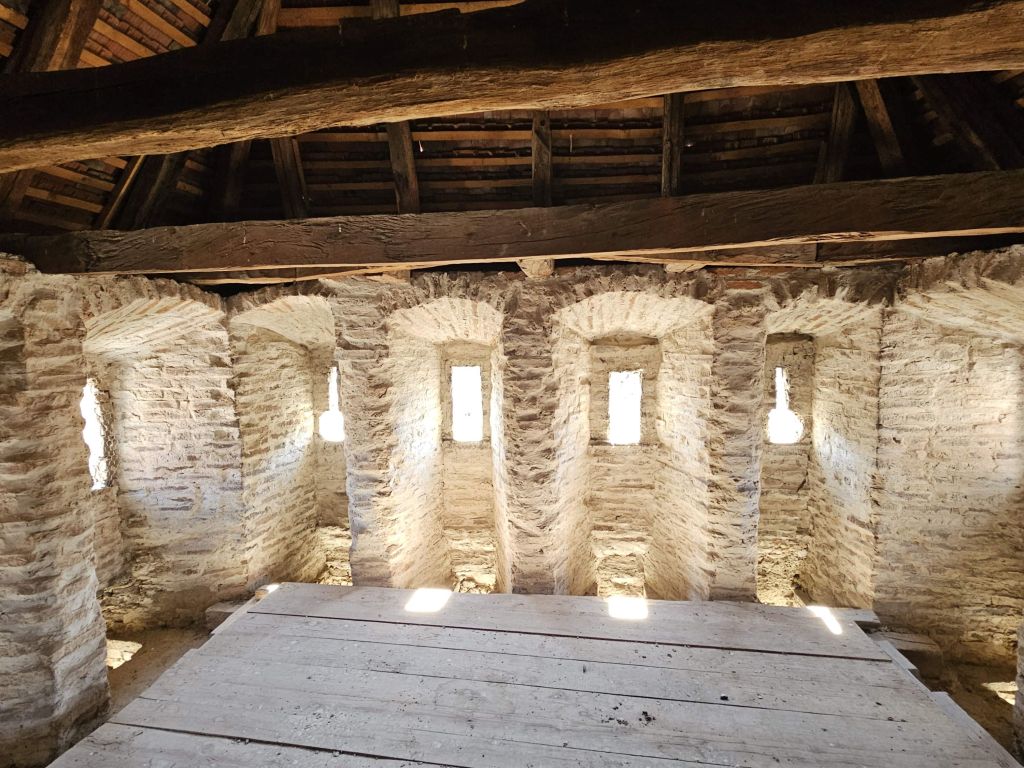
The climb is an experience in itself: you “attack” wooden steps that sometimes creak, you have to “hide” your head and bend a lot so as not to hit the next level, and you need patience to descend other possible visitors who have already made their way to the highest point.
“Magnificent fortified church that I will never forget”
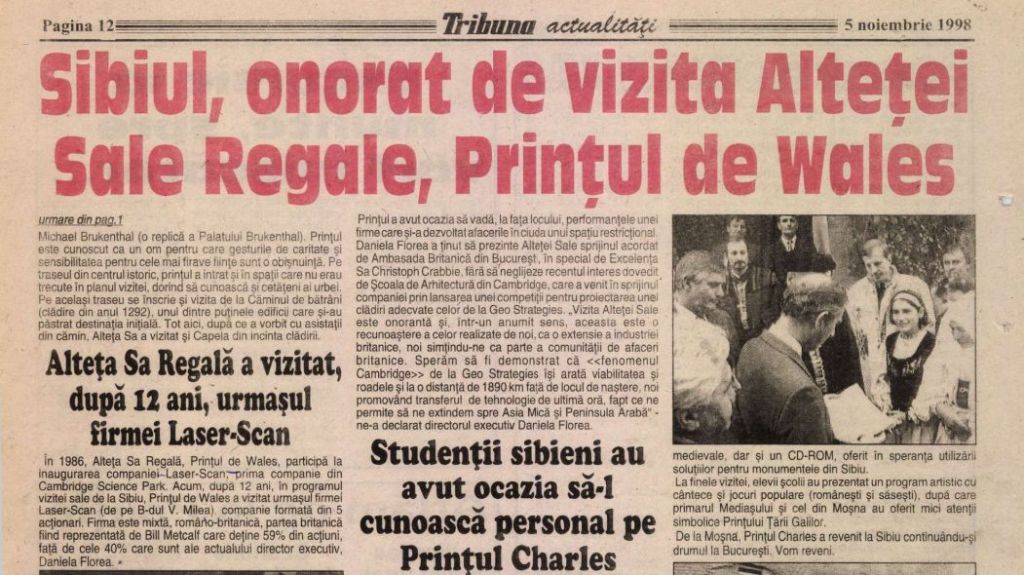
In 1998, King Charles III (then Prince of Wales) visited Transylvania and arrived in Sibiu, at the fortified church in Moșna, but not at the place he made famous: the village of Viscri. His Royal Highness would arrive there for the first time in 2002, and in 2006 he bought the first houses in Viscri, through his foundation (“Mihai Eminescu Trust”), with the desire to restore them and promote the preservation of the Saxon heritage.
At the entrance to the church in Moșna, a small display case displays a newspaper in German in which you can see an article describing the prince's visit 27 years ago to the restoration site, where he talked with the workers and craftsmen.
There is also a plaque commemorating the visit on a wall of the fortress, and a message from Prince Charles is displayed at the entrance talking about the “magnificent fortified church that I will never forget”.
The newspaper Tribuna from Sibiu described the entire visit to the county on one page, in the issue of November 5, 1998, and an article entitled “Moșna – a wonderful place” described the visit of the Prince of Wales to the citadel and then to the school.
The medieval ambitions of Moșna and the impressive church-hall
Moșna appears for the first time in documents almost 750 years ago, under the name “villa Musyna”, and the first Saxons arrived three decades earlier, around 1250. The small settlement had big ambitions six centuries ago, as it competed with Mediaș and Biertan for city status.
Moșna lost the competition in the end, because Biertan ended up being the seat of the Saxon episcopate for three centuries, while Mediaș became a city in the 15th century, and around 1500 it had six guilds.
Around 1385, the Mosnen built a Gothic basilica of which some traces of the wall and foundation remain, but the late Gothic church that can be seen today was built over 13 years, being ready around 1498.
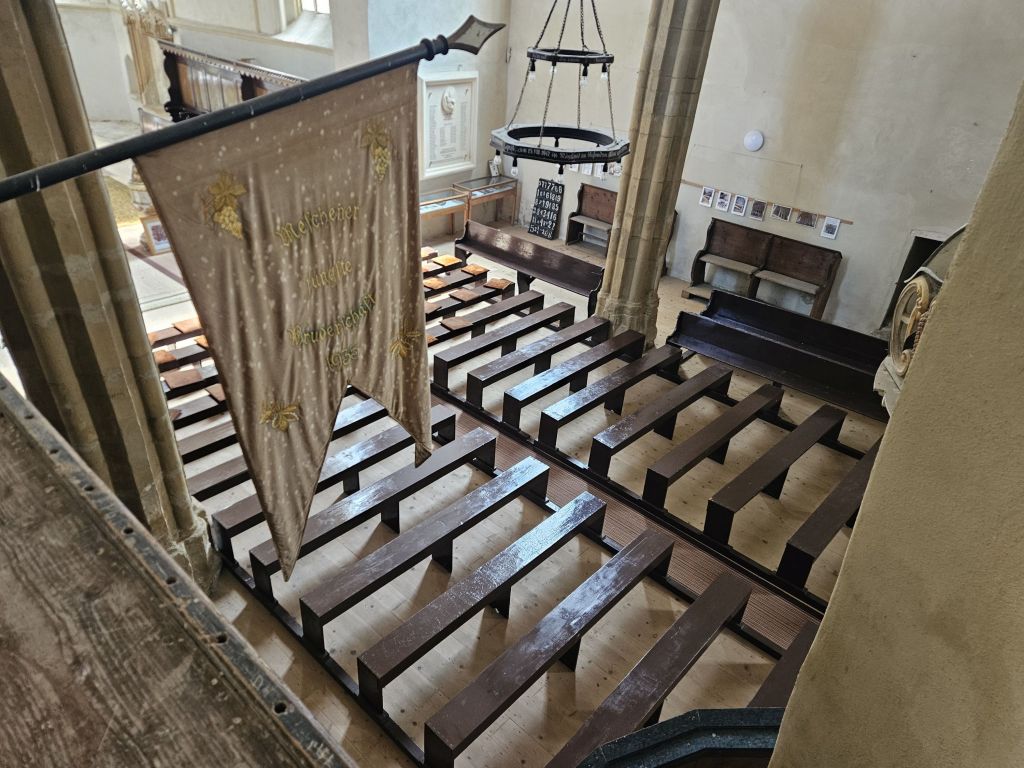
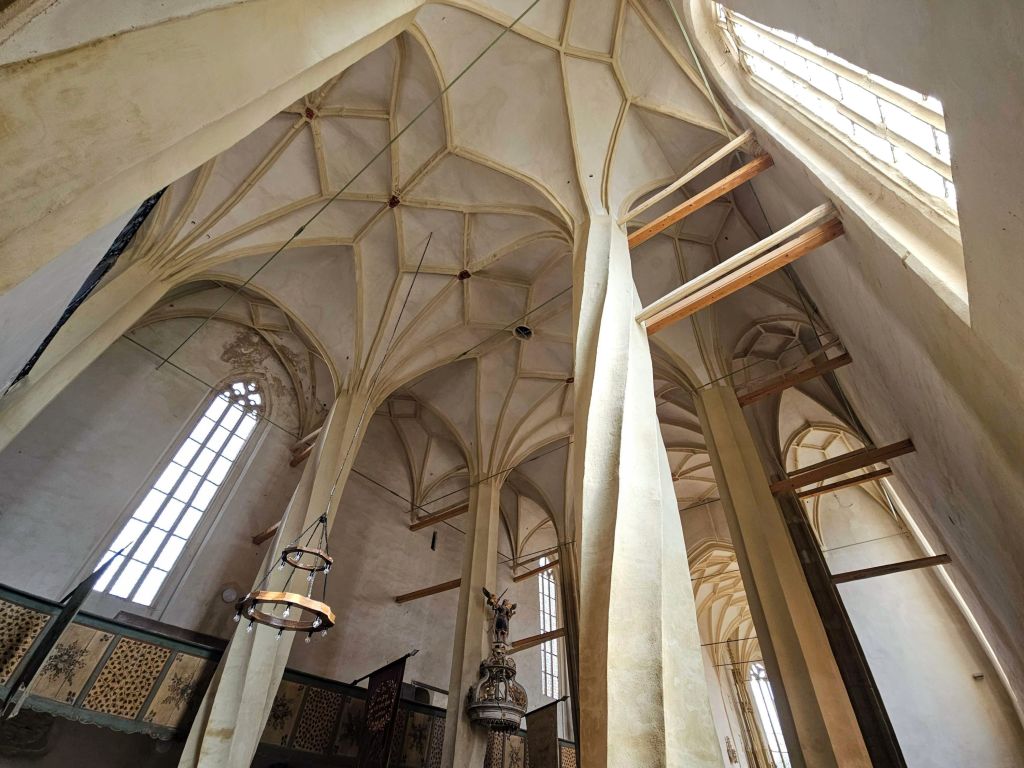
The church-hall is one of the largest in the area and you are amazed by the four pairs of columns that support the vaults. Not only are they slightly angled outwards, but one pair is stone and the rest are brick. Each pillar has a different configuration, and the spiral ones are especially beautiful.
After seeing the church and its original columns, it is worth remembering the name of the master stonemason Andreas Lapicida, the Sibiu who more than half a millennium ago was “project manager” on the construction site.
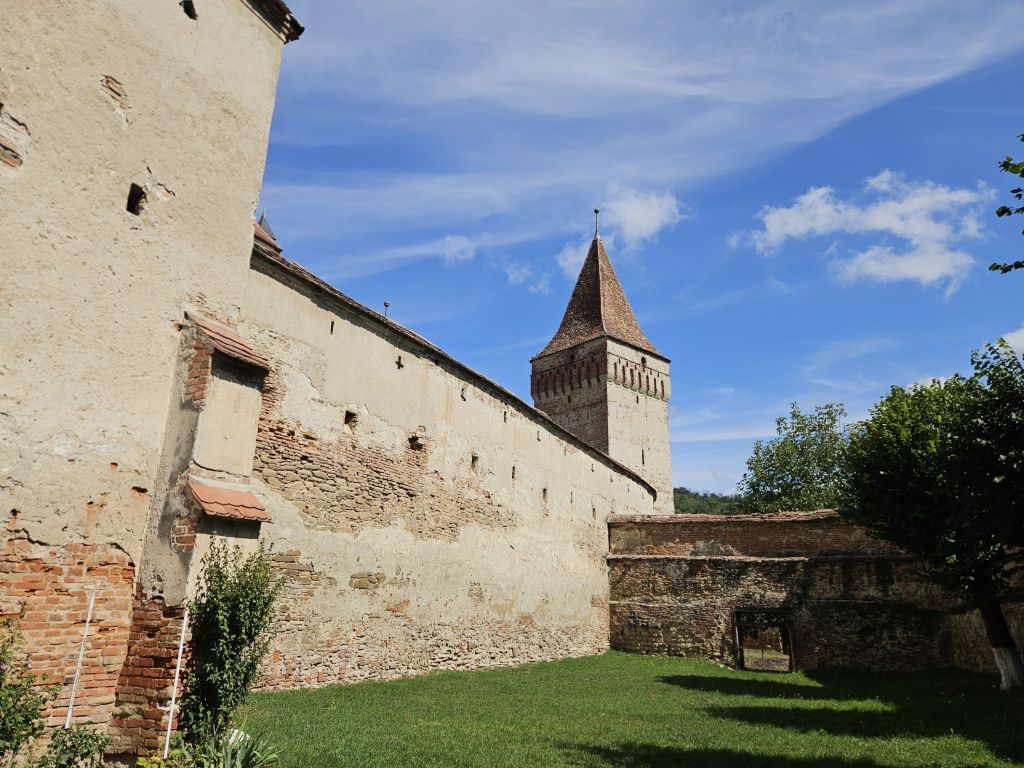
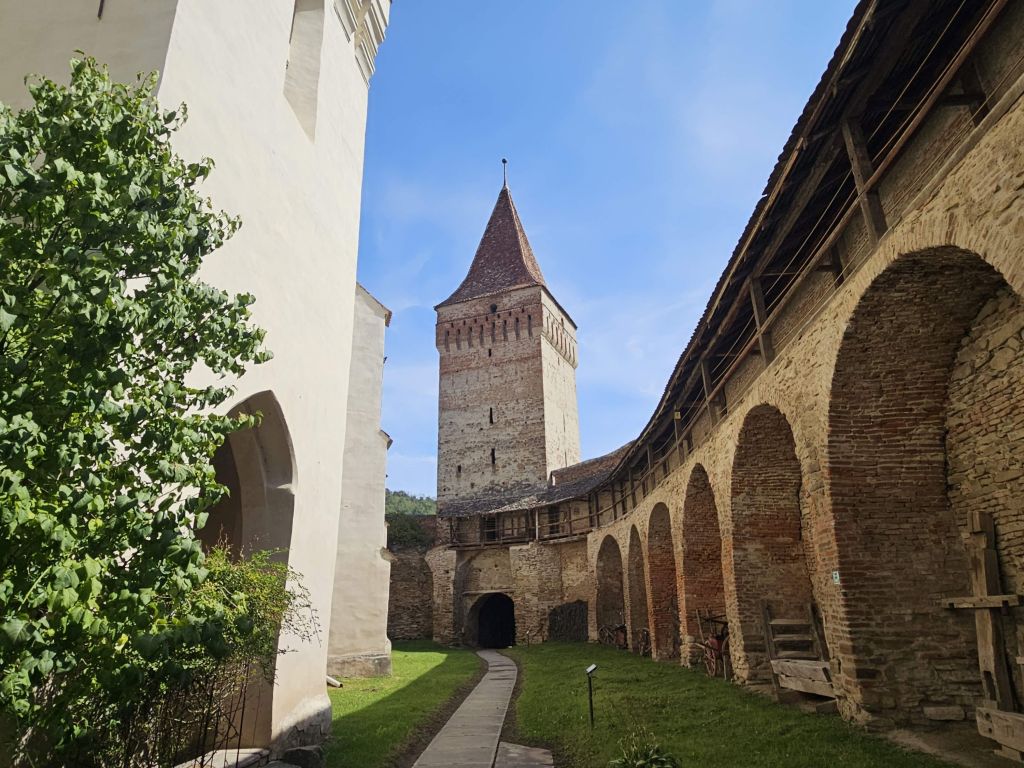
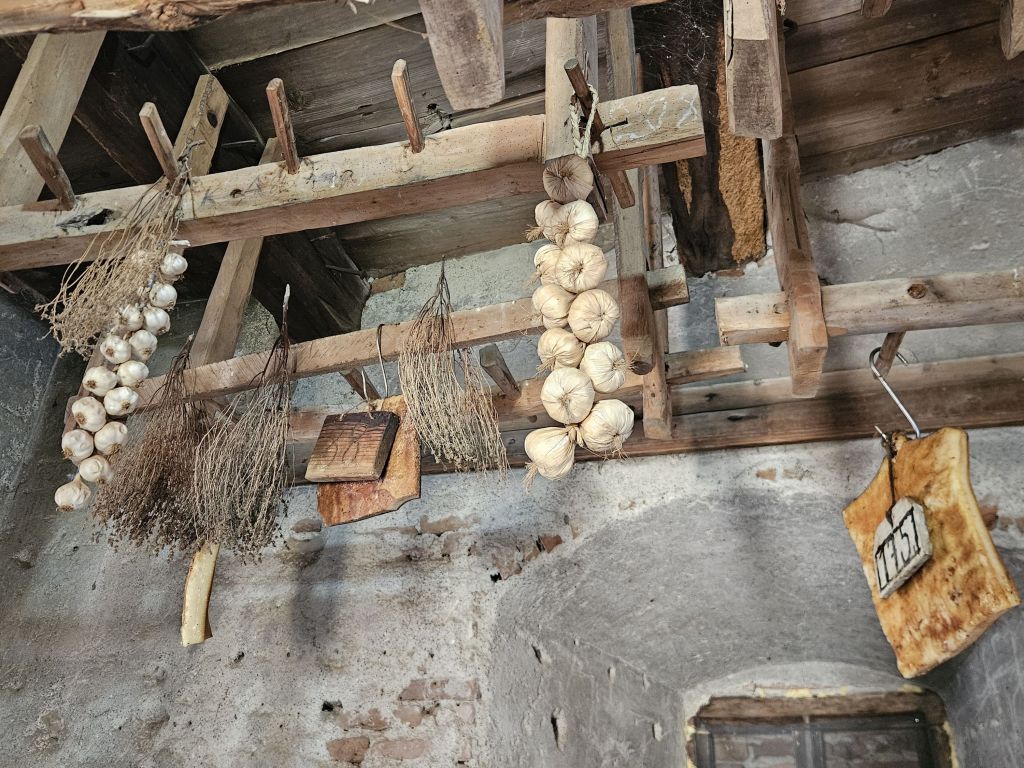
After 1500, the fortification of the church began, with defense walls, bastions, guard road and towers, and in some towers you can climb, and it is not easy at all, because of the very steep wooden stairs. On the highest floor you get to sit under a gigantic bell, and in another tower you can see bacon stored, as the Saxons did in the Middle Ages.
Interestingly, the Mosnens decided in 1720 to sell the pre-reformed altar (at Cincu), and 150 years later a new organ was bought, so the old one was also sold.