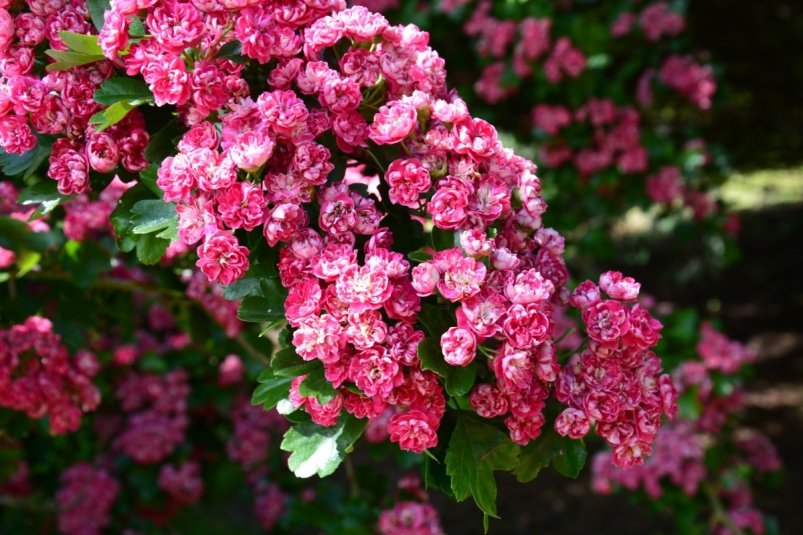
The lush bloom of lilacs begins not in spring, but in winter. While the bush sleeps under the snow, you can give it a secret reserve of strength. This supply is hidden in a regular pharmacy package and is applied only once on a quiet, warm day in the middle of winter.
All you need is magnesium sulfate, also called magnesia. This is not chemicals for the garden, but ordinary white salt from the pharmacy department. It costs pennies and is sold without a prescription. This is not food for leaves, but a special substance specifically for flowers. It helps the plant gather all its strength and direct it into future fragrant clusters, making them larger and brighter.
The most important thing is to choose the right day and not harm the roots
We are waiting for the thaw. We need a December day when the temperature during the day rises above zero, the snow around the bush melts slightly, and the ground becomes soft.
We are preparing the place. Carefully, so as not to touch the roots, rake old foliage or mulch from the trunk to a distance equal to the width of the crown.
We bring in the remedy. Take exactly 1 tablespoon of dry magnesium sulfate powder and scatter it evenly over the prepared soil.
Cover with a blanket. Sprinkle this place with humus, compost, or simply return the old foliage to its place. If the day is dry, you can lightly water the fertilizer with one bucket of water so that it begins to dissolve.
A sleeping plant is like a resting person. If you give him a healthy supply of vitamins in advance, by spring he will wake up full of energy and ready for great achievements. Magnesium added in December slowly dissolves and goes to the roots. When the sap begins to flow in the spring, the lilac already has a ready reserve for a strong start. All her strength will be directed not at survival, but at lush flowering.
What to do if you can’t find magnesium sulfate in the pharmacy?
You can use wood ash instead. But you will need a lot of ash – a whole liter jar for the bush. The effect will be similar, but weaker.
Will this method work for other flowering bushes?
Yes, this same method works great for hydrangea, garden jasmine and roses. The dosage is the same – one tablespoon per plant.
What if it’s freezing all December and there’s no thaw?
Then the feeding is simply transferred to the very beginning of spring, as soon as the snow melts. The principle of operation remains the same.