The owners of small gas stations in Bulgaria warn that the one-month period, during which the transition from the leva to the euro would be made, is too short and could cause technical difficulties and delays in the provision of services.
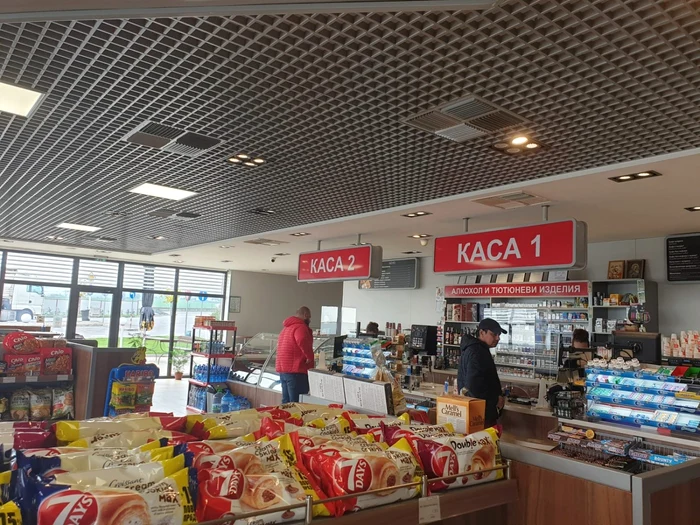
Bulgarians have no rest for payments in euros. Archive photo
The start of 2026 has already been marked by tensions both between traders and between traders and customers as Bulgarian firms adapt to the new currency, raising questions about possible rounding of sums and the possibility of fuel price increases.
In the city of Ruse, fuel prices currently remain below 1.15 euros per liter. Despite the introduction of the euro, most customers continue to pay in leva, only a small part using the new currency. Vensislav Pengezov, the owner of a local gas station, explained that the transition to the single currency created practical challenges. The fiscal systems approved by the National Revenue Agency and the Bulgarian Institute of Metrology allow only two decimals after the point, which complicates transactions in euros. Loyalty programs and default payment systems are not yet adapted to the euro, which slows down the provision of services and causes delays at terminals.
Pengezov noted that when the same tax system is used for the euro and the leva, even minor fractions create complications for both staff and customers. The adjustment period has tested patience at the pumps, as both employees and customers must operate in a dual currency regime. Gas station owners ask for understanding and patience from the public as companies continue to adapt to the euro and ensure smooth and accurate transactions during this transition period.
At the end of December, Bulgarians stood in huge queues at banks to change their national currency leva into euros, trying to be ready for January 1, when they officially switch to the euro. But it seems that this was not enough: people found that, even though they wanted to pay in euros, they were turned away by merchants who said they would not give them change, preferring the leva instead of the bloc's currency.
On January 1, Bulgaria became the 21st country in the European Union to adopt the single currency. The government of this Balkan nation of 6.4 million inhabitants presents this measure as a decisive step to strengthen the economy and fight corruption.