How will Romanian trains run in 2026 / How long will the train journey take between various cities in the country. Bucharest-Oradea, in 14 hours

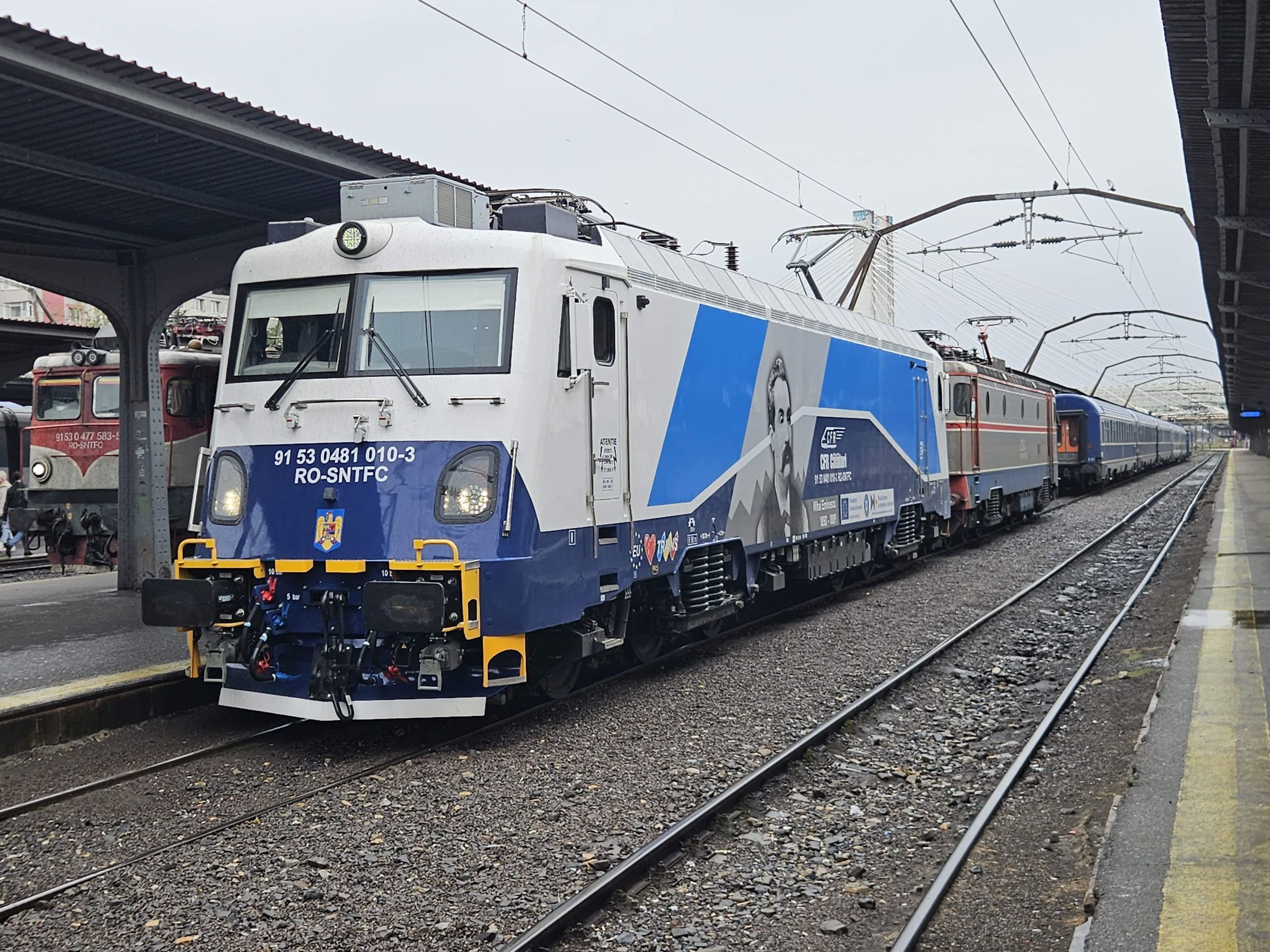
In 2026, an Intercity Bucharest-Cluj train will cover the distance in approximately nine hours, and from Iași to Timișoara the journey will take 16-17 hours. The new Train Ride came into effect and came with a 10% increase in ticket prices.
Compared to 3-4 years ago, travel times between Arad and Deva have decreased, where several construction sites started a decade ago have been completed. The fastest trains take 2 hours on 149 km between the two cities.
The results of the modernizations in Transylvania are beginning to be seen: from Sighișoara to Arad, the Dacia train covers 4 hours over 327 km, with an average of 80 km/h.
The Bucharest – Constanța and Câmpina – Bucharest sections also remain fast, with average speeds of 100 km/h for the fastest trains. To Constanța, some trains reach 160 km/h.
Information about the trains and the route for the new train route can be found on Infofer.ro.
Lower times at the border with Hungary
An important change is that the stationary times of trains to (and from) Hungary decrease, as a result of Romania's entry into the Schengen area. If the cumulative stay was 75-80 minutes at the Curtici and Lokoshaza border stations, the times will drop to less than half an hour.
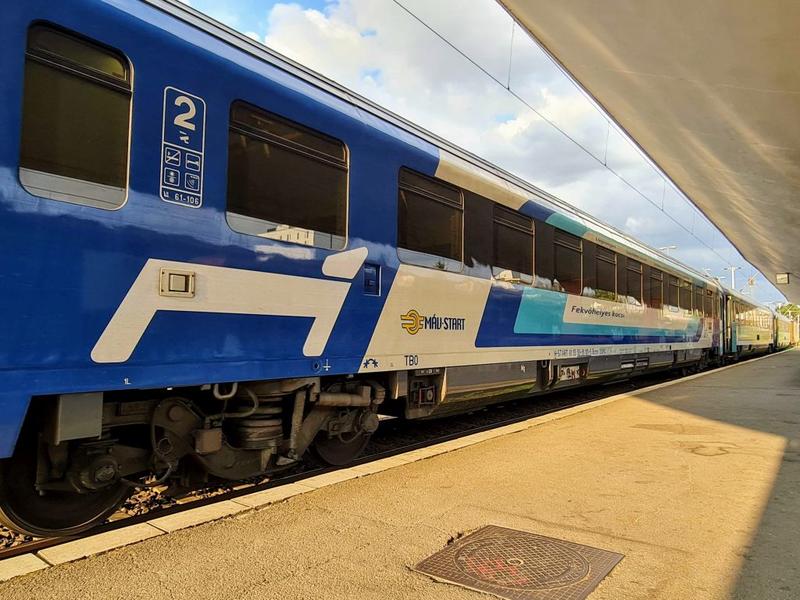
From Romania there are direct international trains to Budapest, Vienna, Chisinau, Ruse and Kiev, and during the summer Sofia, Varna and Istanbul are added. Most connections are with Hungary.
In 2026, new trains of some private companies will run to Moldova, so there will be direct trains Bucharest – Adjud from TFC and Astra TC. A new operator, Ferotrafic, should introduce Intercity trains to Moldova, but it is not yet known when they will run.
An important change is also that one of the large private companies, Regio Călători, introduces a seat reservation fee on all trains, which raises the price of tickets by 5.5 lei.
Routes where no trains run in 2026
Even in 2026, there are no direct trains between Cluj and Oradea, where there are large electrification and modernization works started two years ago. The railway companies have set up train replacement buses, for which tickets can be bought through the CFR Călători and TFC apps. Depending on the number of stops, the buses take between 3 hours and 50 minutes and 4 hours and 25 minutes.
The trains have stopped running since the beginning of 2024, and at that time, CFR Infrastructura said that the trains would not return for at least two years. However, problems appeared on the construction sites, so there are long delays, as the Pro Infrastructure Association, which monitors the works, wrote.
CFR Infrastructura data show a physical stage of the works between 15% and 52% for the four sections, and the completion date for two sections is August 2026, and for two others, May 2027.
There are no trains running between Constanța and Mangalia either, but there are replacement buses that take 80 minutes.
Routes with very low speeds
The average speed of passenger trains in Romania is 45 km/h, and for IR long-distance trains it is close to 55 km/h.
There are some areas with very slow speeds due to restrictions, limitations and construction sites. On Bucharest – Craiova, via Videle, the 209 km are covered in 3 hours and 50 minutes, while other trains take 4 and a half hours.
Between Caransebeș and Timișoara, the 98 km are covered in the best case in 2 hours and 25 minutes, and the trains that stop at all stations take over 3 hours and 10 minutes.
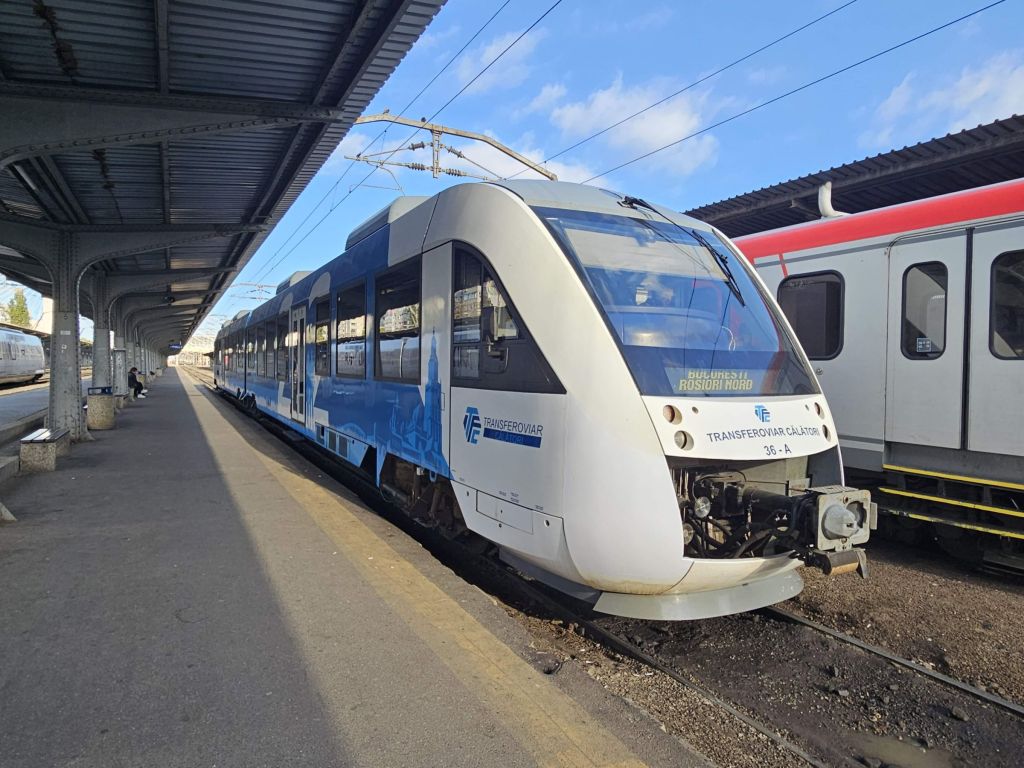
Between Timișoara and Arad, the fastest trains take 89 minutes on the 57 km, and the slowest ones, which stop at all stations and wait for other trains, cover the distance in 2 hours and 20 minutes.
Between Brașov and Sighisoara the construction sites started over five years ago and will continue for a long time, so the average speed is below 35 km/h even for InterCity trains.
In a response from CFR SA to HotNews.ro, the company said that on the two subsections of the construction sites between Brașov and Sighisoara, the physical stage of the works was 52% and 58%, respectively. For Mersul Trenurilor 2025-26, the company said that on the Stupini – Bod section, the maximum speed will be increased from 50 km/h to 100 km/h. “Overall, on the Brașov – Sighisoara distance, for the 2025-2026 travel plan, travel times have not undergone significant changes, the differences being 5-10 minutes more, depending on the stopping times for intersections,” said the infrastructure company.
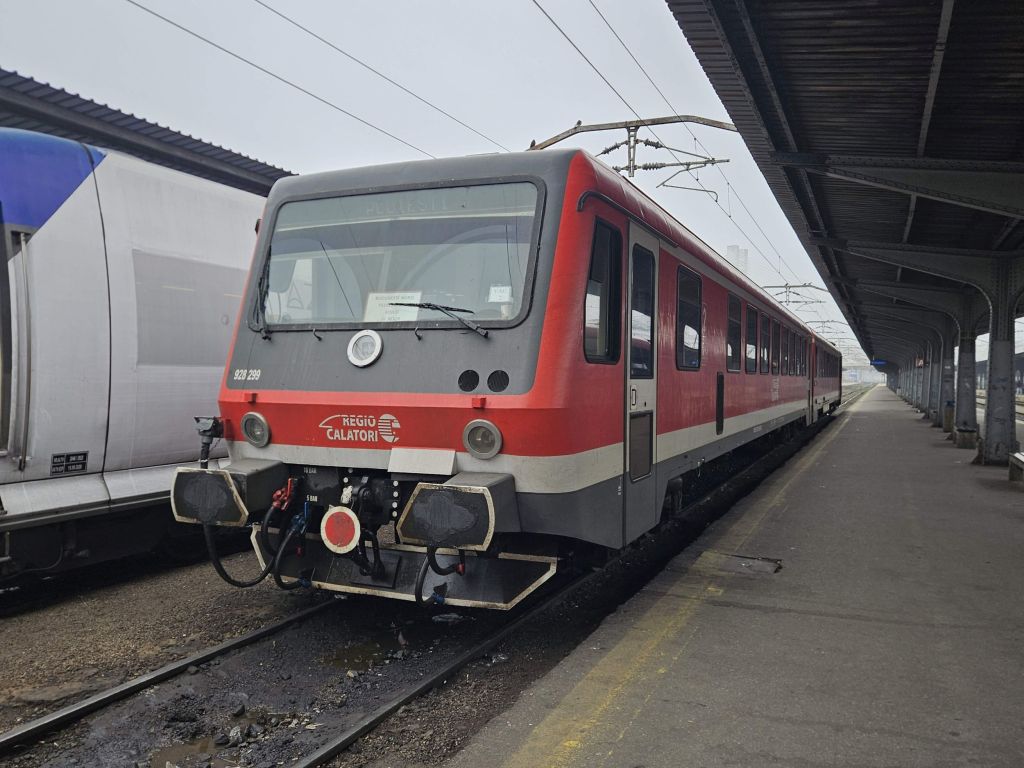
The train that goes without stopping for the most kilometers is an IC that does not stop between Brașov and Teiuș, for 229 km, but it takes 4 hours and 36 minutes on the way there and 11 minutes less on the way back.
How long will it take to travel by train between various cities in the country
Bucharest – Brasov
If we also take into account the private operators, there is on average a direct train between the two cities in less than an hour. IC trains are the fastest, taking under 2 hours and 14 minutes/journey, while Regio trains that stop everywhere take more than three and a half hours, with around 30 stops. Several Alstom Coradia trains and several dozens of wagons modernized through PNRR funds will enter circulation, which will be put mainly on Intercity trains. Most trains are CFR Călători, but a significant number of trains will be from four private operators.
Bucharest – Constanța
The fastest trains take 2 hours and one minute, and trains that stop at four to five stations will take 2 hours and 20 minutes. The number of trains doubles between June and September, when private companies also come and when CFR Călători introduces the Solar Trains.
Bucharest – Henri Coandă Airport
The succession interval remains 40 minutes, the trains take 21 minutes to go, and 25 minutes to return. Most trains are CFR Călători and the rest TFC.
Timisoara – Iasi
Depending on the route, the journey takes between 16 hours and 17.5 hours. Speeds have hardly increased at all in the last 20 years, so Timișoara – Iasi remains one of the longest (and hardest) journeys that can be made in Romania. For example, an IR train leaves Iasi at 15:35 and arrives in Timișoara the next day, at 9:08, via Vatra Dornei, Cluj – Alba Iulia – Arad. The road is 849 km.
Bucharest – Timisoara
On the 533 km no train makes less than 10 hours and 40 minutes, while in 1996 there were also trains that made six and a half hours. There are also trains that take more than 11 hours, especially because of some slow sections on Bucharest – Craiova and Caransebeș – Timișoara.
The train that also crosses Transylvania, via Brașov – Sighișoara – Blaj – Deva, is back, after a break of several years. The duration of the trip is 12 hours (678 km).
Sibiu and its railway connections
Sibiu does not have many trains even in 2026. There are three a day, each way, to Bucharest and the fastest one will take 5 and a half hours. The train journey to Arad takes five hours, as well as to Craiova. During the summer, trains to the Coast are added.
Bucharest – Suceava
The trains take between 5 hours and 52 minutes and almost seven hours on the 447 km. The longest distance covered without stopping is Bacău – Focșani, 103 km.
Bucharest – Arad
No train takes less than ten hours, and the fastest is “Dacia”, Bucharest – Vienna, which also takes advantage of the modernized sections between Sighișoara and Arad, so the average speed is 61 km/h. The Astra Transcarpathian train, famous for its comfortable carriages, takes almost 13 hours on the 590 km, via Craiova.
Cluj – Galați
The direct train takes 13 hours and 28 minutes for the return trip and 14 hours for the 714 km. There are many areas where the speed is below 40 km/h.
Brașov – Constanta
Depending on the rank and the number of stops, the trains take between 4 and a half hours and 5 and a half hours, via Bucharest. Several other direct trains are added between June and September, including from private operators.
Brașov – Valea lui Mihai (border with Hungary)
There are two international trains to Budapest, and it takes between 10 and a half to 11 and a half hours to reach the border. The route is: Brașov – Miercurea Ciuc – Toplița – Dej – Zalău (543 km).
Bucharest – Oradea
The only direct train takes 14 hours and 4 minutes for 720 km, via Sibiu – Arad. There is also the option of going by train to Cluj and taking a replacement bus from there, but the journey would take over 15 hours. There is a train Oradea – Bucharest via Timișoara – Craiova that takes almost 15 hours over 711 km.
Bucharest – Satu Mare
The train takes almost 14 hours on the 684 km
Timisoara – Oradea
A single train takes less than four hours to cover the 178 km, and the longest journey takes 5 hours and 38 minutes on a Regio train with three long stops. This train has an average speed of 33 km/h.
Bucharest – Galați
There are five trains per direction per day, with journey times between 3 and a half and 4 hours, via Buzău – Făurei. Faster sections are between Bucharest and Ploiești and between Buzău and Brăila. The distance is 259 km.