2025-12-23 14:00
publication
2025-12-23 14:00
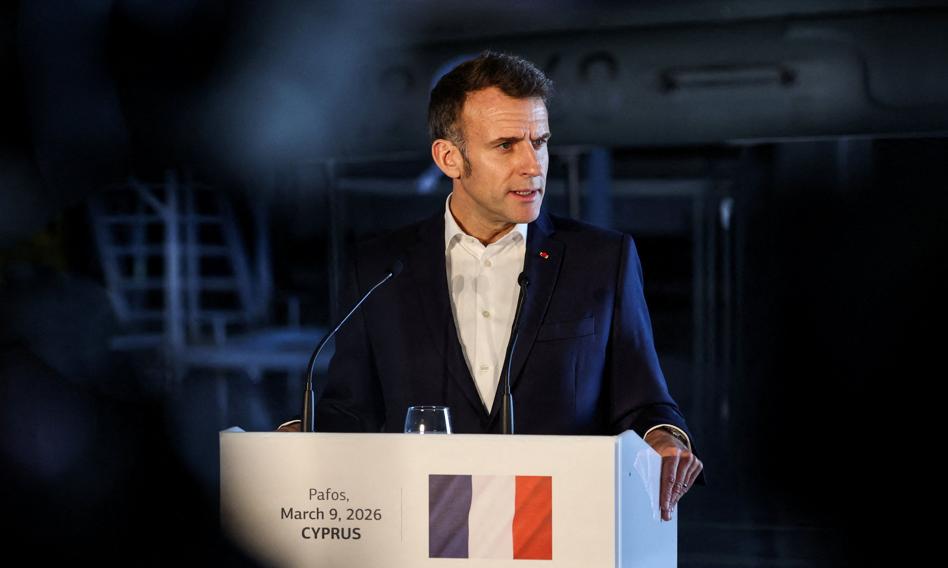
After the success of the meeting in Berlin on Ukraine, German Chancellor Friedrich Merz was put on the defensive – French President Emmanuel Macron pushed through his plan to finance aid for Kiev, and now he is thinking about a telephone conversation with Vladimir Putin – writes “Sueddeutsche Zeitung”.
In recent months, Merz has given the impression that he has all the strings of European policy towards Ukraine in his hands. Currently, Macron apparently wants to return to the role of European leader, notes “SZ” on Tuesday.
The newspaper recalls Macron's recent announcement that in the coming days he will decide whether he will hold a personal telephone conversation with the Russian leader. “Moscow reacted positively. Merz was apparently not privy to this plan” – he notes in the comment.
“SZ” draws attention to Germany's “laconic” reaction. The deputy government spokesman in Berlin emphasized that Merz “devoted a lot of time, political capital and energy” to creating prospects for peace and ensuring the unity of European countries.
According to the authors of the comment, Merz meant to say that he does not consider Macron's efforts to call Putin a reasonable contribution to the peace process or to European solidarity.
“SZ” emphasizes that unlike his predecessor Olaf Scholz, who spoke to Putin by phone four times, Merz did not speak to the Russian leader even once. Merz and his advisers do not focus on personal contacts with the Kremlin, but on strengthening Ukraine in talks with the US.
Macron's conversation with Putin could sow doubts about a common front of European countries. At the last EU summit, the impression was created that Merz and Macron were not going in the same direction. While the German Chancellor was pushing the idea of supporting Ukraine, the so-called reparations loan financed from frozen Russian assets, Macron was a supporter of aid from the EU budget. “In Brussels, Macron turned out to be the winner in this dispute,” says the daily.
The French president managed to push through “plan B”thanks to which Hungary, Slovakia and the Czech Republic did not veto Community debt. Merz's success is the permanent freezing of Russian assets, but for European public opinion the chancellor is a “big loser.”
The leader of the opposition to the solution supported by Merz was the Prime Minister of Belgium, Bart De Wever, who was afraid of Russia's gigantic claims. In order not to provoke the Germans, the head of the Belgian government reportedly advised the media not to “fall into triumphalism.” “The fact that Macron has now become Merz's opponent is certainly in the Belgian's favor,” writes “Sueddeutsche Zeitung” in conclusion. (PAP)
lep/ akl/