Senior Pentagon officials told European partners this week that the Indo-Pacific region remains a priority for President Donald Trump's administration and that the United States “cannot fight two wars at once,” making the structural transfer of NATO's conventional defense responsibilities to Europe non-negotiable.
Despite this strategic shift, officials said arms shipments to Ukraine would continue and were expected to increase before Christmas, underscoring Washington's intention to keep Kiev rearming even as NATO's internal burden-sharing changes.
A senior Western official familiar with the talks [na temat zwrotu USA w sprawie wspierania członków NATO] explains Washington's message as follows: “Support for Ukraine remains, but Europe must be prepared for NATO, in which the United States will no longer automatically be the first line of defense.”
Another European diplomat, in a conversation with a Kyiv Post reporter, sums it up more bluntly, claiming that the door has already been closed on this matter: — Washington is telling Europe that the era of US dominance in NATO is coming to an end – and that the deadline has already been set.
Rigid deadline and consequences
European capitals have been informed that this should not come as a “surprise” to anyone: the Pentagon has previously announced its intention to reduce its contribution to NATO, but the latest briefings contained a much tougher ultimatum.
If Europe does not build a European-led NATO structure by 2027, the United States is prepared to withdraw completely from key planning processes – including the NATO Force Model (NFM) and the NATO Defense Planning Process (NDPP).
For now, US officials will continue to participate in these processes, but only to facilitate Europe's takeover. After 2027, as one official explains, Europe will have to “resolve this issue” without assuming US involvement.
A European defense adviser familiar with the content of the message said the tone was “firm, final and clearly strategic.”
Deployment of American troops in Europe
Though The Trump administration does not plan any major changes in the deployment of troops in Europe in the near futurethe Pentagon will reduce the number of high-ranking American officers in the NATO command structuremaking these positions available to Europeans.
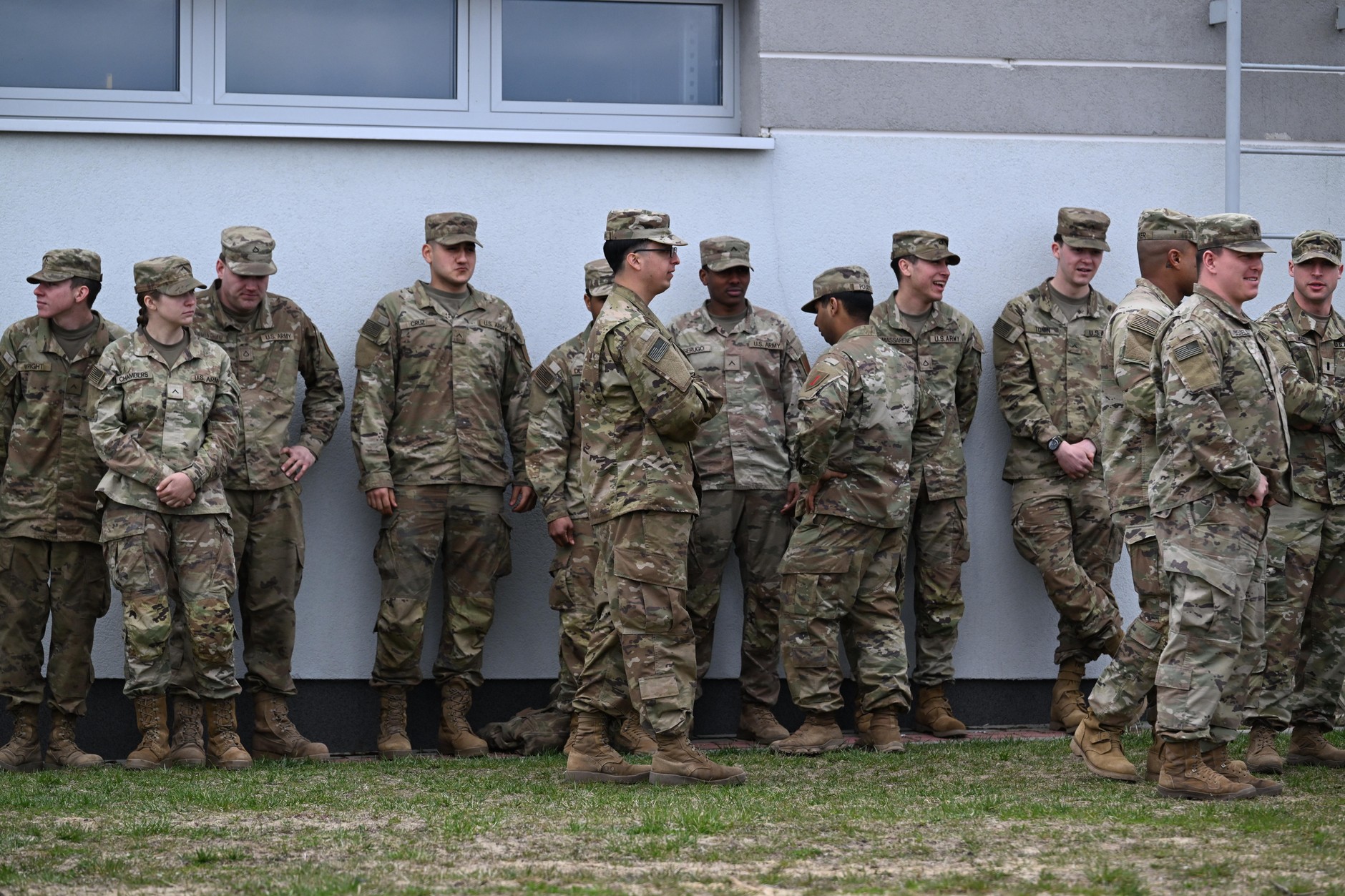
US Army soldiers at the training ground in Nowa Dęba during training with Polish soldiers, April 12, 2023.Darek Delmanowicz / PAP
One key role remains unchanged: NATO's Supreme Allied Commander in Europe (SACEUR) will remain American, retaining a central pillar of NATO's military architecture.
Officials briefed on the matter added that the Pentagon is no longer preparing any comprehensive global deployment review [amerykańskich] forces, but only a gradual adjustment of existing deployments.
“The end of the old NATO paradigm”
Pentagon officials emphasized that they are working to accelerate implementation of the NDPP, but noted that they have no opinion on how it will happen — all that matters to them is the end result.
The administration now wants “verifiable evidence that Europe is finally increasing the capabilities it has promised to provide,” one source said.
European officials note the irony that some of the systems are expensive [mających zwiększyć zdolności obronne Europy, czego wymagają od niej USA]that the United States wants to give us are the same systems that American manufacturers are struggling to deliver on time.
One Western official sums up this strategic shift: “It's not a withdrawal.” [USA z sojuszu]. But this is the end of the old NATO paradigm.
Find out more: