“Major fiscal risk area”: How the Government wants to combat micro-smuggling of cigarettes on the border with Bulgaria

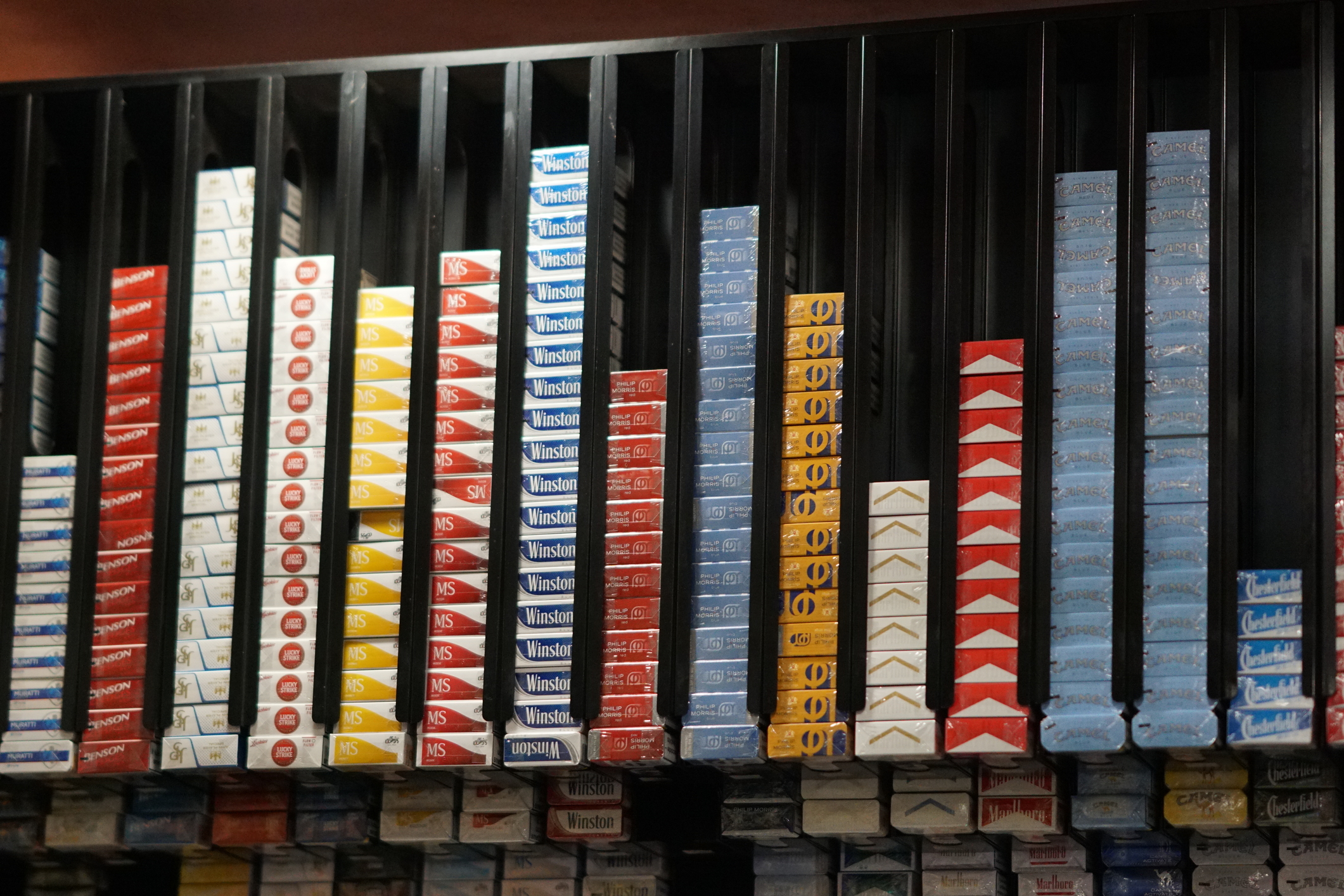
The government wants to adopt on Friday, by emergency ordinance, several fiscal changes to excise duties to combat an increasingly pronounced phenomenon, especially on the border with Bulgaria: micro-smuggling of tobacco.
Instead of large shipments of cigarettes (classic smuggling), the new phenomenon involves ordinary people who cross the border frequently, buy small quantities of excise goods (such as cigarettes and alcohol) at significantly lower prices, declare them for personal use, but resell them illegally when they return to the country.
How the micro-smuggling of cigarettes is possible
“According to the information of the Romanian Customs Authority, at the moment, it has been found that, in parallel with organized smuggling, a phenomenon known as “micro-smuggling” has increased, which involves frequent crossings of the internal border of the European Union, especially at the Romanian-Bulgarian border, by people who introduce quantities of excise goods declared for personal use, but which, in reality, are intended for illegal commercialization”, the explanatory note states.
The law allows anyone to bring a maximum of 800 cigarettes (4 cartridges) from another EU country for personal use without paying tax. However, the law does not limit how often you can do this.
“In its current form, art. 413 of the Fiscal Code allows the introduction into Romania, from another EU member state, of a maximum number of 800 cigarettes per person, without specifying a frequency ceiling for these shipments or a clear definition of the occasional nature of travel for personal purposes, this fact being systematically exploited, especially in border areas, where residents organize multiple daily trips to Bulgaria, legally purchasing products taxable at significantly lower prices and introducing them into Romania for the purpose of unauthorized resale.
Thus, the personal use provision is used as a cover for illegal business activities. From the data communicated by the General Inspectorate of the Border Police, in the year 2024, approximately 49% of the total cigarettes seized at the national level were intercepted at the border with Bulgaria, which indicates an area of major fiscal risk, with direct implications on the revenues of the state budget”, the document states.
The “occasional nature” of the transport of excisable products will be regulated
As a result, the project proposes to amend art. 413 of the Fiscal Code, so that the excisable products purchased by a natural person are considered for personal use, “only to the extent that the transport to Romania from other member states of the excisable products is of an occasional nature, i.e. it is not carried out repetitively and systematically.”
The rule will also apply to other excisable products.
Thus, the products purchased and transported “occasionally” by natural persons are considered to be intended for their own use, provided they do not exceed the following quantitative limits:
a) processed tobaccos:
– cigarettes – 800 pieces;
– cigarettes (with a maximum weight of 3 grams/piece) – 400 pieces;
– leaf cigarettes – 200 pieces;
– smoking tobacco – 1 kg;
b) alcoholic beverages:
– beer – 110 liters.
– spirits – 10 liters;
– intermediate products – 20 liters;
– wines – 90 liters (of which a maximum of 60 l of sparkling wines);
The products purchased and occasionally transported in quantities higher than the previously provided limits and intended for consumption in Romania are considered to be purchased for commercial purposes and, in this case, excise duty is due in Romania.
Maximum limits are also imposed on other types of tobacco
In order to ensure a uniform application of the legislation on excisable products and to combat the illegal introduction on the market of tobacco products subject to non-harmonised excise duties, the act provides for the establishment of maximum quantitative limits, in the case of natural persons who occasionally import, for personal purposes, products containing tobacco, intended for inhalation without burning and tobacco for chewing/nasal use from the territory of other member states, as follows:
- products containing tobacco, intended for inhalation without burning (NC 2404 11 00): 250 g or 800 sticks;
- chewing tobacco (NC 2403 99 10 00): 250g;
- tobacco for nasal use (NC 2403 99 10 00): 250 g.
The establishment of the occasional nature of the transport will be carried out according to the procedures approved by joint order of the president of the Romanian Customs Authority and the president of the National Tax Administration Agency.
This order will be issued within 30 days from the date of entry into force of this emergency ordinance.
Excise duties are also introduced on chewing and snuff tobacco
Through the draft normative act, it is proposed to establish a non-harmonized excise tax of 1,172.45 lei/kg for chewing tobacco and snuff tobacco at the level of 2025, in order to establish a fair fiscal treatment with other tobacco products, as well as in order to reduce the risk of smuggling and increase the revenue from excise taxes for the state budget.
For 2026, the level of this excise duty will increase to 1,198.28 lei/kg.
Tax stamps also on tobacco for chewing or nasal use
The draft normative act proposes the introduction of the marking regime with tax stamps also for chewing tobacco and tobacco for nasal use, similar to that applied to processed tobacco products and products containing tobacco, intended for inhalation without burning.
The aim is to comply with the obligation to place on the market unit packs of tobacco products, other than cigarettes and roll-your-own tobacco, only if they carry the security element and the unique identifier.
Combating massive releases of cigarettes
The act also provides for the establishment of a mechanism to limit the quantities of cigarettes released for consumption (by authorized storekeepers, importers, etc.) in the last 3 calendar months before an announced increase in excise duties.
It is also proposed to introduce sanctions for non-compliance with the obligation regarding the quantities that can be released for consumption in the last 3 calendar months before the increase in the excise duty level.
“The measure is necessary considering the fact that the state budget is harmed by such a practice of economic operators in the field of processed tobacco, namely the release for consumption of a significant amount of cigarettes before the increase in the excise duty level, followed by significantly lower releases for consumption in the month in which the increase in the excise duty level took place, thus avoiding the payment of the excise duties due at the new level”, the explanatory note states.
New rules for small independent producers of quiet wines
The act proposes the introduction of small independent producers of still wines in the category of excise duty payers and the establishment of the moment of release for consumption that attracts the payment of excise duties to the state budget, as well as the establishment of a payment term for excise duties due starting on August 1, 2025.
Also, in order to ensure the continuity of the marketing activity to a fiscal warehouse, as well as to avoid impediments in the economic activity of small independent producers of still wines and of fiscal warehouses that purchase still wine from them, through the draft normative act it is proposed that the movement of still wines made by small independent producers from the production space to fiscal warehouses should not be considered release for consumption.
At the same time, it is proposed to establish a transitional provision regarding the excise duty payment term for still wines sold by small independent producers starting from August 1, 2025, the date from which the obligation to pay excise duty came into effect and until the entry into force of the new provisions.
Photo: Cineberg Ug | Dreamstime.com