As the daily recalls, Prime Minister Donald Tusk informed the Sejm that the sabotage – including blowing up an explosive on the tracks in the Miki area – was allegedly carried out by two Ukrainian citizens cooperating with Russian services. Both men fled to Belarus, and the National Prosecutor's Office issued arrest warrants for them.
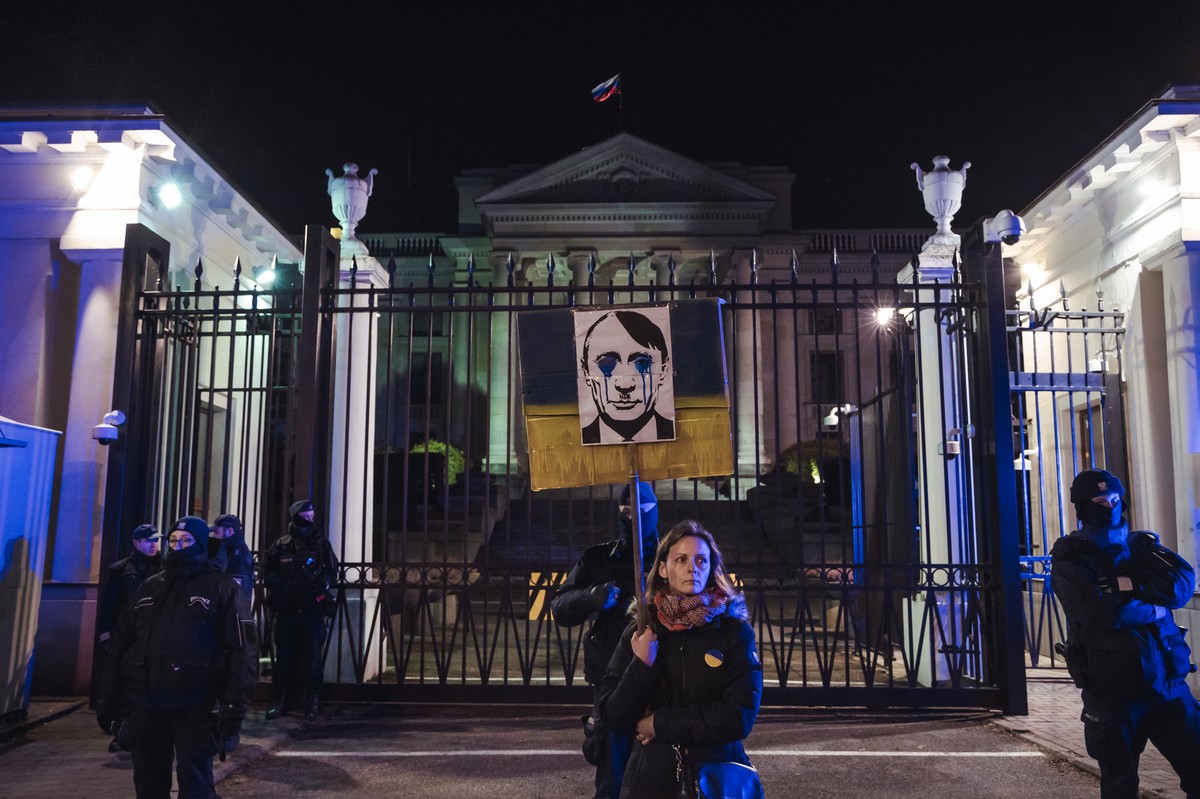
In response to these events, Poland – as described by rp.pl – withdrew its consent to the operation of the last Russian consulate general in Gdańsk. This is another such decision after previous acts of sabotage, which resulted in the closure of Russian outposts in Poznań and Kraków.
Read also: The EU is considering hybrid actions towards Russia. Europe is preparing for a breakthrough in its strategy
Sikorski: We are not breaking off relations
At the same time, the head of the Ministry of Foreign Affairs, Radosław Sikorski, emphasized that Warsaw is not breaking off diplomatic relations with Moscow – the embassies of both countries will continue to operate. SIkorski pointed out that other Western countries had not taken such a step, despite the acts of Russian sabotage revealed there.
Russia responded by taking actions “on the principle of reciprocity”, withdrawing consent to the operation of Polish consulates in Königsberg, St. Petersburg and Irkutsk. As reported by “Rzeczpospolita”, the Polish Ministry of Foreign Affairs took note of these decisions, at the same time emphasizing that Poland is not carrying out destabilization acts on the territory of Russia.
42.6 percent for
In this context, SW Research asked Poles whether, after the recent sabotage, Poland should completely break off diplomatic relations with Russia.
- “Yes,” 42.6 percent answered. respondents,
- “No” – 28.5 percent,
- No opinion – 28.8 percent (differences are due to rounding).
According to a comment presented by rp.pl, people with primary education (49%) and residents of medium-sized cities (200,000-499,000 inhabitants) were most likely to support breaking off relations. Most opponents of such a step are in the smallest towns – up to 20,000. inhabitants (39%).