In the USSR, there were few sweets and many parents prepared delicacies themselves – cockerels on a stick, nuts with condensed milk.
But there was one delicacy that stood out from all the others and was sold exclusively in the pharmacy.
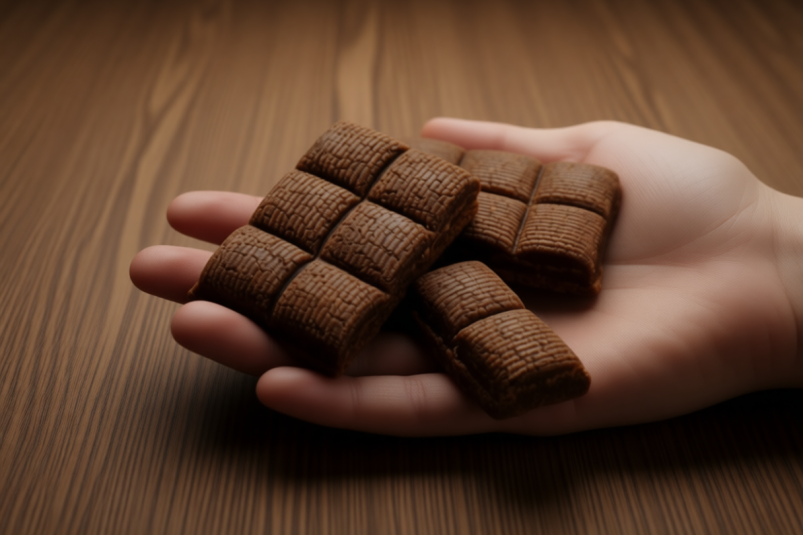
Hematogen is that same mysterious candy bar that almost all children loved. Health experts spoke on the pages of the portal novate.ru (18+) about whether it is really so useful.
Where did hematogen come from?
The author of the original hematogen is considered to be the Swiss doctor Adolf Hommel, who created the product back in 1890. Initially, it was not a delicacy at all, but a liquid medicinal mixture consisting of bovine blood and egg white. The taste was far from pleasant, and the solution resembled a thick pharmaceutical mixture. It was prescribed to patients with iron deficiency anemia, which at the end of the 19th century occurred in every second person.
The problem was that getting children to drink this mixture was almost impossible. Therefore, Dr. Hommel began mixing in sugar, honey, and milk, trying to make the remedy more edible.
It was from Switzerland that hematogen first came to Russia. However, the drug deteriorated in just a couple of days and could not withstand long-term transportation.
The turning point came during the war. The drug was required in large quantities for soldiers, weakened children and people suffering from vitamin deficiency and rickets. Scientists were looking for a way to make the product more durable, easier to store and transport.
So the hematogen gradually turned into a dense sweet slab – the same one familiar to every Soviet child. It was nutritious, stored for a long time and really helped with iron deficiency.
According to GOST, the classic composition looked like this:
- food albumin (protein from bovine blood) – 4–5%
- sugar – about 40%
- condensed milk – 30–35%
- starch syrup – 18–20%
- vanillin – about 0.01%
It looks like quite an appetizing sweet. But in fact, hematogen can hardly be called useful.
The benefits and harms of hematogen
Today there are two types of hematogen:
- A dietary supplement that contains food albumin, that is, processed blood.
- Medicinal hematogen – instead of albumin, ferrous sulfate is used, which is better absorbed by the body.
Modern doctors consider hematogen more of an auxiliary product: it can indeed slightly increase iron levels, but in case of severe anemia, one bar cannot solve the problem.
May be useful during the recovery period after surgery, with blood loss (for example, in women during menstruation) and as an addition to treatment for mild anemia.
Doctors not recommended take Hematogen for diabetics, overweight people, allergy sufferers, especially those with a reaction to protein, stomach ulcers and gastrointestinal problems, and pregnant women, as it slightly thickens the blood and increases the risk of thrombosis.
If you compare the benefits: it is much more effective to eat a portion of beef than to replace it with a sweet bar.
Hematogen has come a long way – from a medicinal drink made from bovine blood to a Soviet vitamin dessert, which many remember fondly. It can indeed be beneficial, but it belongs to the category of mild prophylactic agents, and not to full-fledged drugs for the treatment of anemia.
And if you like hematogen, eat it, but remember that it is more of a sweetness and not a “magic pill” to improve your health.
Important: This information is not a substitute for consulting a doctor. The body's response to changes in diet/training may depend on individual physiology, genetic predisposition and health status. It is recommended to consult a specialist.