Agreement between both parties to end the funding blackout [rządu USA] includes a long-term deal on just three of the dozen bills lawmakers must pass each year to keep cash flowing to federal programs. These three measures are some of the easiest to agree on – they include funding for veterans programs, food aid, farm aid, and the operation of Congress itself.
In total, however, they constitute only about 10 percent. with approximately USD 1 trillion 800 billion. [6 bln 552 mld zł]that Congress appropriates each year for federal agencies. Under the agreement, all remaining spending is funded temporarily through Jan. 30 at levels first established by Congress in March 2024, when Joe Biden was president.
This leaves open important decisions on the vast majority of discretionary funds—including military and health programs—and the most difficult policy issues. It doesn't help that House and Senate leaders still haven't agreed on total spending for fiscal year 2026 amid divisions within the Republican Party over how deep the cuts should be.
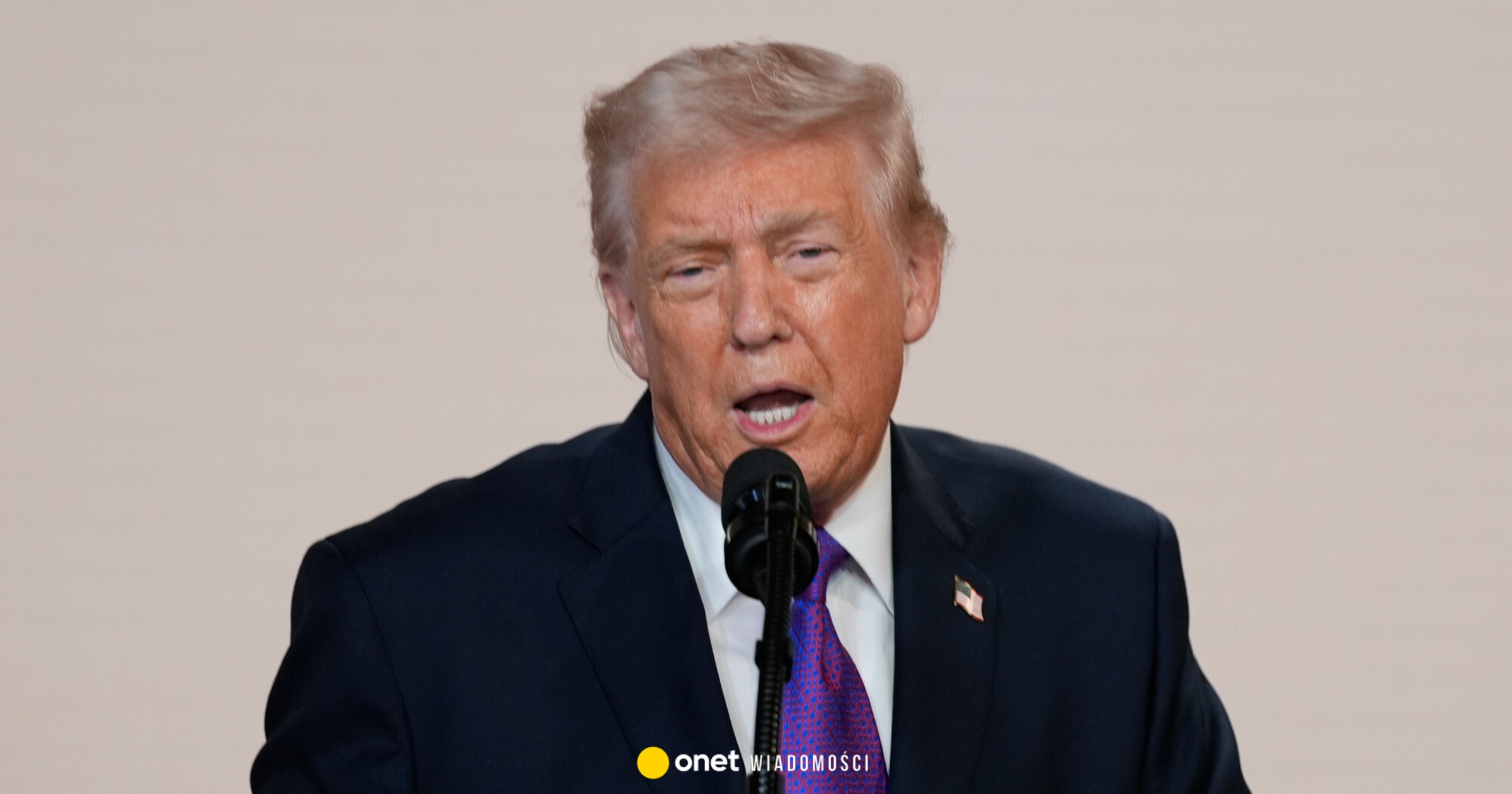
House Majority Leader Steve Scalise acknowledged this month that the most difficult part of funding negotiations is yet to come, after President Donald Trump signed the current deal ending the administration's shutdown.
“We just need to find a solution that allows us to restart the administration,” Scalise said. “But the real negotiations will be whether we can reach an agreement on how to properly fund the administration through individual appropriations bills and packages of appropriations bills.”
If lawmakers don't resolve all the issues before the new deadline in January, Congress risks another partial one shutdown or the functioning of most federal institutions on the basis of budgets from two years ago. Some Democrats are already suggesting they are willing to impose another government shutdown if there is no deal on insurance subsidies under the Affordable Care Act [ang. Ustawa o dostępnej finansowo opieki]which expire at the end of this year.
Compounding the challenge is concern that the partisan bickering that has erupted during the six-week administration shutdown will only complicate the already arduous task of reaching a cross-party compromise.
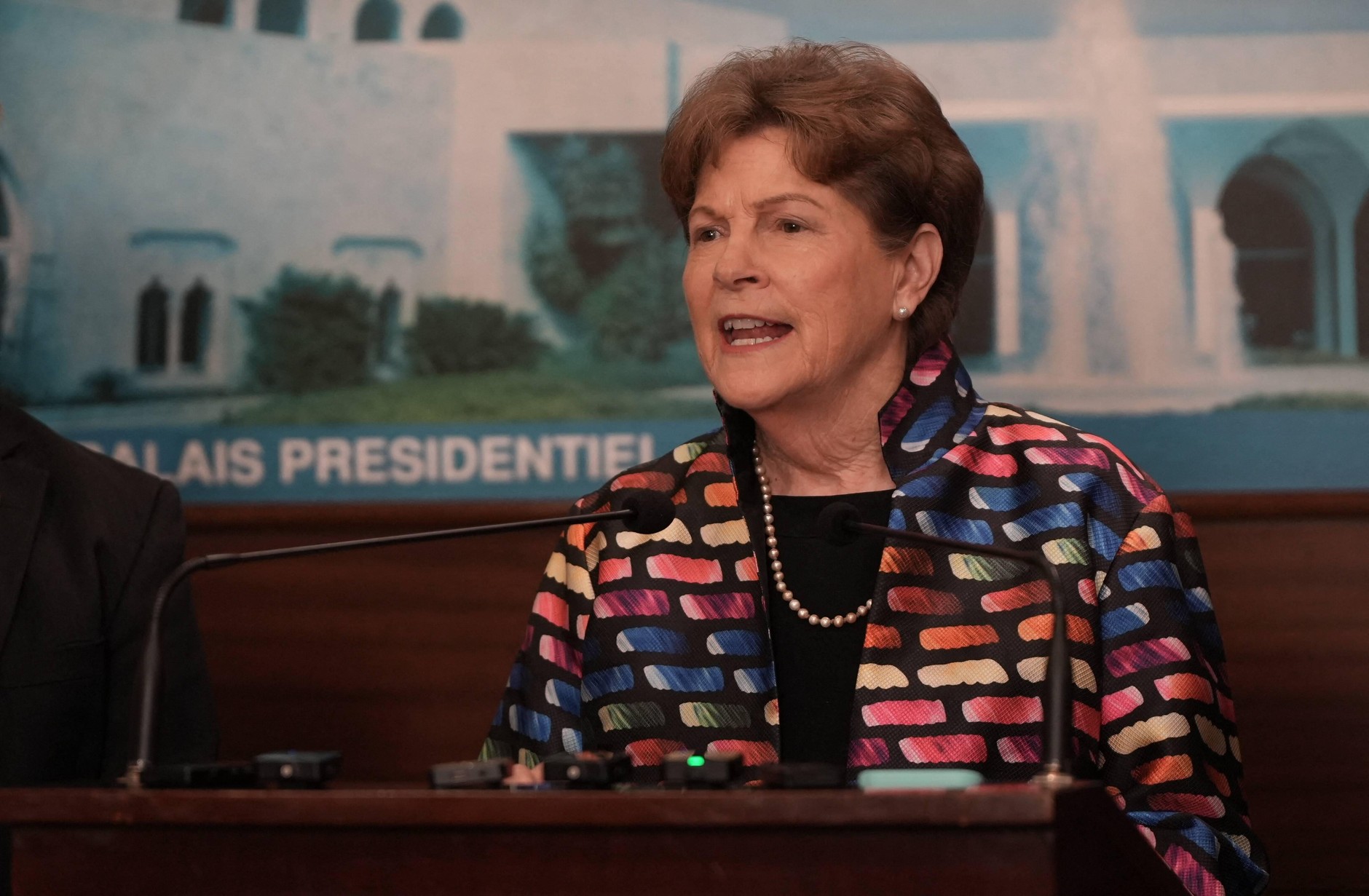
“If we're going to get back on track, we have to be able to trust each other,” Sen. Jeanne Shaheen, who helped broker the deal ending the administration shutdown, told reporters this week.
U.S. Senator Jeanne Shaheen during a visit to Beirut, Lebanon, August 26, 2025.PAP, AA/ABACA / PAP
It seems that the three-law agreement did not significantly contribute to redressing this situation. One of the four leading congressional appropriators, House Representative Rosa DeLauro, expressed opposition to the course of final negotiations aimed at closing the financial package.
“The entire House of Representatives has been marginalized in this process,” she said Tuesday night during a Rules Committee meeting.
DeLauro accused Senate Republicans of “abruptly” stopping talks mid-negotiation, making the bills public before she signed them and secretly adding controversial language without consulting House lawmakers.
In the Senate, leaders pledged to quickly introduce more funding measures. Majority Leader John Thune said senators will “be off to a race” on a second spending package when the chamber resumes on Tuesday.
Up to five bills are being considered for inclusion in this package, covering funding for the military and the departments of education, commerce, labor, health and human services, justice, transportation, interior affairs, and housing and urban development.
Accomplishing this task will be difficult. All 100 senators would have to agree to draft the bills quickly, which would likely be followed by weeks of debate before voting on them. Then, top members of the Senate Finance Committee would have to reach a compromise with their House counterparts.
The article continues below the video
No illusions
However, the remaining spending bills will be even more difficult to pass. Four of them are so controversial that the Senate Committee on Public Finance did not approve them this summer. Lawmakers from both parties agree that agencies included in the package — including the departments of Energy, Homeland Security, State and Treasury, including the IRS — will likely receive funding under a temporary arrangement that will last through September of next year.
Democrats warn that any partisan demands from Trump or hardliners in the House of Representatives could lead to an impasse in reaching an agreement on the nine remaining bills.
“If they want to add poison, obviously the whole thing will fall apart,” said Senator Chris Van Hollen, a senior member of the Finance Committee, in a brief interview.
But Democrats are also motivated to reach bipartisan agreements in light of actions by Trump and White House Budget Director Russ Vought this year to move, freeze and cancel billions of dollars already approved by Congress.
Senators sought to be more specific in the new trio of funding bills about how the Trump administration must spend the money.
“Obviously, these are not bills I would have written myself,” said the top Democratic member of the Finance Committee, Sen. Patty Murray of Washington, in a speech this week on the Senate floor. But she added that the designs are “incomparably better than what Trump and Vought would write.”
“We have a lot of work ahead of us, but I know we can achieve our goal of passing year-long funding bills so that Congress, not Trump or Russ Vought, decides how taxpayer dollars are spent,” she continued.
However, several remaining draft bills are the subject of much deeper disputes. For example, within the party [w Partii Republikańskiej] disagreement between Senate Finance Committee Chair Susan Collins and Senator John Kennedy over funding levels has left the energy bill in limbo.
“I know this is a new experience for everyone on the committee,” Kennedy said this week. “But I'm not going to back down,” he added.
There is also the issue of resources for DHS [Departamentu Bezpieczeństwa Krajowego]which have not yet been released, much less passed committee, amid a deep partisan dispute over scaling back Trump's immigration program.
Sen. Chris Murphy of Connecticut, the top Democratic member of the DHS funding committee, said he wants “real restrictions” to prevent what he calls the Trump administration's “clearly illegal” diversion of funds to support border enforcement and mass deportations.
“It's going to be really difficult to get a bipartisan long-term budget,” Murphy said, mentioning the $600 million figure. [2 mld 182 mln zł]which the administration currently devotes to immigrant detention, even though Congress has expressly authorized these funds for “non-detention” activities.
Sen. Katie Britt of Alabama, who has clashed with Murphy, acknowledged that the Finance Committee has “a lot of hard work ahead” when asked this week about the challenges of passing the next tranche of spending bills.
— I don't think anyone is fooling themselves [że będzie inaczej] she said.
I’m Ashley Davis as an editor, I’m committed to upholding the highest standards of integrity and accuracy in every piece we publish. My work is driven by curiosity, a passion for truth, and a belief that journalism plays a crucial role in shaping public discourse. I strive to tell stories that not only inform but also inspire action and conversation.