Anna Korólczyk-Lewadnowska, Business Insider Polska: How did the idea to create Studio Element come about?
Filip Kurasz, creative director of Studio Element: We have always wanted to be architects – and this is of great importance, because Element was created from the beginning as a hybrid of a visualization studio and an architectural studio. Architecture is our passion. Even as students, we dreamed of working with the best and implementing our own projects. We graduated with distinction, gaining experience in renowned Dutch offices. This shaped our ambitions, standards and way of thinking about the quality of work.
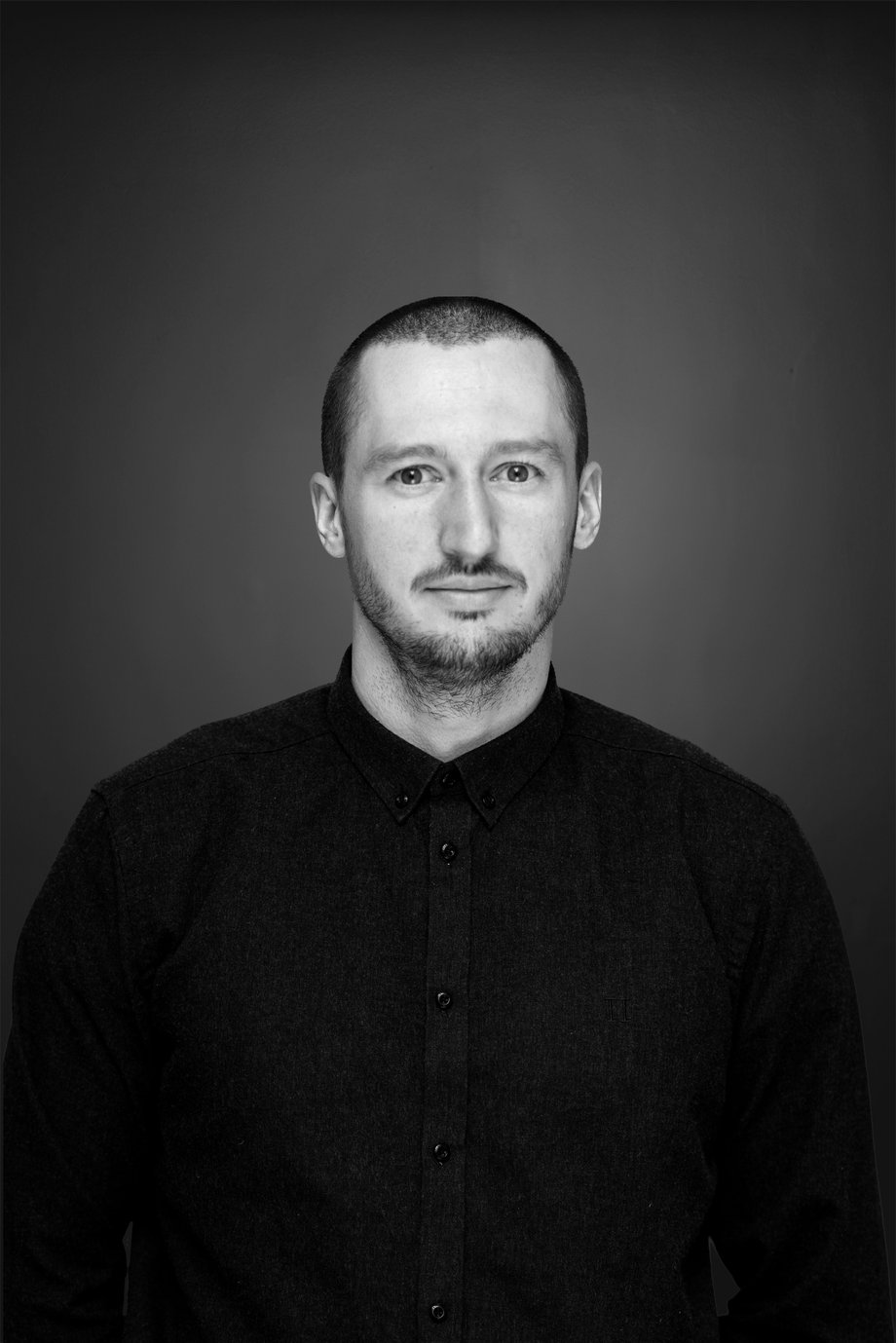
Filip Kurasz
|
Studio Element
Read also: PRS and co-living in Poland. Urban Partners is building the future of the rental market
Values and aesthetics in architecture
How did it start?
We met Kuba after graduation, thanks to our supervisor, prof. Ksenia Piątkowska. She invited us to a joint competition for the design of one of the buildings for the Gdańsk University of Technology. Winning at the age of 26 was a breakthrough – it gave us faith in our own abilities and built the foundation for future cooperation. It quickly turned out that we had similar values, aesthetics and way of thinking about architecture. Our competences began to complement each other – this is how Element was created.
Do you remember your first order?
Of course. It came from the office where I previously worked in the Netherlands. It was a large mixed-use project in Haarlem: five visualizations, a week of work and nights spent at the computer. An intense but important moment because it made us realize that we can create visualizations and make money from it.
How has the studio's work philosophy changed over the years?
It's been a long road – full of learning, trial and error. At the beginning, we offered competition visualizations that we made for ourselves. This worked well, but we quickly noticed that some customers treated us as an image production tool. For us, each painting was always a project in itself – with its own narrative, mood and intention. Thanks to subsequent awards and publications, we have started to build the position of a studio that can tell stories about architecture in a way consistent with the brand's identity. We understood how the market works, how different the audiences are and what our partners really need. We started to consciously build a process – explaining to clients what each stage was for and why it was important. The key turned out to be partnership communication and transparency. Today, after 11 years of operation, Element operates as an advisory and creative partner. Our clients entrust us not only with visualizations, but also with developing the artistic direction and sometimes even the entire visual identification of the project.
Is there a project that is particularly memorable for you?
Definitely a few.
Health Innovation Campus Boxmeer in the Netherlands by UN Studio is a campus with a huge area of 200,000 m2. m2 dedicated to health. It was crucial to capture the relationship between architecture, light and the idea of a “healing environment”.
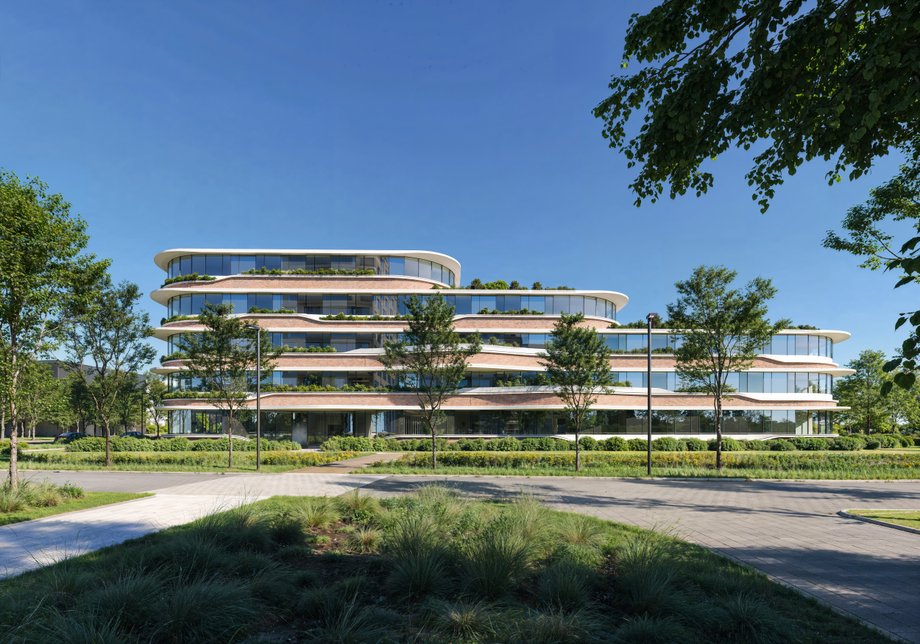
Visualization of the Health Innovation Campus Boxmeer in the Netherlands
|
Studio Element
Stockholm Wood City (Henning Larsen Architects / Atrium Ljungberg) – the largest wooden district in the world, occupying a total of 250,000 m2. m2, built of laminated timber. A project showing the future of cities: sustainable, warm, human.
Antwerp Prison (Hootsmans) – a building for 440 people with gymnasiums, a library, a café and the possibility of keeping animals. A space that redefines the concept of a humanitarian approach to prison architecture.
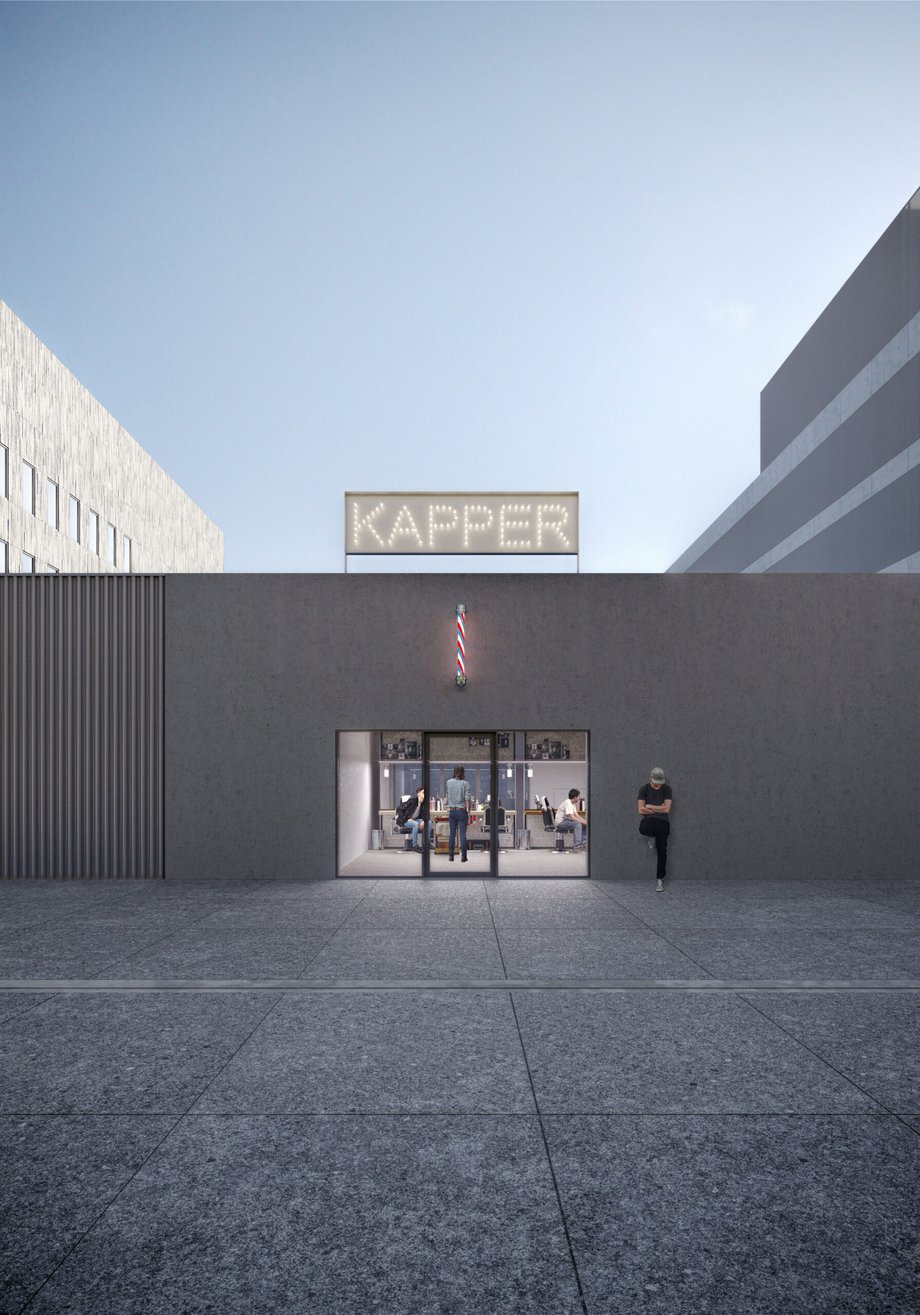
Visualization of a prison in Antwerp
|
Studio Element
Each of these projects required a combination of technical precision and emotional sensitivity. It is in this – in understanding that architecture is not only a form, but an experience – that we see the greatest value of our work.
For final visualization
What does the creative process look like in the studio – from the brief to the final visualization?
We start with a conversation with the client, architect and design team. We talk about what they want to show, who they are talking to and what the project's values are. Only then is an idea created for a series of visualizations – coherent, narrative and tailored to the nature of the project. The standard process takes two to four weeks. Three meetings take place: the first is the moment of selecting shots and sketches, the next ones are used to control progress and discover new frames. The best ideas are born then – spontaneously, during work. In short: our process is dialogue, interpretation, intuition and craftsmanship. We treat each project individually, because each architecture has its own rhythm. We translate it into an image.
Are there any projects that have gained recognition in the creative industry?
Yes. An example is the visualization of the interior of the concert hall of the Music Center. Fryderyk Chopin in Żelazowa Wola. The image went viral – it was included in a doctoral thesis on acoustics and a lookbook at the Paris design fair. We implemented the project together with Arau Acustica – winners of the award. Mies van der Rohe. Although we did not win the competition, our visualization was featured on the cover of Archdaily and won Special Mention in the Architizer A+ Awards.
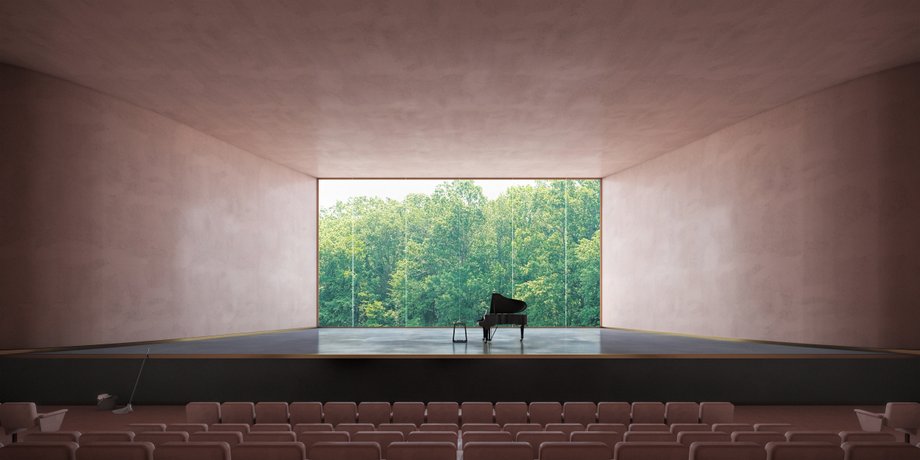
Visualization of the Chopin International Music Center, concert hall
|
Studio Element
See also: Poles invest in Spain. Lower loan installments and lower commissions
Studio Element recently won prestigious international awards – can you tell us about them?
Architizer Vision Awards is a competition organized by one of the world's most important architecture media. The Artist of The Year award is granted to studios that bring a new quality to the way architecture is presented. For us, this is a great distinction – it shows that our work has not only aesthetic but also emotional value.
The International Property Awards, in turn, is a competition with over 30 years of history, rewarding the best offices and projects from around the world. The process is multi-stage and the competition is huge – we are even more pleased that we are among the winners in the category of the best CGI (computer graphics) office.
How important are international competitions to you?
It's more than just a promotion. We treat them as a space for experimentation, development and reflection on the direction in which our industry is heading. They allow us to compare ourselves with the best, confront ideas and demonstrate our values. For clients, it is proof that they cooperate with a team that thinks globally, works according to high standards and is able to describe architecture in an understandable and moving way.
What are the immediate goals of the Element studio?
We want to develop – expand the team, take part in further international competitions and strengthen our position in the premium segment. We want Element to be synonymous with quality – a place where the client receives not only a beautiful image, but a partner who understands his vision, business goals and values.
Do you see new directions of development for architectural visualizations – e.g. VR, AI, interactive presentations?
It's a bit like photography – the technology changes, but the essence remains the same. VR, AI, interactive presentations are tools that allow you to experience architecture more deeply before you put the first shovel into the ground. But the essence is still the same – it's about emotions, information transfer and understanding people in space. Technology is only a means. The most important thing is what we can show thanks to it.