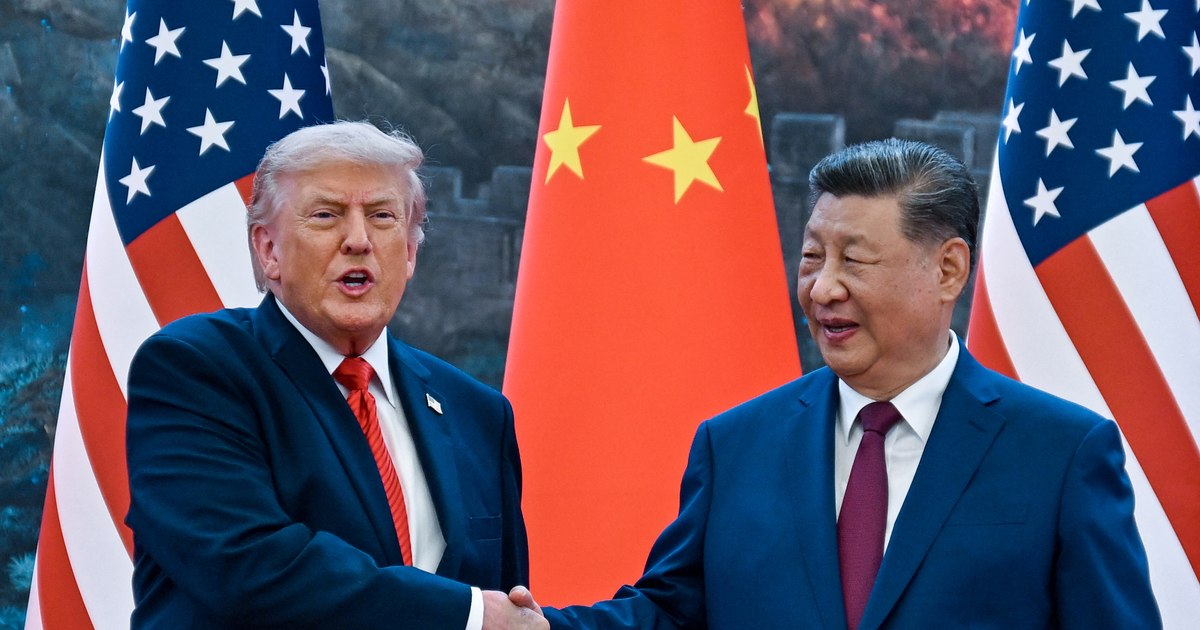
“No one knows what he meant.” Donald Trump's announcement to resume nuclear tests causes consternation in Congress. “Reckless and dangerous”


The move, which could end a three-decade moratorium on nuclear weapons testing, was supported by administration officials but met with confusion among military leaders and fierce condemnation from lawmakers.
At the heart of the controversy is a simple question: what exactly did the US president mean?
Experienced American diplomat Daniel Fried, who has advised seven administrations, in an interview with Kyiv Post emphasizes that the decision seems ill-considered and threatens to weaken Washington's credibility abroad.
Fried said Trump's reference to other countries testing nuclear weapons “appears inaccurate.” He notes that in recent decades, only North Korea has conducted such tests.
A US diplomat suggests that Trump may have confused the test of a Russian nuclear-powered cruise missile with an actual nuclear detonation, which he insists are “completely different things”.
The article continues below the video
According to Fried, Trump may have intended to warn Russia against nuclear escalation, but unclear wording “weakened the message” and clearly “Surprised the Pentagon.” He called the incident “strange, but perhaps not pointless.”
Controversy surrounding Trump's words
The ambiguity described by Fried was reflected in a hearing before the Senate Armed Services Committee, where Independent Senator Angus King pressed Vice Adm. Richard Correll, deputy commander of U.S. Strategic Command, to produce evidence that other countries were conducting nuclear tests.
— Do any other countries test nuclear warheads? King asked.
“To my knowledge, the last such tests were conducted by North Korea in 2017,” Correll replied. He added that China's last publicly confirmed test was in 1996, confirming that neither Russia nor China had conducted such tests in decades.
King suggested that the president may have been referring to delivery systems such as the Russian Skyfall (Burevestnik) missile. Correll agreed that this was possible, and King concluded: “We hope this will be clarified in the coming days.”
“China will follow in our footsteps”
Vice President JD Vance defended Trump's decision and described it as necessary to ensure the “proper functioning” of the US arsenal.
However, as in Trump's post, Vance did not clarify whether the directive concerned full detonations or tests without the use of explosives.
Speaking to reporters outside the White House, Vance said the tests were necessary to verify the operational readiness of U.S. nuclear weapons.
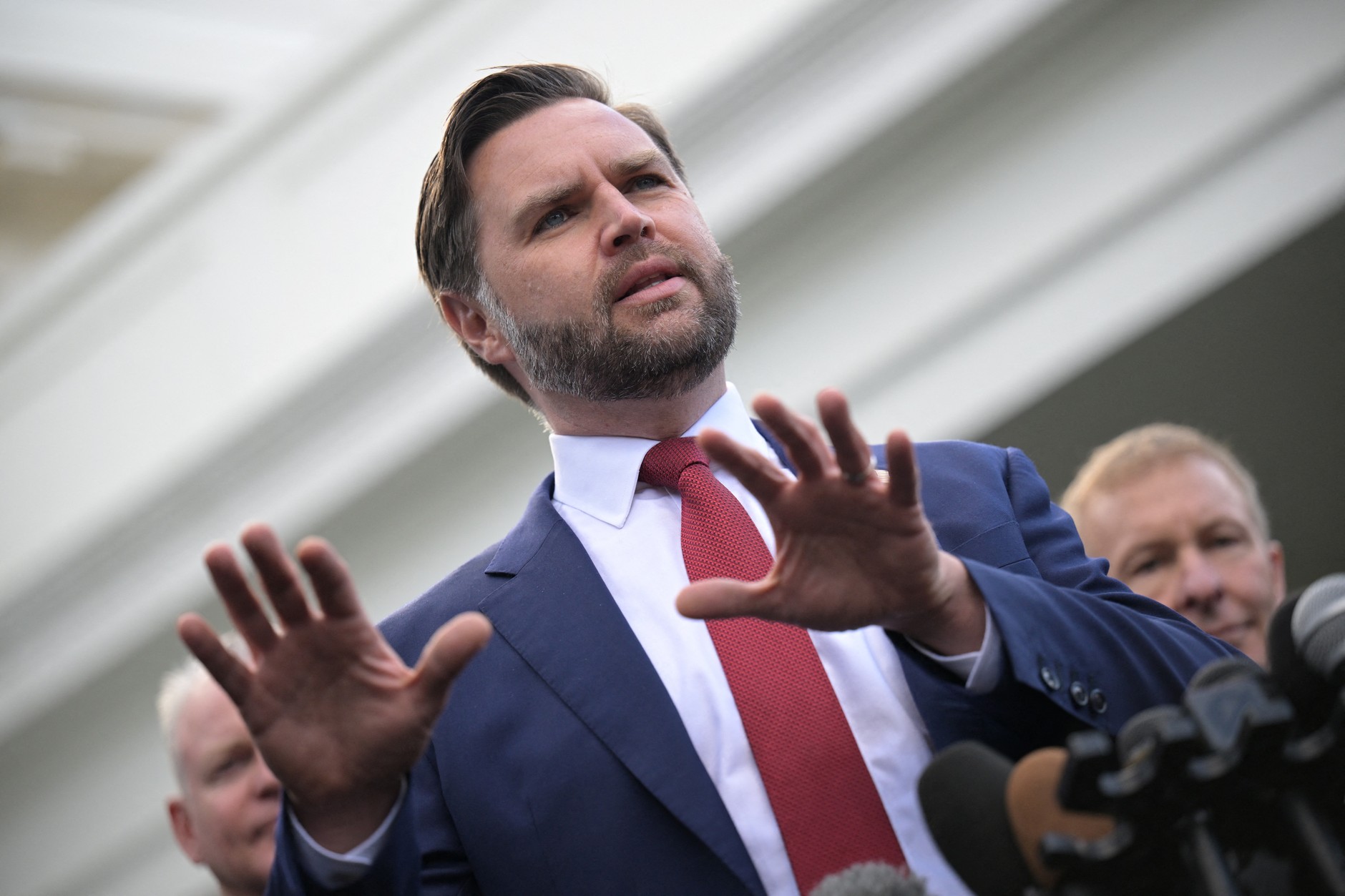
US Vice President JD Vance during a press conference outside the White House, Washington, October 30, 2025.Oliver Contreras / AFP / AFP
Democrats in Congress They quickly condemned this decision. Democratic Sen. Jacky Rosen, whose state once hosted U.S. test sites, warned of the human and environmental impacts, noting that Nevadans continue to live with “persistent radioactive contamination.” Trump called the announcement “reckless and dangerous.”
Senator Mark Kelly of the Democratic Party warned that the resumption of tests by the United States could trigger a global arms race. — If we resume testing, China will likely follow suit – he said. – This will only help them advance their technology.
House Democratic Leader Hakeem Jeffries called the order a “serious violation of international treaties” and “another example of Donald Trump and Republicans' policy being disconnected from reality.” He stressed that Democrats would instead focus on lowering the cost of living and repairing the health care system.
“It weakens America's position”
Amid mounting criticism — including warnings from Russian lawmakers Leonid Slutsky and Konstantin Kosachev that the move could violate the Comprehensive Nuclear Test Ban Treaty (CTBT) — Fried says a clear stance is needed from the White House.
He compared Trump's vague declaration with an earlier, harsher response to Russian President Vladimir Putin's boasts about nuclear weapons. — Then Trump told Putin to stop testing and start negotiations. It was strong and clear, says the diplomat.
This time, as Fried emphasizes, “no one knows what the president had in mind [USA] — and when the message is unclear, it loses its power.”
He argues that if Trump meant that the United States would only respond if other countries resume testing, that would make sense. “But to suggest that we could start testing for no reason makes no sense and undermines his own argument,” he notes.
Clearer communication could have made the statement constructive, Fried said, “but in the current climate it weakens America's position, not strengthens it.”