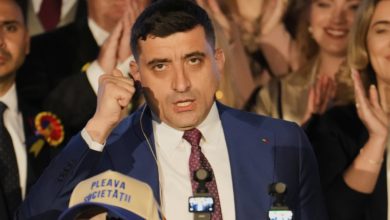
Vucic defies the EU and goes on May 9 in Moscow, along with the Slovak leader. Moreover, a military unit of Serbia will scroll to the parade in the Red Square

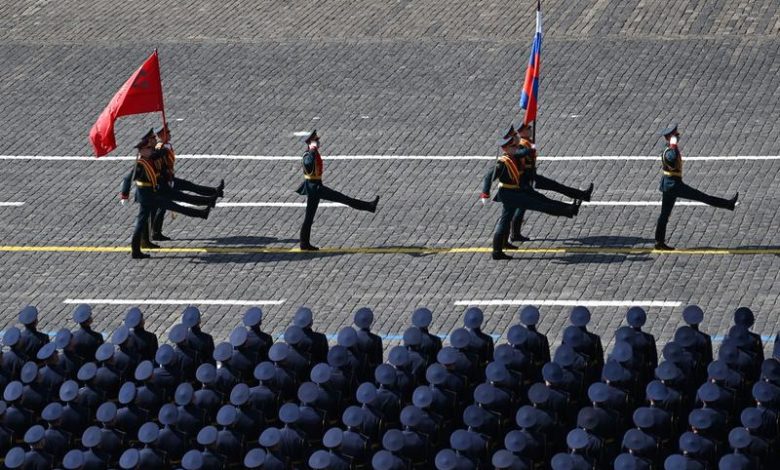
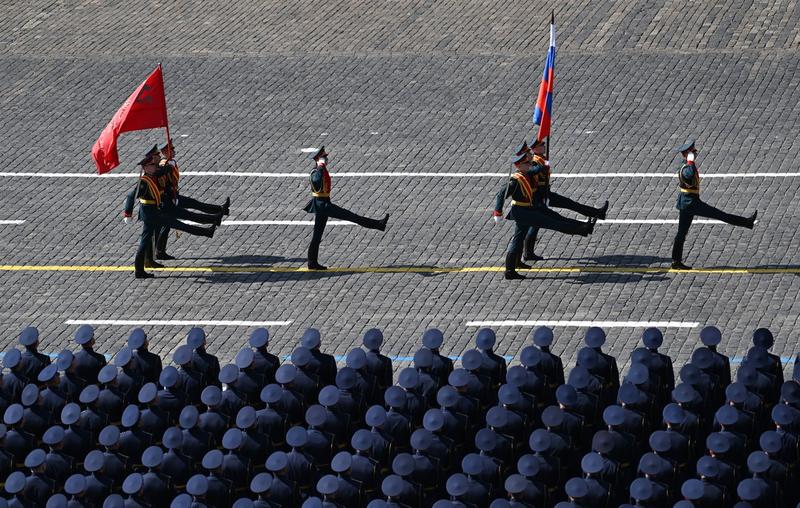
Military parade in the Red Square, Photo: Grigory Sysoev / Sputnik / Profimedia
The President of Serbia said on Wednesday that he did not change his mind about his participation in the Victory Day organized in Moscow, next month, despite the pressure from the European Union, writes Associated Press.
European officials warned Aleksandar Vucic that his visit to Moscow to commemorate World War II would be a violation of the criteria for accession to the Community Bloc and could derail the declared ambitions in relation to the EU.
Also, the visit would actually equate a support demonstration for Putin and Moscow war against Ukraine, writes AP.
Vucic, who often expressed pro-Russian opinions, decided to go further and even stated that one of the military units of Serbia will participate in the parade of May 9 in the Red Square in the Russian capital.
He also said that, for the first time, Serbia participates in the “joint” organization of the parade.
“In the next period, we will be under pressure on the Moscow event in which we announced our participation,” Vucic told reporters.
Earlier this week, the head of EU foreign policy, Kaja Kallas, said the block “said very clearly that we want no candidate country to participate in these Moscow 9 events.”
Although he claims he wants to take Serbia to the EU, Vucic has maintained close relations with Russia and refused to introduce sanctions against Moscow, adopting measures that almost completely blocked the Balkan country's accession to the block with 27 Member States.
Vucic said he would travel to Moscow with his ally, Slovak Prime Minister Robert Fico. The Slovak leader has qualified as “disrespectful” the remarks of Kallas who warn the European leaders not to travel to Moscow.
The leader of the Serbian separatists, Milorad Dodik, said he would also attend the meeting.
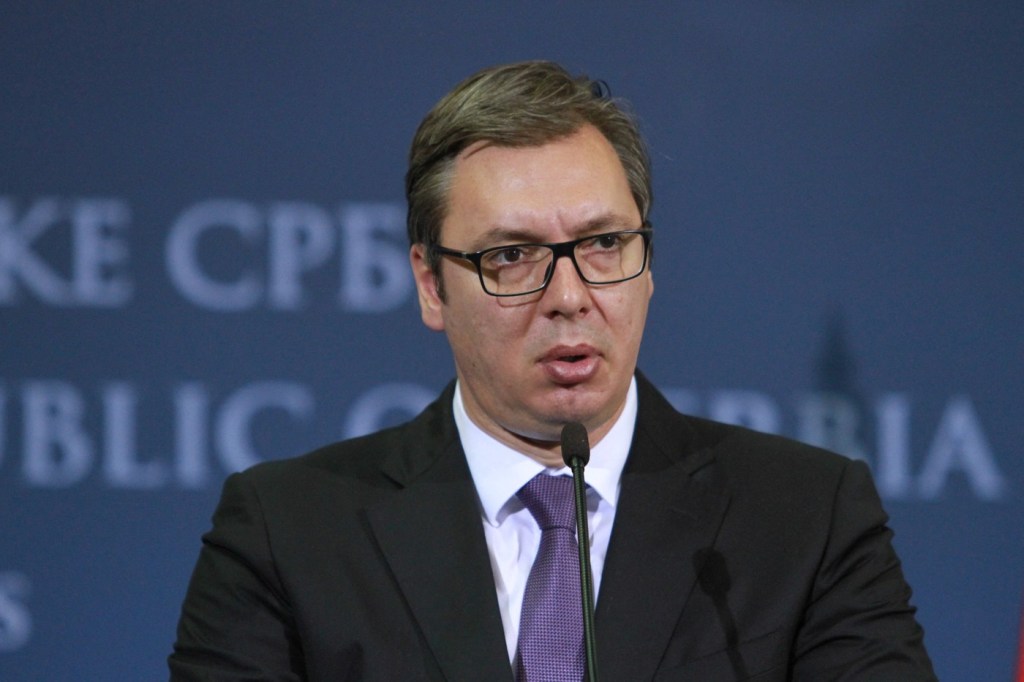 Vucic announces the “categorical conclusion” of Russia's Federal Security Service on the controversy of using a sonic weapon at an anti -government protest
Vucic is facing good months with massive protests in Serbia, being challenged by a large anti -corruption movement, led by students, who seriously shaken the autocratic regime, writes Associated Press.
They started shortly after the roof of the station in Novi Sad, a serious incident that killed 16 people. The collapse was placed by criticism on account of obscure business with Chinese construction companies and other companies that build in the Balkan country.
Also on Wednesday, the Serbian Parliament approved a new government of anti-EU ministers, including the Minister of Information, Boris Bratina, who was recently shown to set fire to an EU flag and chant “we do not want the EU, we want the union with Russia.”
The previous government fell under the pressure of protesters.
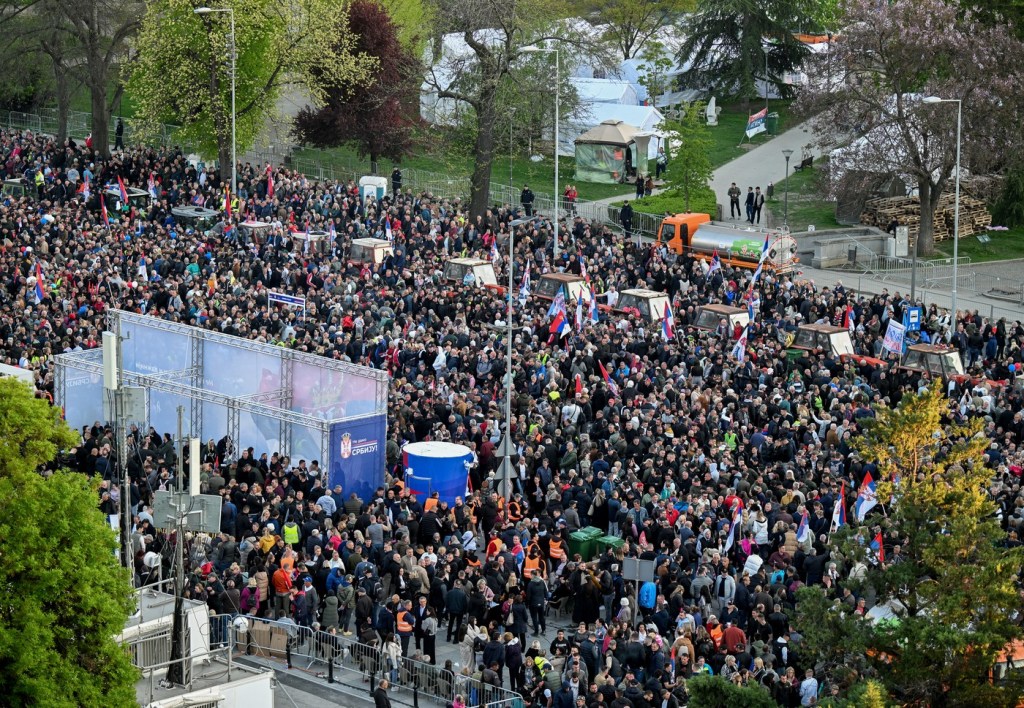 Thousands of people at a supporting rally by Serbian President Aleksandar Vucic, in Belgrade, in response to photo anti -government protests
At the same press conference on Wednesday, Vucic cited a report by the Russian espionage agency, which claimed that the information that the authorities used a sonic weapon to target the anti-Vucco protesters in March 15 are false.
Sonic weapons, which use sound waves to inability to incapate a person, are used by some regimes as crowd control devices.
“The Russian FSB categorically concluded that no sonic weapon was used,” Vucic said. He did not detail how the FSB reached this conclusion or if the agency investigated the alleged incident in Belgrade.