A businessman from a country that just became the world's 20th economy has come to Romania often and says that “Bucharest has a fantastic future!”


Two HotNews journalists traveled to Poland. They discussed with several teachers, entrepreneurs and experts, what we, in Romania, can understand from the impressive evolution of Poland.
- This article is produced within the cross-border journalistic project Pulse.
Pawel Wujec is an entrepreneur with over 20 years of experience in the media and digital industry and, in turn, talks about the potential of collaboration between Romania and Poland.
Transaction of over 20 million euros on the tourism market
“Many Polish companies invest in Romania, by buying Romanian companies or partnerships. For example, Wirtualna Polska, a huge Polish media company, of which I am on the board of directors, which has a huge tourism business, bought the Litoralul Românesc travel agency last year for over 20 million euros. And there are many such examples,” recalls the entrepreneur.
“And from a cultural point of view, I think we do well with the Romanians, they are Poland's natural partners in the region, emphasizes Pawel Wujec.
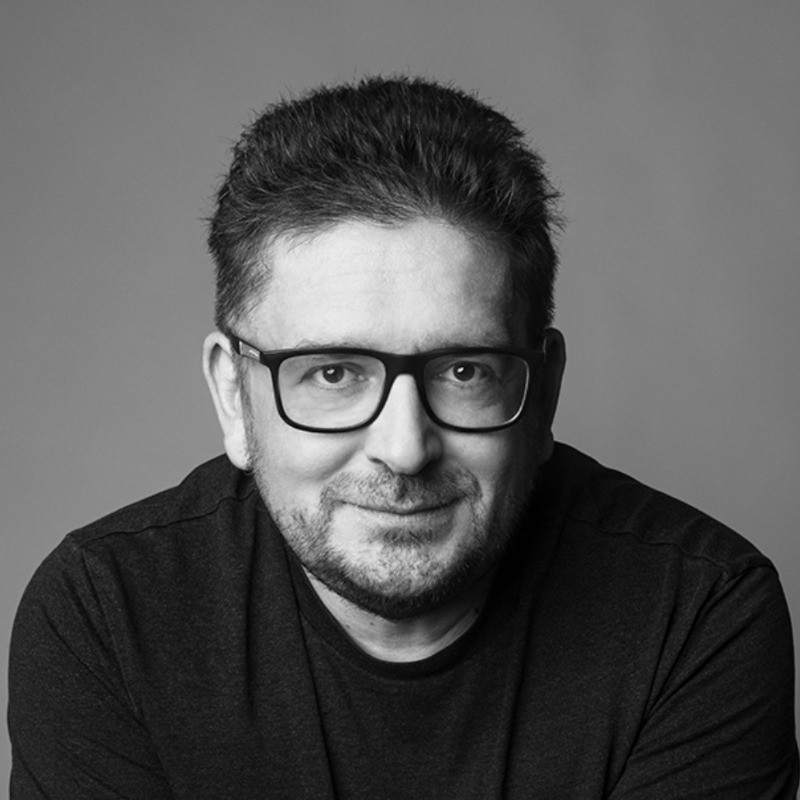
Optimistic message from Poland for Romania
According to the entrepreneur, Romania has a great potential for development in the coming years: “I think that, from an economic point of view, Romania will follow in Poland's footsteps and even “steal” some jobs from Poland, because you have a relatively large population, a very good university base, many people who know IT, economics, finance and so on, you are cheaper.”
“For large corporations that want to have service centers, this is important. Some of them will want to move people from Poland to Romania, it is true that some will even go to Kosovo because it is even cheaper. But many will try to find something cheaper, but also safe and a large reserve of talents. At the same time, the risk of war is lower in Romania,” points out Pawel Wujec, who has visited Bucharest several times.
“I think in 10 years, 80% of these will be bought, renovated and sold at very high prices. Is that good or bad? I'm not sure”
He was amazed by the derelict historic houses in the city center, but he sees even in them a potential for development. “I think in 10 years, 80% of these will be bought, renovated and sold at very high prices. Is that good or bad? I'm not sure.” He has an optimistic message for Romania and especially for Bucharest. “the capital always goes mainly to the capital and I think that Bucharest has a fantastic future”.
Journalist: Polish politicians have been talking about for a long time
Journalist Michal Kokot from Gazeta Wyborcza, the newspaper founded by Solidaritatea, the trade union movement that decisively contributed to the overthrow of communism, also brings up another time of collaboration between Romania and Poland – that in the field of security.
“In Poland, politicians from all camps have long emphasized the importance of cooperation with Romania. In general, we share similar views on the threat posed by Russia and the need for strong transatlantic ties,” says Michal Kokot.
How the war is seen from Warsaw
Poles believe in reconstruction, and history has shown that they are good at reconstruction. One of the iconic buildings in Warsaw is the Royal Castle, which was completely destroyed during World War II and rebuilt in the 1980s.
If you didn't know the story, you wouldn't even suspect that its reddish and dry walls, bathed in the autumn sunlight, were once a brickyard.
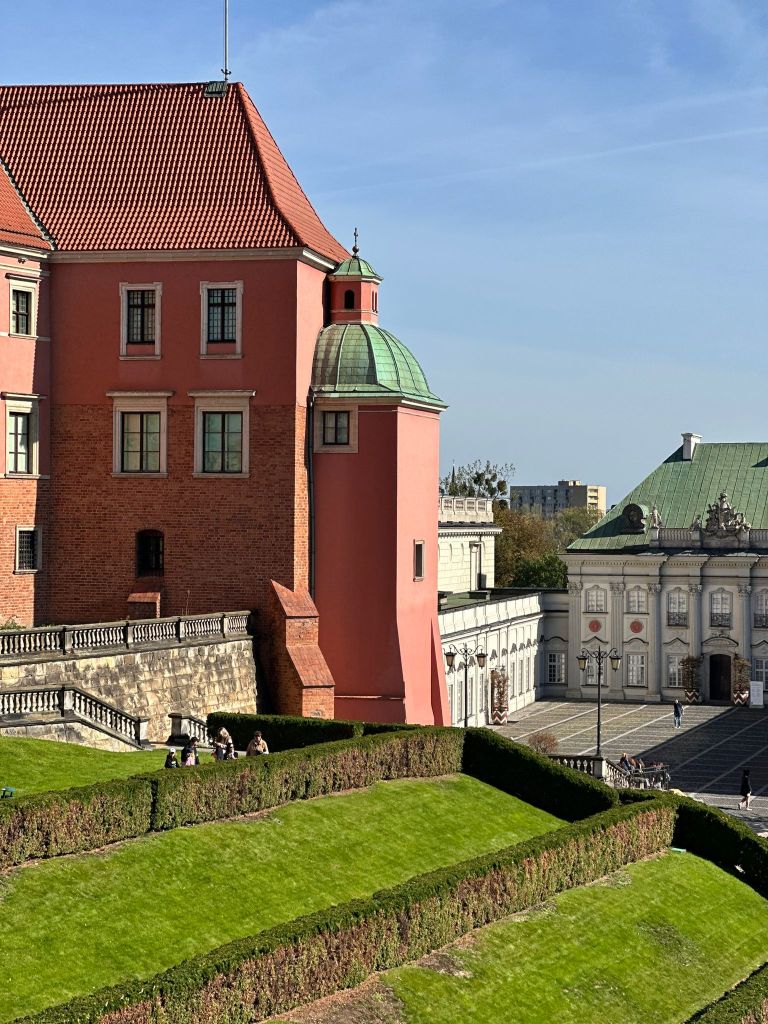
Next to it, the rust-green clock tower watches over the cobblestone square, where tourists take photos and then stop at the terraces. And again, nothing in this scene would lead you to think that there is a war going on in the country's vicinity and that its emissaries, Russian drones, entered Poland's airspace last month, causing fear especially in the eastern part of Poland.
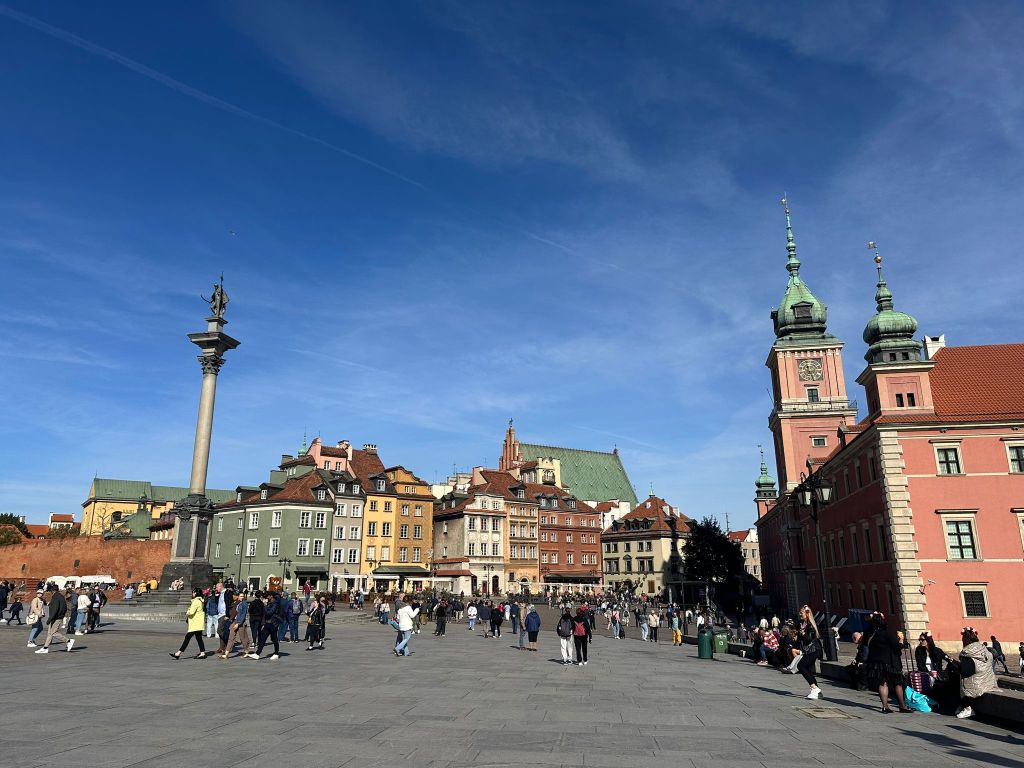
Two Romanian tourists I met here say they feel safe in the capital. “It seems to me that they are as exposed as we are in Romania. But they are perhaps even more prepared, they have better relations with other countries and more solid resources. In a way, you feel safer here,” says Ștefan.
German planes protecting the sky
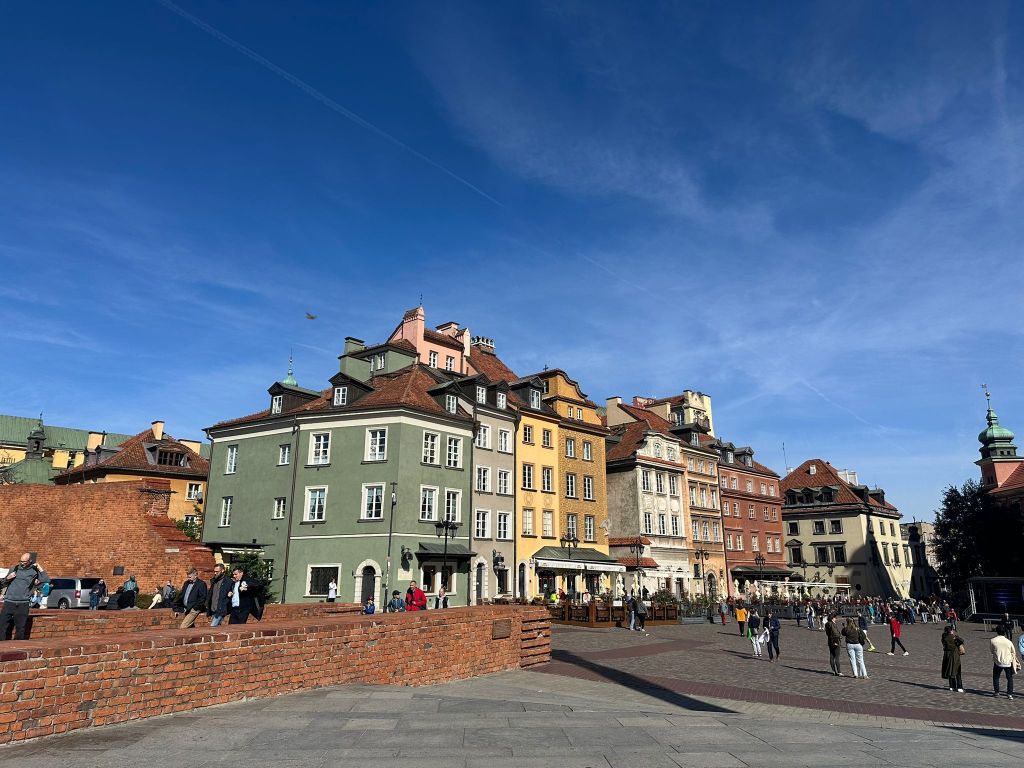
Warsaw seems immune to panic, but not to memory. In front of the Royal Castle, guides remind tourists how much of the city has been raised from ruin. One of them is Lukas, a young tourist guide in the capital. He says the day the drones appeared was “shocking” but that life quickly returned to normal. “We received official messages from the authorities, we were just told to stay away from any suspicious objects. The first day there was fear, but now everything is back to normal.”
Lukas recalls the news of a German plane rising from the ground to intercept Russian drones, living proof that times and history are changing. “Even though we are part of NATO, it was a surprise to see German planes protecting Polish skies. It was, somehow, a confirmation that we are not alone.”
“In Poland, something always happens because of Russia, so we are also used to fear”
When the war started, many Poles panicked. But in the meantime, life returned to normal. “We are used to such events,” says Patricia, 24, a tourism graduate. Her grandmother always has a bag ready “just in case”, as she says.
“Grandma always panics. But we young people don't think about war anymore. Maybe country people are more afraid. We, here, see to it. If something's going to happen, it's going to happen anyway.”
For Patricia, life goes on despite the troubling news. “The first time I was scared ten years ago when Russia attacked Crimea. Then when the war in Ukraine started. But over time I got used to it. In Poland, something always happens because of Russia, so we got used to the fear.”
On the day the drones crossed the border, he was at work in a hotel in the center of the capital. “I didn't feel panic, people were calm. In Warsaw the feeling of fear is not so strong.”
A little further, at an art museum in the center of Warsaw, we meet Peter, who comes from the south of Poland, close to the border with the Czech Republic. He works in the cultural field and came alone for a few days to the capital. His three children are waiting for him at home. “I'm scared for them. I have no control over the situation. All I can do is live in the moment and do my job the best I can. But somewhere in the back of my mind, there's this thought that something bad is going to happen.”
Polish paramedic who was at Salina Turda: “I feel like we have the same problems. Maybe that's why we understand you better”
A little further, in the Wizytek church on Krakowskie Przedmieście, we meet Przmek, a 44-year-old paramedic from Warsaw.
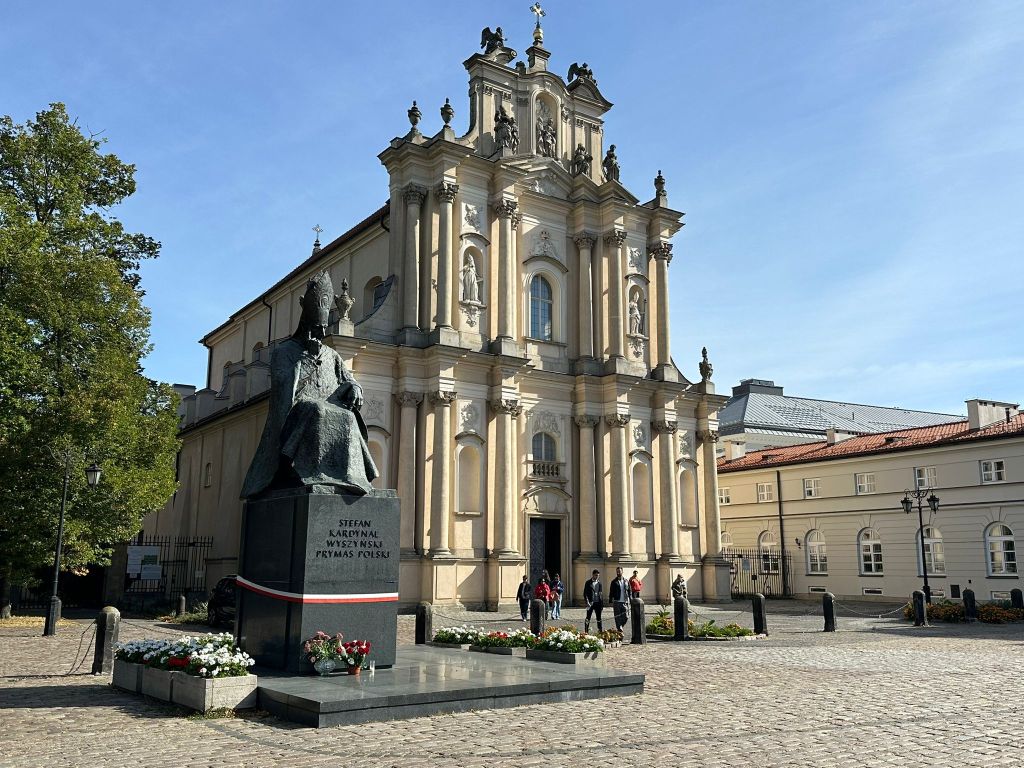
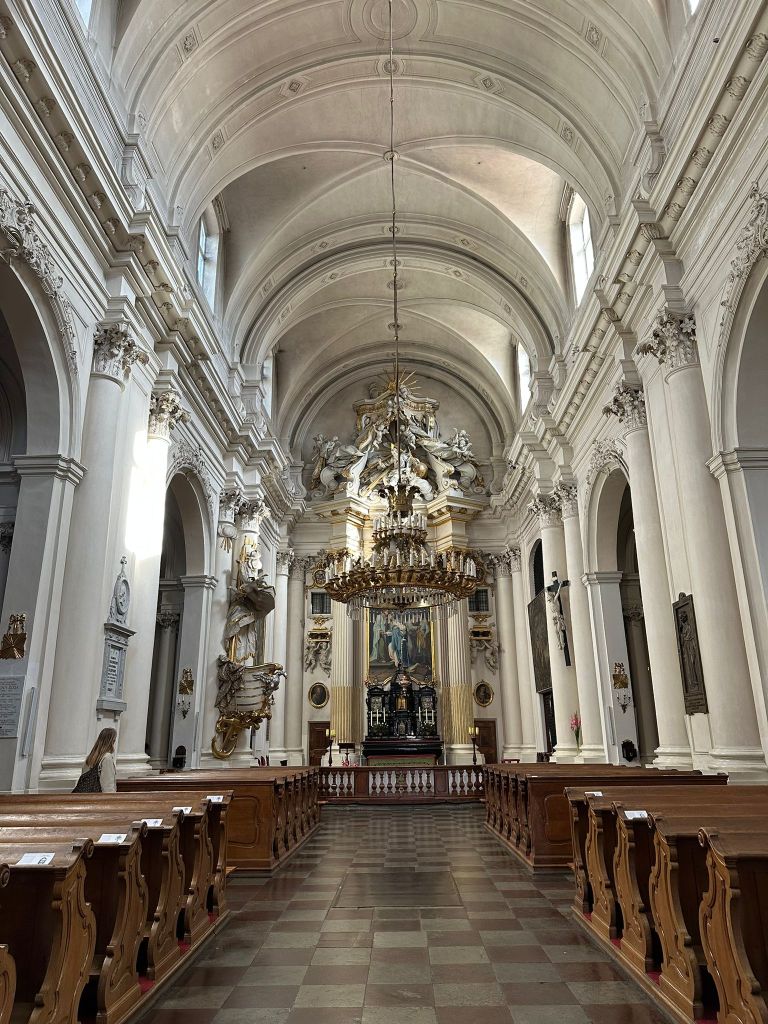
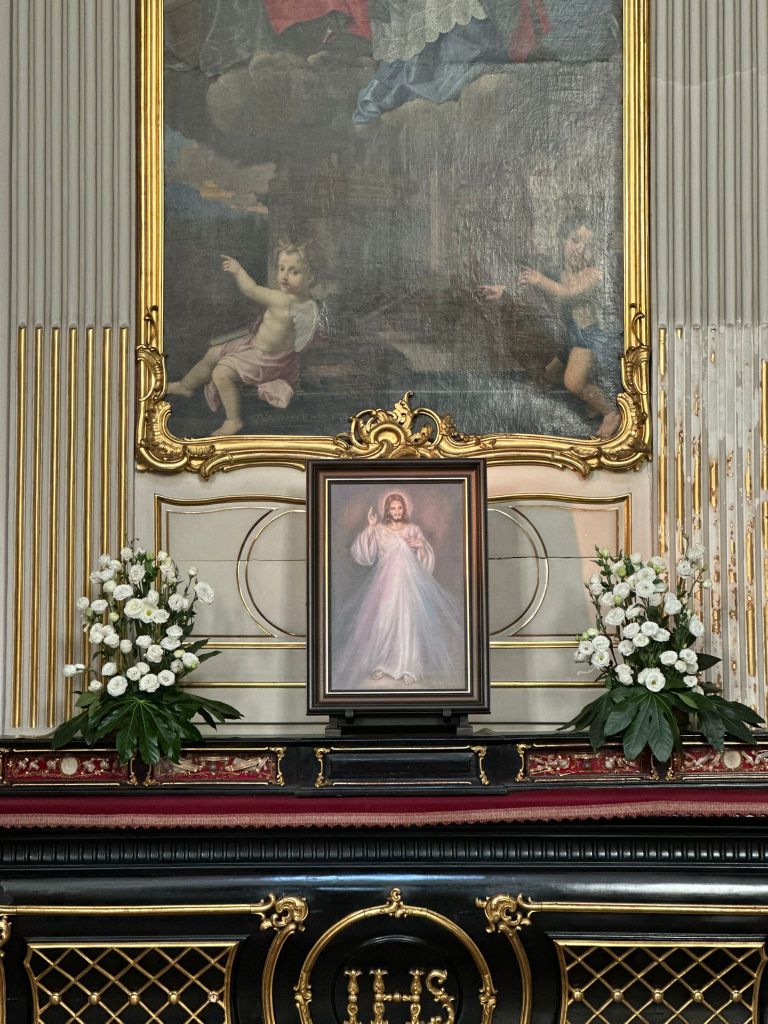
Wizytek Church in Warsaw. Photo – Adelina Mărăcine / Hotnews
Like us, he is there for the first time, although he lived for a time very close to the place of worship, which was then closed to the public. One of the nuns who take care of the place asked him to help her trim the trees in the back garden, where she then invited us.
“Of course, the Russians will do anything to threaten us,” says Przemek. “Sometimes they can do unforgivable things – kill people in Poland or start fires. I just know we have to be careful. But I don't think they can do us any more major harm.”
He remembers the day the government sent out the alert messages. “Yes, I remember. But it wasn't the first time. It was a shock the first day, but now… now everything seems normal again.”
After a few minutes, the conversation naturally moves to Romania and we learn that he visited it and that he came away with pleasant memories. “I went to Salina Turda, I think four years ago. I liked it a lot. I went twice before, on vacation. Simply as a tourist. When Romanian films are broadcast on TV, I watch them. I feel that we have the same problems, both political and social. Maybe that's why we understand you better.”
The experience of being a tourist in Romania is common to many Poles, emphasizes journalist Michal Kokot. “I think that tourism could have great potential. Many Poles who travel to Romania emphasize the beauty of nature. This is an asset that Romania could capitalize on,” he believes.
When we went to Poland, we wanted to see how the war nearby affects the lives of people here. I discovered a country that, like Romania, is now experiencing its best period in history from an economic and social point of view. Despite all the difficulties and grievances, both have something to defend, people say.

The PULSE project is a European initiative to promote cross-border journalistic partnerships, co-financed by the European Commission (DG CONNECT) within the Multimedia Actions through grant agreement LC-02772862. HotNews.ro collaborates in the project with other prestigious publications from Europe: Delfi (Lithuania), Deník Referendum (Czech Republic), the largest Austrian newspaper Der Standard (Austria), some of the largest publications in Greece – EFSYN, El Confidencial – Spain, the largest Polish newspaper Gazeta Wyborcza, the oldest Bulgarian analytical and informational website Mediapool, one of the largest independent Hungarian publications HVG and Italian economic newspaper Il Sole 24 Ore, one of the oldest and strongest publications in the Peninsula.
Three renowned transnational media organizations – OBCT (Italy), N-ost (Germany) and Voxeurop (France) will coordinate the project activities.