Tax evasion has become “chronic” in Italy. Over 100 billion euros not collected by the state


Tax evasion in Italy has become a “chronic” problem, rising over the past four years after a period of decline, and its scale has exceeded official estimates, the latest government data shows.
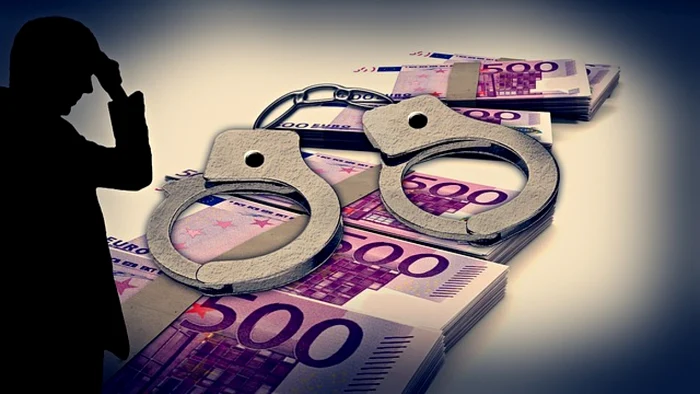
Uncollected taxes and contributions in Italy exceeded 100 billion euros. Archive photo
Tax evasion is a politically sensitive issue in Italy. The data released on Monday mainly covers the period before Prime Minister Giorgia Meloni took office in October 2022, but could have an impact on the debate over changes to Meloni's inherited policies.
Meloni argued that past crackdowns had not worked and called for a softer approach to tax collection, including raising the cap on cash payments and offering numerous tax amnesties. Its opponents say that these measures will worsen the situation.
According to a report by a government-appointed commission, which has not yet been published but was seen by Reuters, the estimated maximum amount of uncollected taxes and social contributions rose by 3.5 billion euros to 102.5 billion euros in 2022, from 99 billion euros in 2021.
This after, in 2021, tax evasion increased by approximately 2.4 billion euros compared to 2020.
Italy publishes its sensitive estimates of tax evasion with a three-year lag, so governments cannot include potentially temporary increases in their government revenues.
The new figures take into account data from the 2024 review of state accounts by the statistics office ISTAT, as well as a new methodology that led to a major revision of previous estimates of tax evasion.
Several Italian governments have claimed that the problem of tax evasion is diminishing, citing a downward trend. But according to the new figures, the total improvement from 2018 to 2022 was, at best, only €5.9 billion, well below the €26 billion between 2017 and 2021, indicated in the previous report published at the end of last year.
Economists believe that the improvement in propensity to pay taxes is due to rules gradually introduced since 2011, which have promoted traceable digital payments and tightened controls.
Among the measures taken so far by Meloni, with the idea of mitigating the fight against evasion, is the raising of the ceiling for cash payments from 1,000 euros to 5,000 euros. Meloni was forced to abandon a proposal to reduce penalties against merchants who refuse to accept more transparent digital payments, following criticism from the European Commission
Budget 2026, announced this month, includes a wide-ranging tax amnesty, allowing people who have defaulted on their tax bills by 2023 to settle their tax dispute without penalties or interest.