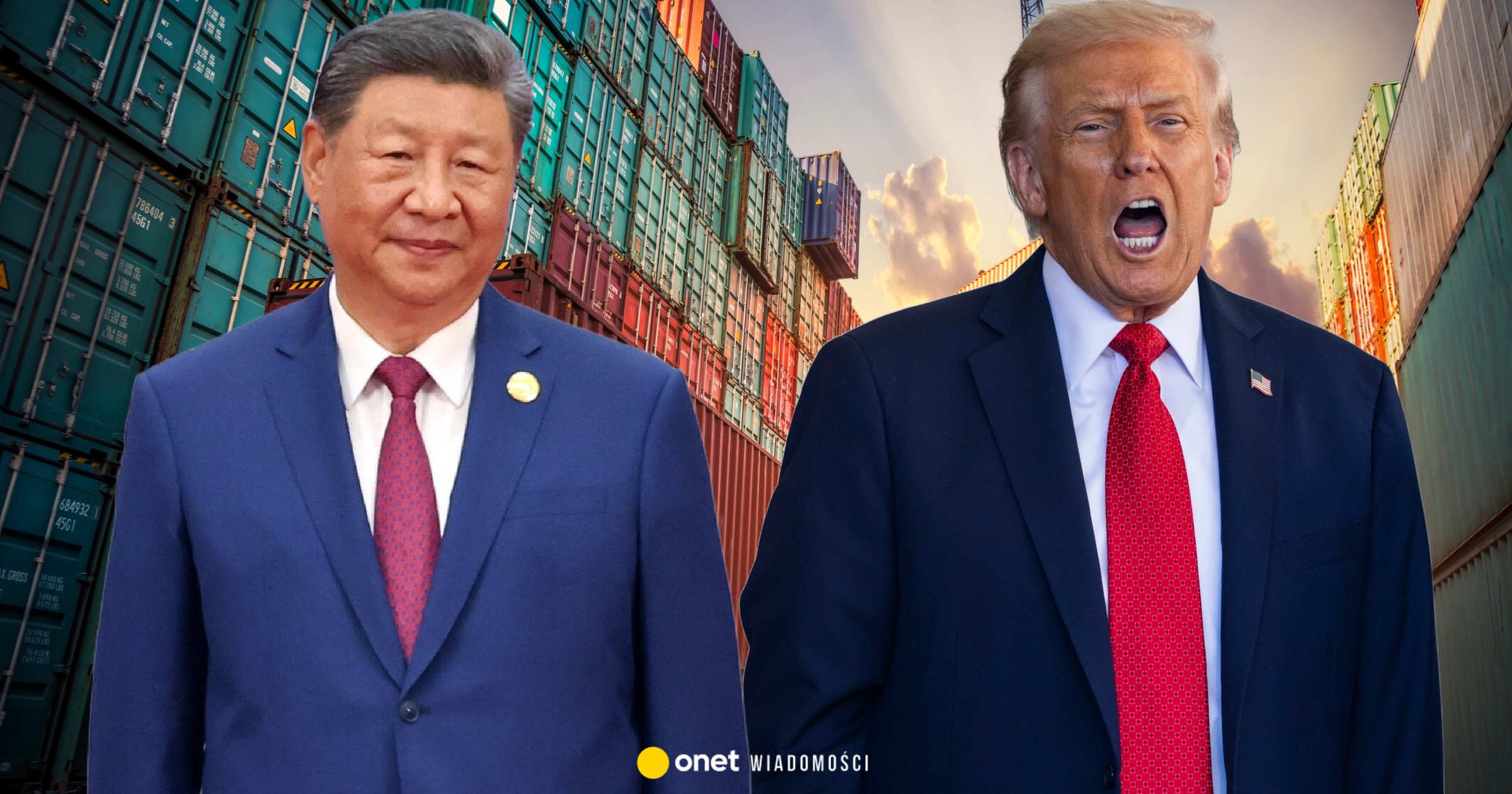
On October 13, US Treasury Secretary Scott Bessent told the Financial Times that China, concerned about its own weak growth, wants to “pull everyone else down with it.” This was his interpretation export controls presented by China on October 9. They give them new powers to choke supply chains of Chinese-made rare earth minerals and products containing even trace amounts of them — including permanent magnets used in everything from cars to fighter jets.
To top it all off, Chinese authorities have announced rules that will allow them to restrict exports of high-performance batteries, as well as foreign sales of technology needed to process rare earth metals or produce batteries outside China. As investors and governments around the world began to panic, President Donald Trump ratcheted up the tension.
Giving China a deadline of November 1 to withdrawhe threatened additional 100 percent tariffs on Chinese goods and export controls on key software. Trump complained that he saw “no reason” for a planned meeting with Xi Jinping, China's leader, at the APEC summit in late October, although he later suggested it might take place.
China responded to the American outrage. On October 12, China's Ministry of Commerce accused America of announcing “a series of new restrictive measures” against Chinese interests. Earlier in September, trade talks in Madrid reportedly ended with a promise to avoid new restrictions. Chinese officials made clear they felt betrayed when America extended bans on trade with sanctioned Chinese companies to also include their subsidiaries.
The article continues below the video
The Chinese Ministry of Commerce, in turn, emphasizes that China's latest restrictions are an attempt to protect the security and stability of global supply chains – because rare earth metals have many military applications, China controls their sale “to better defend world peace”. Given that Ukraine is being bombarded by Russian drones and missiles equipped with Chinese components, Western diplomats in Beijing call the ministry's words about world peace “ridiculous.”
In this matter, the Chinese followed the example of the Americans
Non-American diplomats and executives suspect their disbelief is irrelevant to Chinese authorities they are overwhelmingly focused on competing with America. Foreigners suggest that the Communist Party leadership is not entirely wrong in believing that America is trying to contain China.
Both Trump and his predecessor, Joe Biden, actually did much to deny China advanced computer chips and the means to produce them. Diplomats joke that it's the latest Chinese trade rules copy US restrictions so thoroughly, including inspections of supply chains anywhere on Earth, that officials in Washington should sue China for intellectual property theft.
In this competition between great powers, smaller trading partners are harmed. Despite China's promises to license legal rare earth users, foreign companies have had difficulty obtaining permits since the first wave of inspections in April.
According to the European Union Chamber of Commerce in China by early September, China had approved just 19 of 141 license applications submitted by European companies. Frustration continues as Chinese officials require foreign companies to hand over sensitive product design data to obtain licenses.
Western officials note that Chinese officials are “emboldened” that April's first round of controls on rare earths and permanent magnets caused panic among U.S. automakers and other companies. This then prompted Trump to reduce tariffs imposed on China. However, China is giving its trading partners new reasons to distrust its growing position.
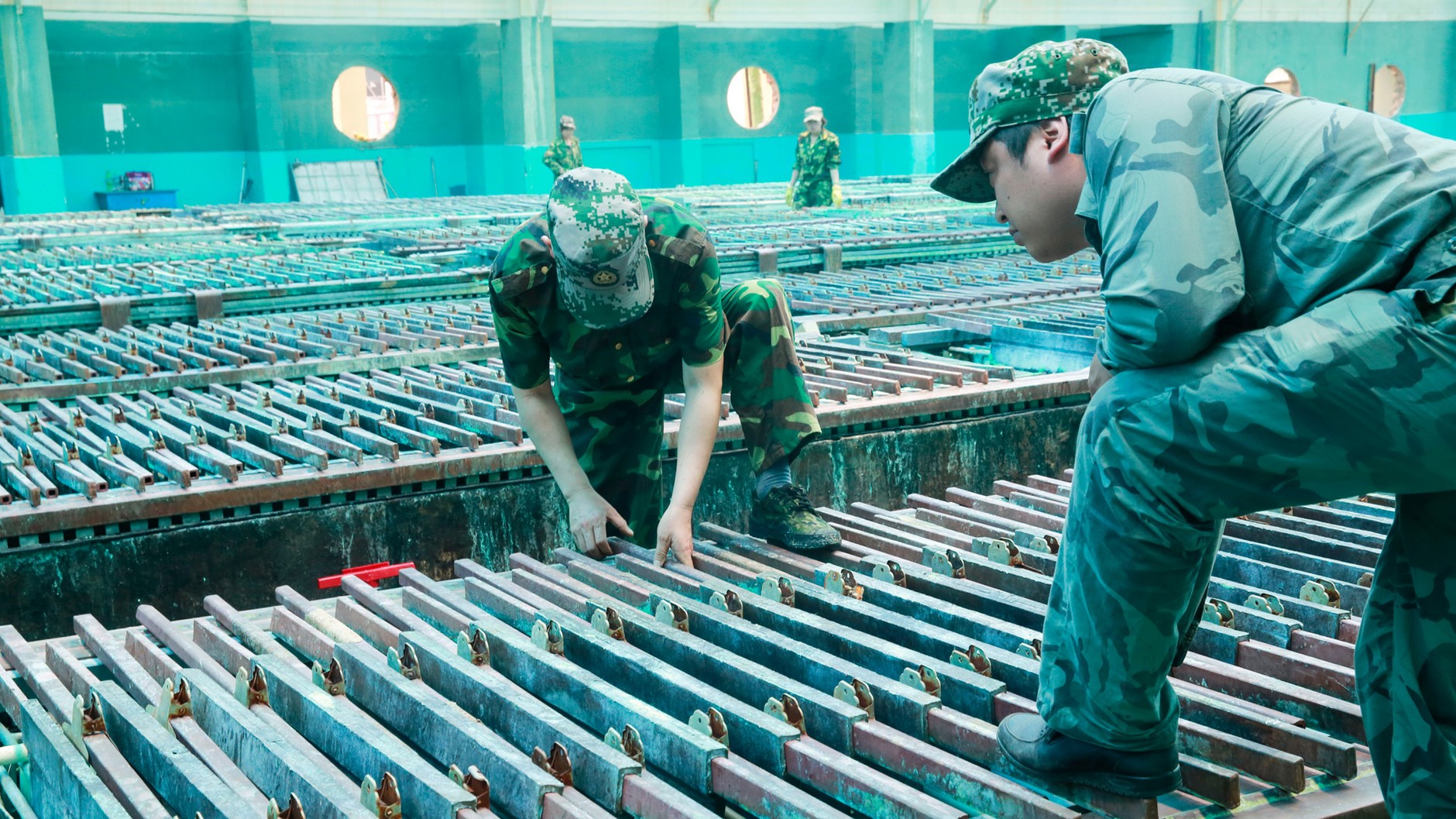
Rare earth processing plant in Xinyu. Illustrative photohumphery / Shutterstock
China risks losing much of the diplomatic advantage it has gained as a green technology superpower. Many controlled minerals are part of low-carbon technologies, from wind turbines to batteries. Using green technology for blackmail, China has reached for an economic weapon.
The Chinese want to impress Trump
China's shows of force are aimed at one audience. The American president tempts China. During Trump's first term, a senior Chinese official told this author that the US president was a man driven by his own commercial and political interests who had been “taken over” by anti-China hawks.
Jia Qingguo of Peking University, who sits on a body advising Chinese political decision-makers, says that Trump, by “moving away from ideology,” is creating “space for pragmatic agreements.” However, in reality an agreement between Trump and Xi, requiring major political concessions, would be difficult given their countries' mutual distrust. Still, anti-China hawks should prepare for Trump to break their hearts because he doesn't disapprove of Xi as much as they do.
In a social media post on October 12, Trump declared: “Don't worry about China, everything will be fine! The very honorable President Xi just had a bad moment.”
The Communist Party and MAGA agree on at least one point. In a brutal world, domination is a surer path to safety than the admiration of friends. Other countries may not like where the trade war between America and China is heading. But their views will not be taken into account.
I’m Ashley Davis as an editor, I’m committed to upholding the highest standards of integrity and accuracy in every piece we publish. My work is driven by curiosity, a passion for truth, and a belief that journalism plays a crucial role in shaping public discourse. I strive to tell stories that not only inform but also inspire action and conversation.