According to information provided by the Ministry of Defense, the operation was carried out under direct NATO command and was the first case of its kind in history.
Read also: UniCredit returns to Poland. What changes await banking customers?
Russian provocation in the North Sea. Great Britain sent a special ship
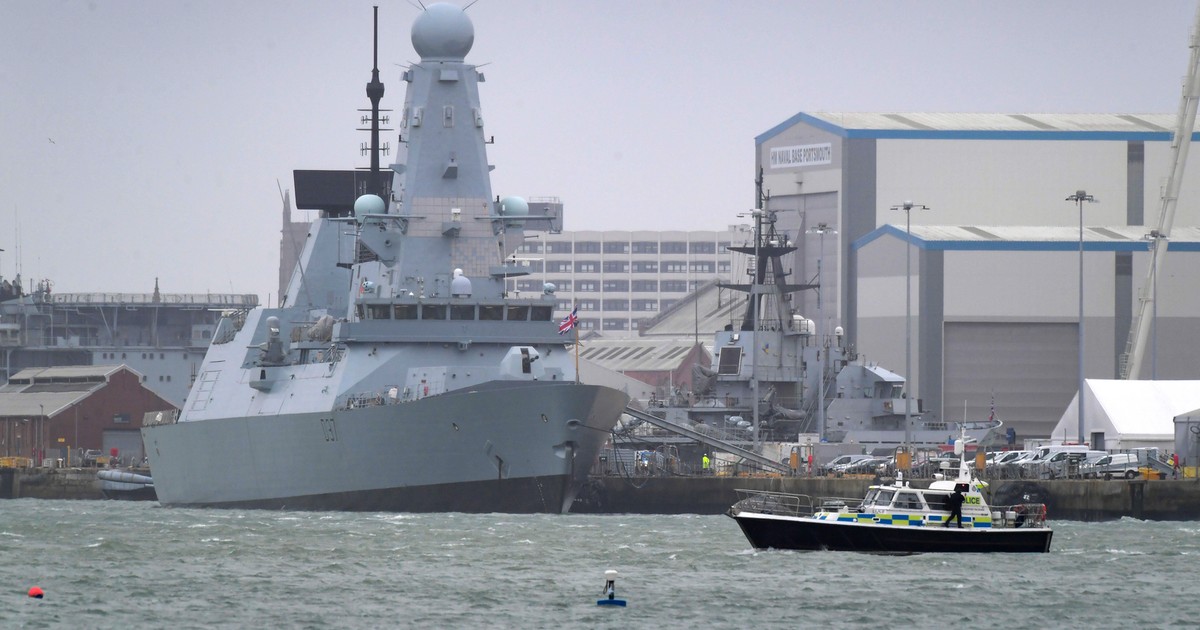
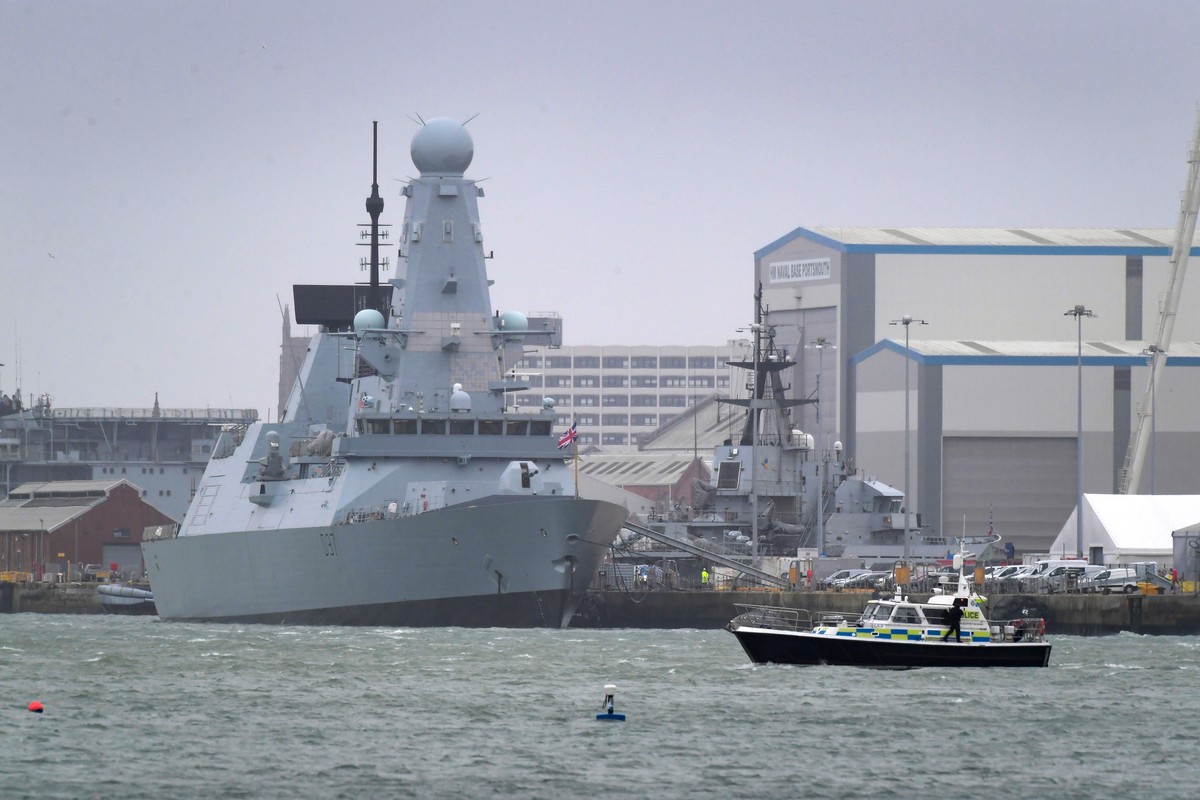
According to the Royal Navy, the action has been taken decision to send a special warship, HMS Duncan. This was announced by the NATO Naval Command based in Northwood, Hertfordshire. The ship was directed to intercept a Russian vessel – the destroyer Vice Admiral Kulakov – after it was located near British territorial waters in the North Sea.
The Russian ship was monitored from the moment it crossed the English Channel to the island of Ouessant, off the north-western coast of France. The operation lasted from Friday to Sunday and included actions both at sea and in the air. The mission involved a Wildcat helicopter, supported by the Dutch Air Force and French Navy units.
— The Royal Navy is ready to respond to any actions by the Russian Navy – said Alistair Carns, the British deputy defense minister. “We conduct continuous monitoring operations to protect the UK and our territorial waters,” he added.
Read also: A key summit of EU leaders. They will deal with the reparations loan for Ukraine and the ETS2 emissions fee
The commander of HMS Duncan, Commander Dan Lee, emphasized that the operation was not only proof of the efficiency of the Royal Navy, but also confirmation of effective allied cooperation within NATO. “This operation underlines the Royal Navy's commitment to protecting UK territorial waters and working seamlessly with our NATO allies to ensure the security of our shared maritime areas,” he said.
What is the British ship HMS Duncan?
HMS Duncan is Type 45 guided missile destroyer, one of the most modern ships in the British fleet. The unit is part of the Standing NATO Maritime Group 2, operating in the North Atlantic and the North Sea.
According to the British Ministry of Defense, recent months have seen an increase in Russian naval activity in the British Isles, which prompted London to tighten operational cooperation with allies within NATO structures.
The mission is intended to be a signal that Great Britain – in close coordination with the alliance command – maintains full readiness to respond to any violations of its waters and maritime space.