In modern warfare, technological innovations play an important role. It is therefore not surprising that slogans such as “miracle weapons”, “super missiles” and “high-tech drones” are often encountered. New ideas are crucial for Ukraine. Kiev's troops are there under pressure. Russian drones patrolling the sky above the front in particular pose a constant threat.
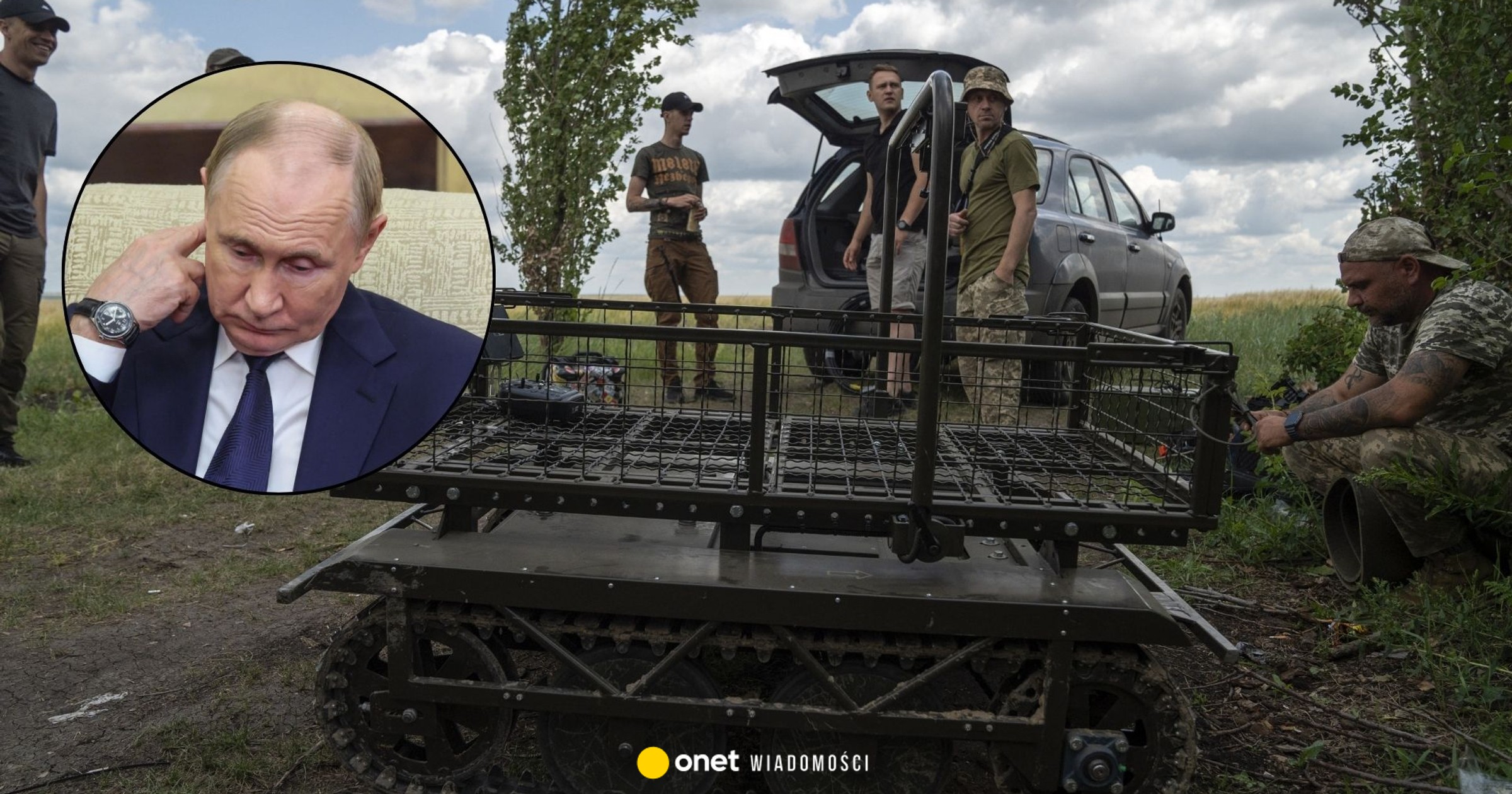
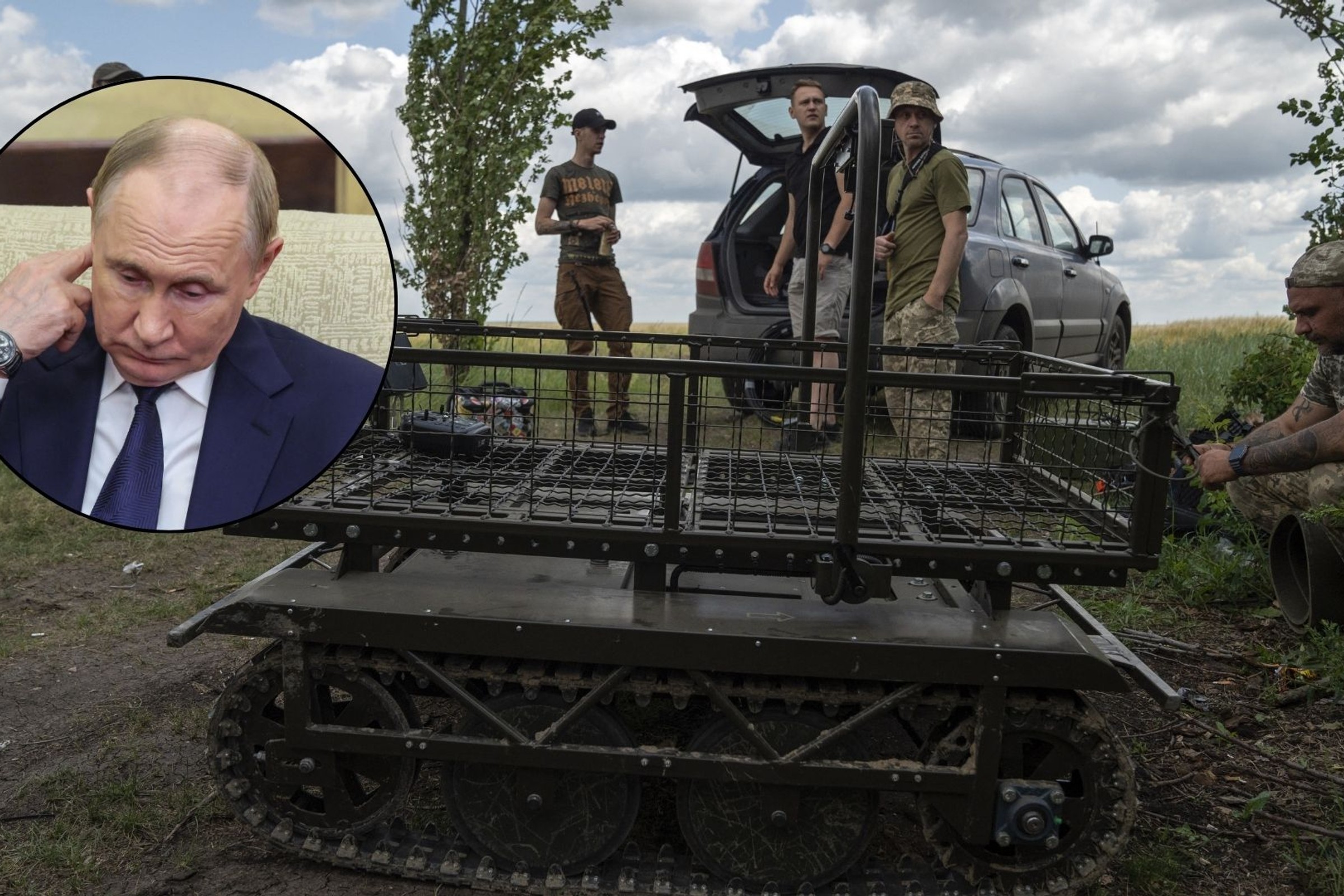
Thanks unmanned ground vehicles (UGV) troops can traverse areas behind the front line, known as the kill zone, without putting soldiers in danger.
“All the drones in the sky mean we have to use bigger ground vehicles. They save lives – it's as simple as that,” a soldier nicknamed Hornet tells The Sun.
Ground-based drones are different size – from small, portable units to small delivery vehicles. Some are equipped with wheels or tracks, others can lay land mines or are equipped with grenade launchers and heavy machine guns.
The largest model, Track 1000can carry up to 800 kg of cargo and cover almost 40 km at a speed of up to 16 km per hour. The Sun's journalists watched as soldiers loaded Tor 1000 with supplies – including wooden pallets for wet trenches, batteries for radio equipment and a drone that can carry five to six mortar grenades.
The article continues below the video
“I feel more useful as a drone operator”
The vehicle is transported on a trailer to a secret starting point. Under the cover of darkness, he begins his mission. It is operated from command posts — the pilot uses a game console for this.
Operators have very diverse backgrounds. One of them is a US-born doctor. Another one has the nickname “Producer” and is a rap producer by profession. The third is a former soldier, “Nike”. 25-year-old Nike emphasizes the importance of this technology. “I've seen too many deaths. I like the idea reducing the number of people who have to fight on the front“- he tells journalists.
“I feel more useful as a drone operator than as a dermatologist,” adds a 39-year-old doctor who goes by the nickname Turok.
The fact is that the Russian introduction of fiberglass drones has increased the risk to Ukrainian soldiers in rural areas. They are resistant to electronic interference and can fly up to 40 km. They remain connected to the operator via optical fibers.
The future of the front
In this case, UGVs are an important countermeasure. “Every mission we do means one person doesn't have to take that risk. This is the future,” concludes the “Producer” rapper.
The so-called the death zone is the area where a military has the potential to achieve maximum destruction of its opponent. In Russia's war against Ukraine, the term often denotes places where warring forces lure their opponents in order to destroy them.
According to the Militarnyj website, in 2024 the death zone was approximately 500 m to 2 km, at the beginning of May 2025 it expanded to 5 km, and in some directions to 7 km.
“At the current stage of the war, strike drones define the reality of the battlefield, and the death zone already reaches 10 km,” said the Supreme Commander of the Armed Forces of Ukraine, General Oleksandr Syrski.
I’m Ashley Davis as an editor, I’m committed to upholding the highest standards of integrity and accuracy in every piece we publish. My work is driven by curiosity, a passion for truth, and a belief that journalism plays a crucial role in shaping public discourse. I strive to tell stories that not only inform but also inspire action and conversation.