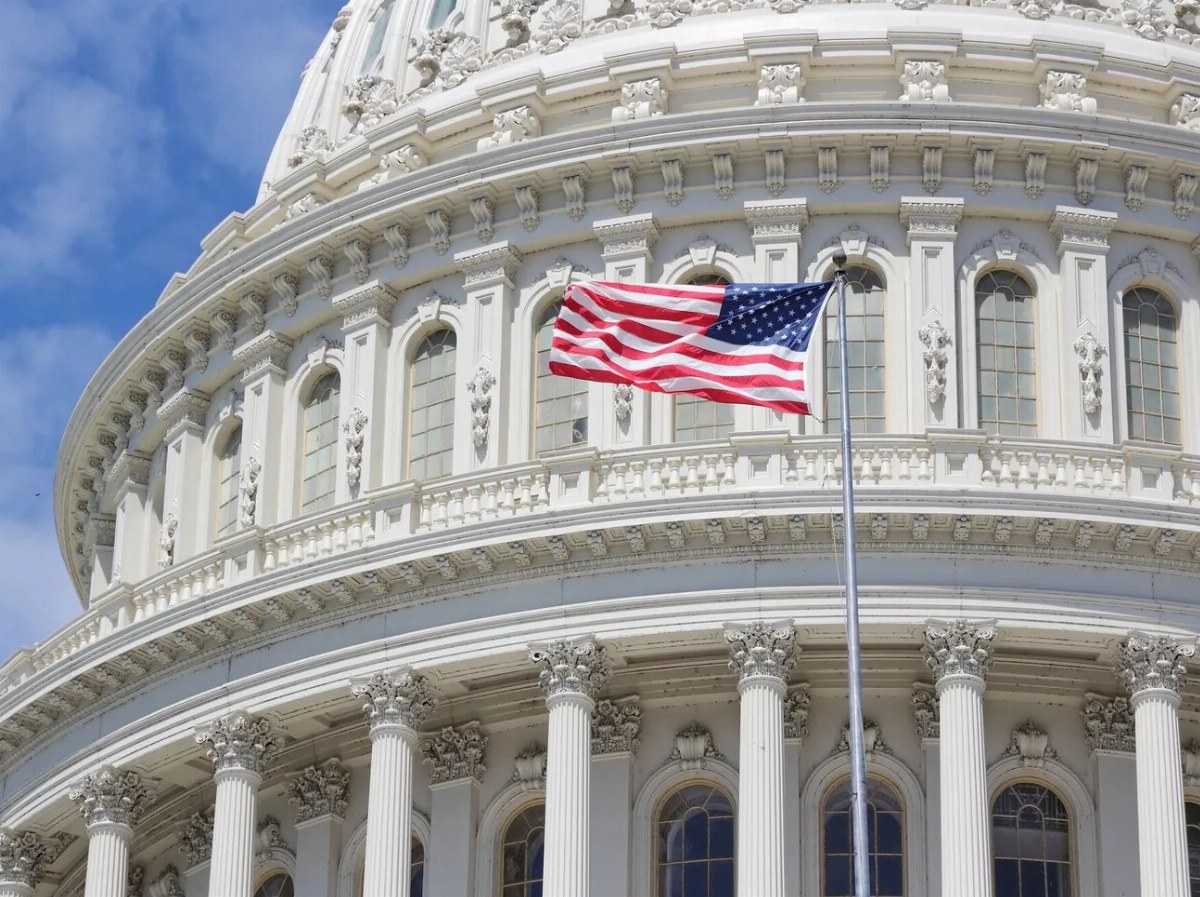
Congress returns to work after elections
Lawmakers from both parties have expressed their disapproval of President Trump’s recent executive order, which is part of a series of actions intended to strengthen ties between the United States and Russian President Vladimir Putin, according to reports.
Republican Senator Thom Tillis criticized the president’s decision as “extremely irresponsible,” reminding that the Senate had previously passed legislation supporting sanctions with an overwhelming vote of 86 to 11. He accused the Trump administration of capitulating to Putin.
Democratic Senate leader Chuck Schumer asserted that by supporting the Russian economy, Trump’s deal is becoming increasingly detrimental.
Senator Elizabeth Warren added that Trump is blatantly disregarding Congress and enabling Putin to continue the war in Ukraine. She urged fellow lawmakers to take action to “alter the course” of U.S. policy.
However, with the House of Representatives and the Senate on recess until after the elections scheduled for November 3, any potential congressional actions against Trump’s move appear unlikely until lawmakers return to Washington.
Context
- On October 16, Trump signed an order rejecting the implementation of sanctions and tariffs against Russia that were mandated under the “Hellish Sanctions” law proposed by Senator Lindsey Graham. He cited “the national interests of the United States” as justification for his decision, which he claimed would benefit the world.
- Democratic Senator Richard Blumenthal, who co-authored the “Hellish Sanctions” legislation with Graham, described Trump’s action as “shameful and cowardly,” calling on Republicans to condemn it.
- The “Hellish Sanctions” bill includes provisions for sanctions against Russian officials and empowers the U.S. president to impose 500% tariffs on Russian oil, gas, petroleum products, petrochemicals, and coal imported to the U.S. It also includes secondary 100% tariffs for countries that import Russian oil and gas or assist in circumventing sanctions, limited to five years.
- The Senate approved the bill on August 7, and the House of Representatives followed suit on September 17. The document was signed by the American president on September 18, giving him 30 days to identify individuals and organizations that meet the criteria for sanctions.
- Media reports indicate that Trump’s order does not affect certain sanctions against Russia established by previous orders.