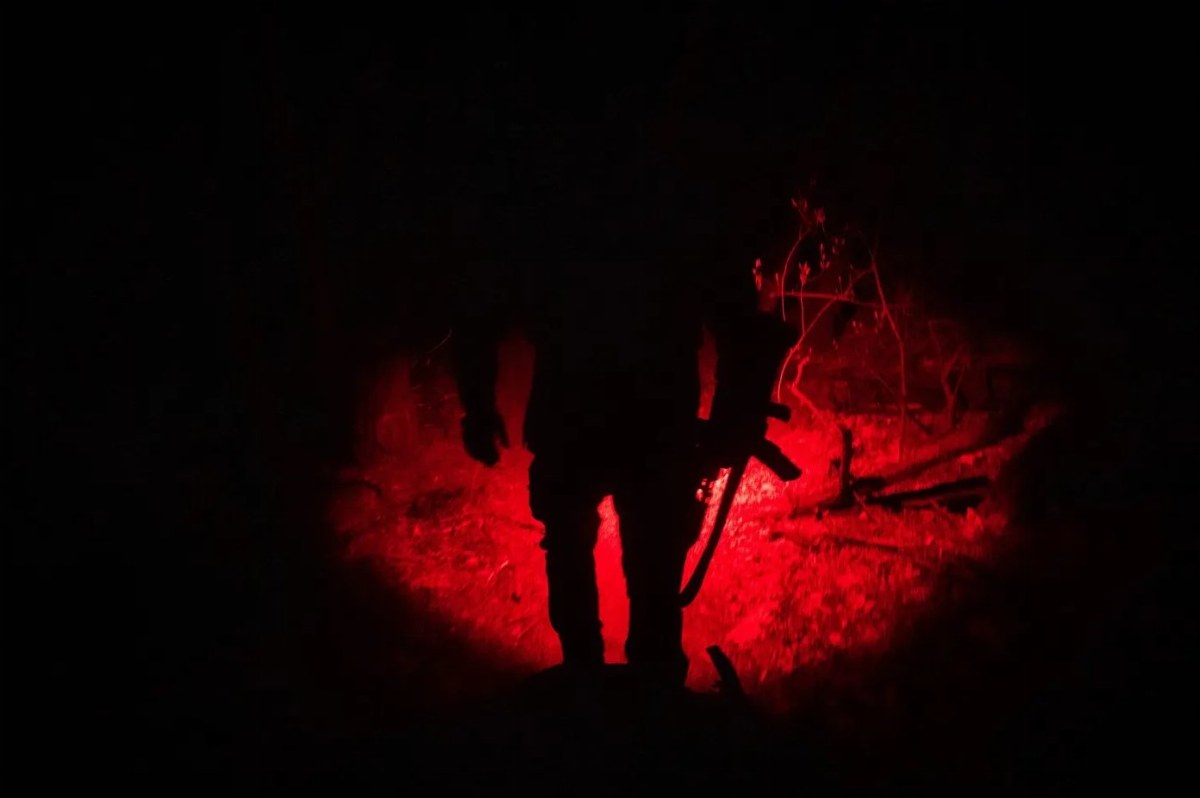
Ukrainian President Volodymyr Zelensky announced on Sunday that significant military achievements have been made at the front near Liman in the Donetsk region. This information was relayed to him by the Commander-in-Chief of the Ukrainian Armed Forces, Mykhailo Drapatiy.
In his message, Zelensky noted, “Our troops have achieved important results at the Liman front as part of the “Vivaldi” operation, as well as the airborne assault troops in one of our other active defense operations.” He emphasized that the Russian occupiers continue to face elimination and that established objectives are being met.
Areas of Intense Combat
This week, Zelensky reported that Ukrainian units have neutralized 10,660 Russian soldiers—both dead and wounded—across all active combat zones. He confirmed that each of these losses is supported by video evidence.
Zelensky highlighted that the fiercest battles are taking place in the Pokrovsk, Kostiantynivka, and Liman sectors, with operations also ongoing in the Zaporizhzhia, Kharkiv, and Sumy regions. He stated that he and Drapatiy have decided on the next steps at the front, as reported by EFE and Agerpres.
Russian Attacks Claim Eight Lives
In the last 24 hours, Russian strikes resulted in the deaths of eight individuals in Ukraine, as Kiev reported on Sunday. This announcement followed Moscow’s pledge to continue its military campaign “regardless of circumstances.”
Three Russian aerial bombs exploded in central Sumy (northern Ukraine), hitting a children’s center and killing two people, including a 16-year-old girl, according to Ukraine’s Minister of Internal Affairs, Ivan Vygivski.
Authorities in the southern Odesa region reported a “massive attack” resulting in one more fatality. Earlier on Sunday, President Zelensky indicated that three people had died from overnight strikes in the southern Zaporizhzhia region.
Additionally, Russian strikes on the capital, Kiev, and its outskirts killed one person and injured four others, damaging over 16 buildings, both residential and industrial. A man was also killed by a Russian drone in the Bucha district of the Kiev region.
In Kiev, the headquarters of mobile operator Kyivstar, one of the country’s main telecommunications providers, was damaged by the bombardments, though no casualties were reported.
Recently, Moscow’s bombardments have targeted data centers, causing internet access issues in some areas. Over the past week, Russia attacked Ukraine using more than 2,200 long-range drones, 1,650 aerial bombs, and 38 missiles, according to Zelensky’s weekly summary.
Humanitarian Crisis in Oleshki
Kiev has accused Moscow of creating a humanitarian crisis in Oleshki, located in the Russian-occupied Herson region, by obstructing the delivery of aid and evacuating civilians due to a de facto blockade. On Sunday, the head of the Ukrainian administration in Herson, Oleksandr Prokudin, announced that a major food delivery operation using drones had allowed four tons of food products to be delivered to the city.
Prokudin stated that around 2,000 people are effectively “hostages” of Moscow in this hard-to-access locality, situated along the front line on the banks of the Dnieper River.
Internet Access Targeted in Russian Attacks
Internet access has become the latest target of Russian air strikes in Ukraine, aiming to disrupt network communications and weaken the economy. At least 100,000 users and nine internet providers in Kiev and nearby cities, including UTELS, Etherlink, and MiroHost, have reported disruptions after Russian drones damaged several data centers in the capital this week.
Authorities are advising citizens to keep cash and hard copies of essential documents at hand, amid concerns that Russia might try to disrupt internet access throughout Ukraine, in addition to attacking the energy system and other infrastructures.
These new attacks are also viewed as part of Russia’s war of attrition, targeting Ukraine’s economy, similar to drone and missile strikes on port infrastructures, while Ukraine retaliates by targeting similar facilities in Russia and intensifying strikes on its refineries.
Currently, major companies and services reliant on stable internet access, such as banks and government platforms, have not been significantly affected. However, some websites are unavailable, and services like YouTube, which depend on a vast network of data centers, are sometimes slower.
Regarding the Ukrainian military, it may not be significantly impacted by the attacks on digital infrastructure, as it relies on satellite internet systems like Starlink provided by the U.S. and alternative channels to maintain battlefield visibility and communicate information.
However, the economy and individual consumers, many of whom require stable internet access for their professional activities, remain more vulnerable, although the situation is not yet critical.
“Ukraine has extremely decentralized internet channels, therefore the entire country or even whole regions or cities will not lose internet access,” assured Sergii Bezkrestnov, an advisor to President Zelensky on technology. “There may be local interruptions that we expect providers to resolve quickly,” he added.
To avoid the destruction of platforms and network data, many Ukrainian companies, government institutions, and educational facilities transferred their data to overseas data centers in 2022 after the Russian invasion began, and some are now resorting to this measure again.