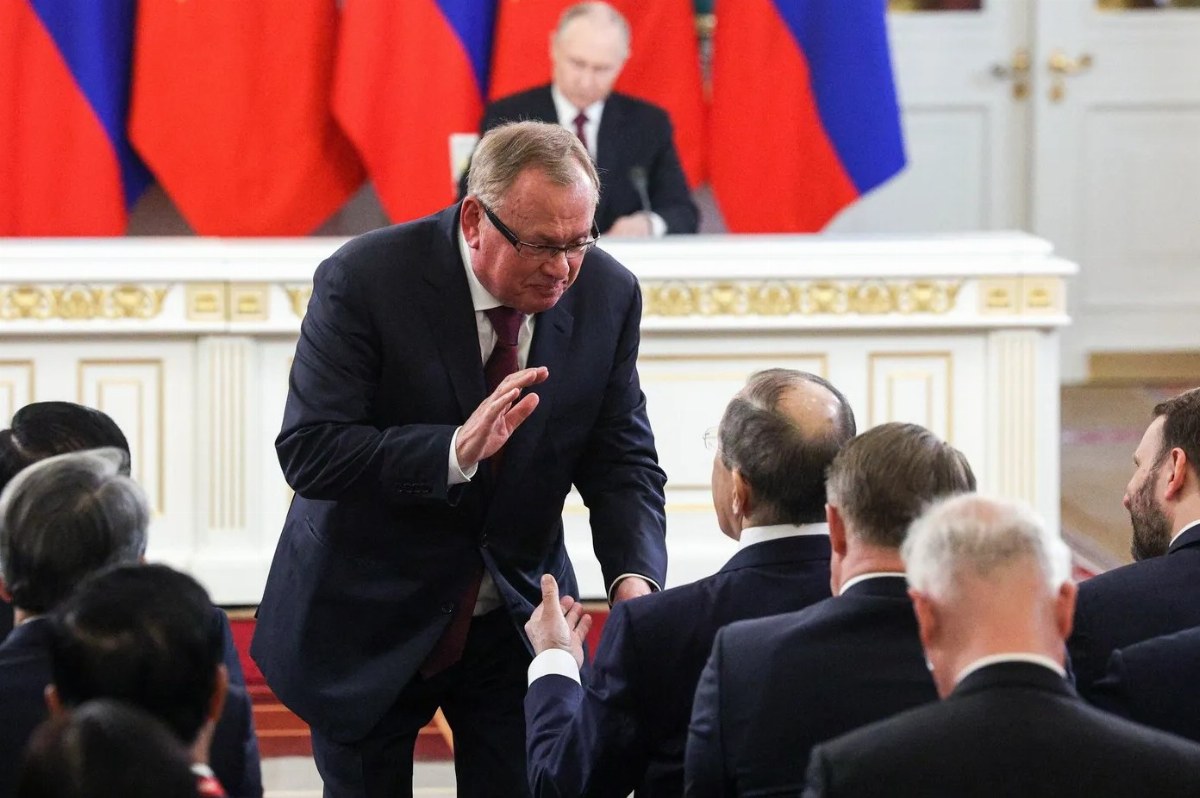
Andrei Kostin, a prominent banker in Russia, has expressed concerns that state asset seizures are deterring major companies from investing in core operations. He stated that fears of confiscation have grown significantly since 2022, when authorities seized assets valued at approximately 7.6 trillion rubles (about $89.5 billion) on grounds such as corruption and national security, according to a September estimate by the law firm Nektorov, Saveliev & Partners based in Moscow.
Speaking at a forum organized by the Association of Banks of Russia, Kostin noted that property rights have become a significant source of anxiety for businesses. “Many people invest, including key entrepreneurs, but not in their main activities. They try to set aside money, saying: ‘Well, they are going to take it anyway,'” said Kostin, who is the CEO of VTB Bank, the second-largest bank in Russia and state-controlled.
Despite believing that these fears are exaggerated, he acknowledged their existence and emphasized the need for caution in navigating the legal landscape to protect the business environment. The press office of the Moscow government did not immediately respond to a request for comment from Reuters regarding Kostin’s statements.
In 2024, President Vladimir Putin admitted that there have been numerous asset seizures but asserted that such actions were justified only if the owners’ actions harmed Russia’s security or national interests.
New Law in Russia
Earlier this year, Russia passed a law establishing a statute of limitations on most legal actions contesting privatization transactions after the country’s largest business lobby group urged Putin to address a sharp increase in state confiscations of private properties.
The Central Bank of Russia has observed a surge in Russian investments in foreign companies, reporting capital outflows exceeding $17 billion from January to July. Additionally, it recorded another $10 billion in cross-border transactions that it could not identify.
Foreign companies operating in Russia have also been affected by state seizures. Earlier in September, the Kremlin transferred control of Russian assets owned by Swiss food giant Nestlé and French retailer Auchan to a temporary administration, marking one of the most significant actions against Western firms in recent years.
At that time, the Kremlin stated that the decision was made because the companies were from “hostile” countries.
Kostin mentioned that, overall, the investment climate is worsening, although Russia has seen an uptick in Chinese investments and interest from Arab investors. He remarked, “The main factor in the future will be geopolitics. If the geopolitical situation improves, the economic situation will also improve, and investment growth will follow. If it does not improve, we will continue to overcome difficulties,” adding that the situation is under control and that the capitalization of the banking sector is currently increasing.
Elvira Nabiullina, the governor of the Central Bank of Russia, echoed Kostin’s sentiments during the same event, asserting that there cannot be any controversy regarding the assessment of the banking sector’s situation and the necessity of improving the investment climate for sustainable economic growth.