Next week, a meeting between President Donald Trump and several Gulf leaders could determine the next steps in the ongoing war, according to U.S. media reports.
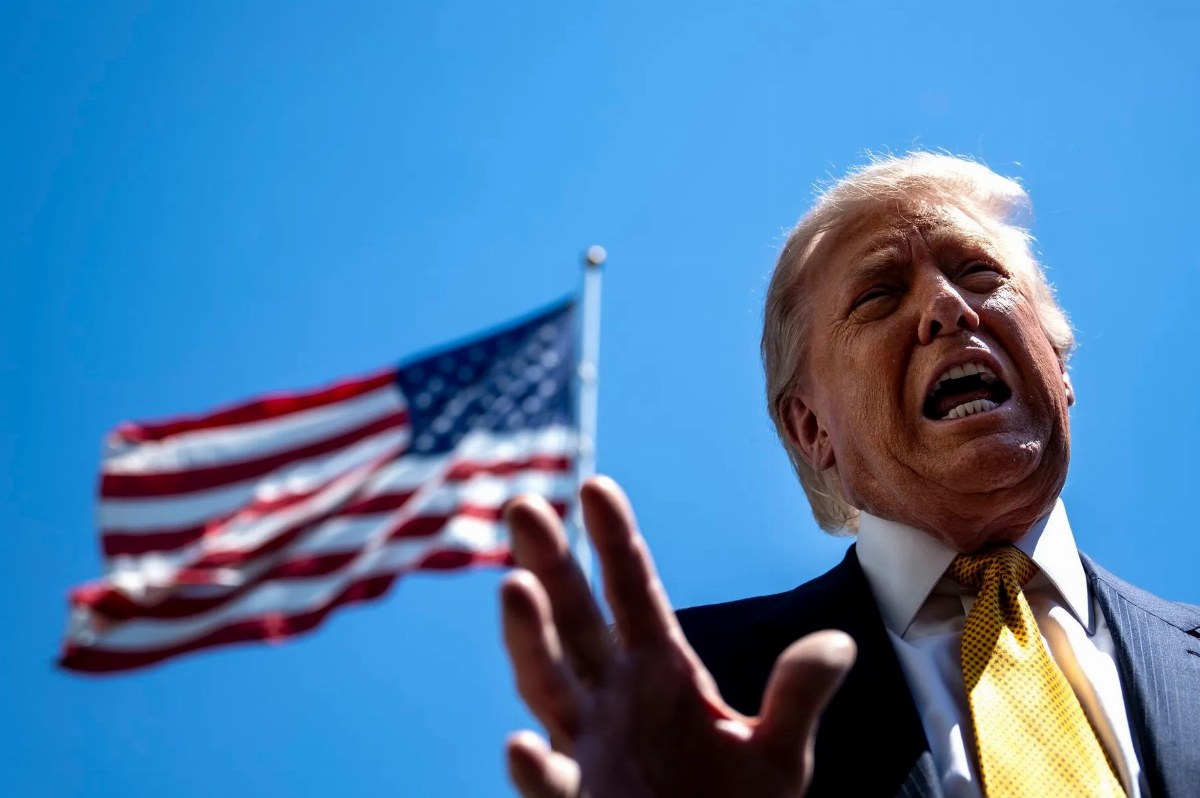
Speaking to Axios on Thursday, Trump indicated he stands at a critical juncture in the conflict with Iran, contemplating whether to resume large-scale military strikes to bring an end to hostilities. “I have a significant decision to make. Do I intervene and annihilate them or not? It’s an important decision. Anything can happen with me,” he stated.
This statement precedes a scheduled meeting on Tuesday with leaders from six Gulf nations—Saudi Arabia, the United Arab Emirates, Qatar, Bahrain, Kuwait, and Oman—on the sidelines of the UN General Assembly in New York.
The gathering could shape the war’s next phase, including whether Washington will pursue a new diplomatic initiative or ramp up military actions. Should Trump opt for renewed major military operations, he would require support from regional allies.
What’s Next?
The president has repeatedly asserted in recent days that the war will conclude soon.
However, some U.S. officials caution that the conflict has reached an unsustainable point and speculate that Trump may revert to major military operations after the November elections if no agreement is reached by then.
Trump clarified in the interview that he aims to utilize the UN meeting to directly ascertain from regional allies what the forthcoming steps in the war should be. “I want to know where they stand and how they are coping. I have protected them a lot,” he remarked.
He refrained from disclosing whether he would decide on the direction to take before or after the November elections.
Unlocking the Strait of Hormuz
Earlier this August, Trump postponed the resumption of major military operations after Saudi Arabia and Qatar expressed concerns about potential Iranian strikes on their oil and gas installations as retaliation.
Since then, Trump has adopted a “discreet” approach: suspending negotiations with Iran, launching a new sanctions campaign, maintaining a naval blockade of Iranian ports, and focusing U.S. military efforts on reopening the Strait of Hormuz to increase oil flow to global markets.
The U.S. military has significantly ramped up ship transit through the strait. Nevertheless, traffic remains below pre-war levels, and oil prices continue to stay elevated.
A Decision Must Be Made Soon
Currently, Trump and Defense Secretary Pete Hegseth have directed the military to maintain its force levels in the Middle East until the end of the year, according to officials, to stay prepared for a potential return to large-scale fighting.
Officials note that Trump needs to soon decide on a course of action, partly because U.S. military forces cannot remain in a prolonged state of readiness indefinitely.
Trump indicated to Axios that he is pleased with how the naval blockade has hindered Iran from exporting oil. “No ship has reached Iran since we started. They tried, and we blew them up,” he said.
A Post-Conflict Strategy
The president added that Iran remains in direct contact with the U.S. and asserted that the Iranians still seek an agreement.
The White House is also crafting a post-war strategy that includes a regional effort to keep Iran in check while simultaneously promoting normalization of relations between Israel and its neighbors.
Though the plan is still in its early stages, it aims to guide the U.S. approach in the Middle East following the war with Iran and during the last two years of Trump’s presidency.
Two significant events may influence planning in this timeframe: Israel’s elections on October 27 and the U.S. elections in November.