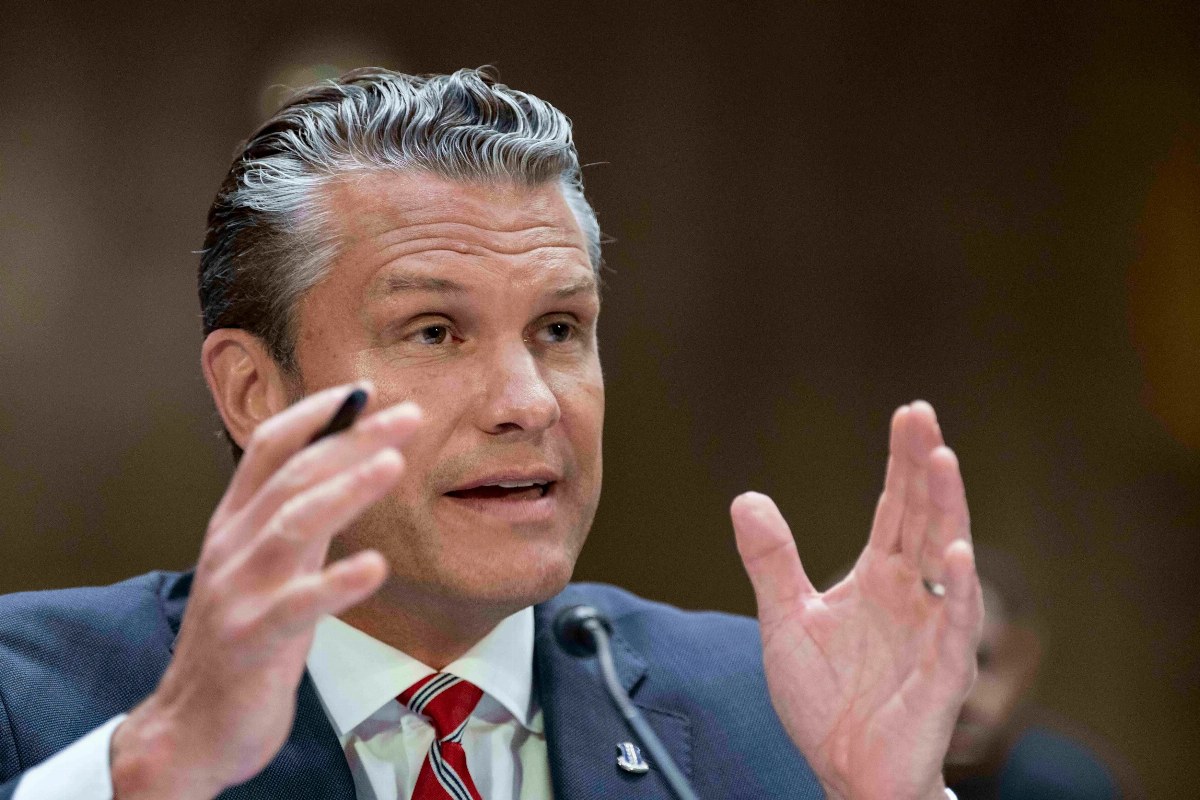
During a congressional hearing on Tuesday, U.S. Secretary of Defense Pete Hegseth announced that the ongoing war in Iran has incurred costs of $37.5 billion. This statement comes as he seeks emergency funding to support military operations and related expenses, according to reports.
As the country approaches the midterm elections, where President Donald Trump’s Republican Party faces challenges in maintaining a majority in both the House of Representatives and the Senate, Democrats are gaining in opinion polls. They are attempting to connect the unpopularity of the war in Iran with the living standards of Americans.
Hegseth informed lawmakers that the $37.5 billion figure encompasses various aspects of the conflict, including projected expenses through September 30.
The Initial Days of Conflict Cost $11 Billion
The calculation of these costs by the Pentagon remains unclear. A Reuters source indicated in March that the Trump administration estimated the first six days of war would cost at least $11.3 billion.
Last month, Trump requested nearly $90 billion in additional funding from Congress, primarily related to the conflict with Iran, setting the stage for a new confrontation with legislators frustrated by the war and facing the upcoming midterm elections in November.
Both Republican and Democratic lawmakers have expressed dissatisfaction since the U.S. and Israel began bombing Iran on February 28, citing a lack of communication from Trump and his team regarding the conflict and its plans.
Trump May Need Democratic Support
Senator Patty Murray, the Democratic leader of the Appropriations Committee, remarked during the hearing that “the president is threatening escalation of the conflict and war crimes, suggesting this could be another endless war.”
Trump has repeatedly issued strong warnings to Iran, including against civilian infrastructure, which critics say could constitute a war crime.
Trump’s Republicans hold a precarious majority in both the House and the Senate, making bipartisan support from Democrats often essential for passing funding bills.
Democratic Senator Kirsten Gillibrand commented, “The reason people are so upset with you and this administration is that your past statements do not align.” She questioned the consistency of Trump’s war-related predictions, saying, “Either it’s over or it’s not. Either it will happen in two weeks or not in two weeks; either there will be missiles or there won’t be missiles.”
The Pentagon Seeks $1.5 Trillion Next Year
Hegseth also warned lawmakers that without an urgent funding increase, cuts to military training budgets would be necessary.
The war is exerting pressure on the Pentagon’s nearly $1 trillion budget and threatens funding for military personnel issues.
General Dan Caine, the Chairman of the Joint Chiefs of Staff, acknowledged this potential cost during the hearing, stating that while they would find a way to pay military personnel, the Pentagon might struggle with maintenance costs and future capabilities investments.
Hegseth urged lawmakers to fund not only the supplemental request but also a budget request of $1.5 trillion for 2027, asserting that “the danger of not allocating this department $1.5 trillion represents, in my opinion, the greatest threat facing our nation.”