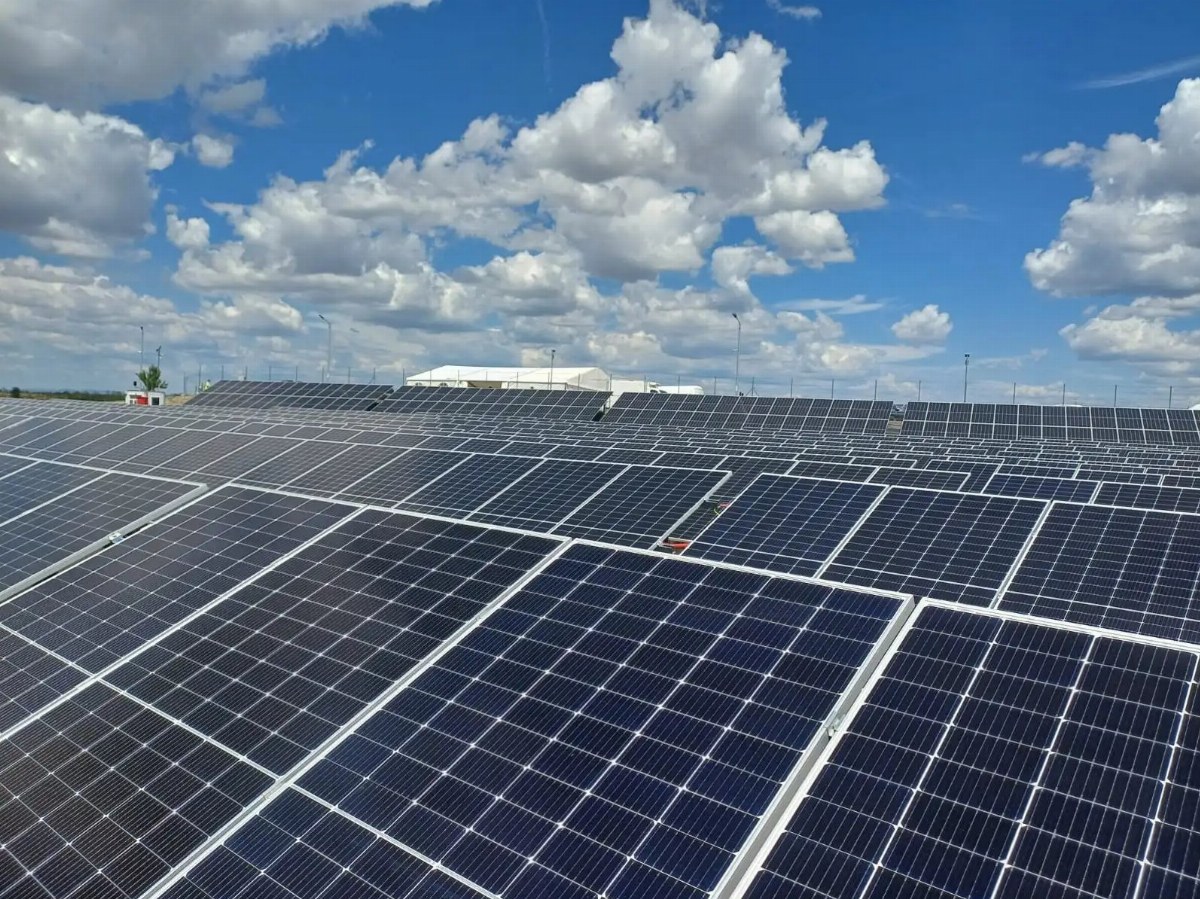
Germany is preparing to cut subsidies for renewable energy through a comprehensive overhaul of its financing system, as significant increases in solar energy production are putting mounting pressure on the electrical grid, according to reports.
In a draft law released on Friday by the Berlin Ministry of Economy, starting in 2027, new producers of renewable energy will be required to receive support “in a manner beneficial to both the market and the system.” This entails rewarding projects that are more responsive to electricity demand and do not exacerbate grid congestion.
No Guaranteed Customers for Renewable Energy
Additionally, the proposal suggests that feed-in tariffs, which ensure that all energy produced by a renewable energy source is purchased by a third party at a price set by regulators, will be gradually phased out for new installations. These modifications could slow investments in wind and solar projects, as developers are already facing higher costs and declining revenues, especially as energy prices become increasingly negative.
Nevertheless, the German Ministry of Economy remains committed to increasing the share of renewable energy in Germany’s gross electricity consumption to 80% by 2030, up from approximately 58%, and plans to conduct further auctions for new wind capacity.
Typically, feed-in tariffs in Germany are granted for a period of 20 years, and recent efforts to reduce bureaucratic procedures have led to a record increase in renewable energy production capacity.
Grid Cannot Keep Up with Energy Market Developments
However, electricity transmission lines have failed to keep pace, creating bottlenecks and forcing operators to reduce production during certain hours. Producers can claim compensation for production losses.
Under the reform, grid operators will be allowed to reduce payments for new renewable projects in areas where the grid is frequently congested. This provision is a milder version of a previous proposal that faced criticism from renewable project developers.
To comply with European Union requirements, the renewable energy legislative project would limit subsidies and introduce a recovery mechanism enabling the state to reclaim excessive profits. This approach would bring Germany’s system closer to the Contracts for Difference model used in other countries, where the state supplements producers’ revenues during low market prices but recovers funds when prices exceed a predetermined level.
Moreover, the proposal aims to eliminate subsidies for solar installations smaller than 25 kilowatts and will require larger projects to be more frequently accompanied by battery storage, which would aid in shifting energy supply to the evening hours.