Iran has reported fresh strikes against U.S. positions in the Gulf on Friday, marking the sixth consecutive night of U.S. military attacks on Iranian military installations. This escalation follows the breakdown of a ceasefire established last month, which has devolved into a series of retaliatory strikes, according to reports.
Iranian media indicated that five bridges were targeted in the latest round of U.S. attacks, along with the railway station in Bandar Khamir and Iranshahr Airport in southeastern Iran.
Seven individuals were killed in the U.S. attacks on the bridges located in Bandar Khamir, a port city near the Strait of Hormuz, as reported by the Iranian news agency IRNA.
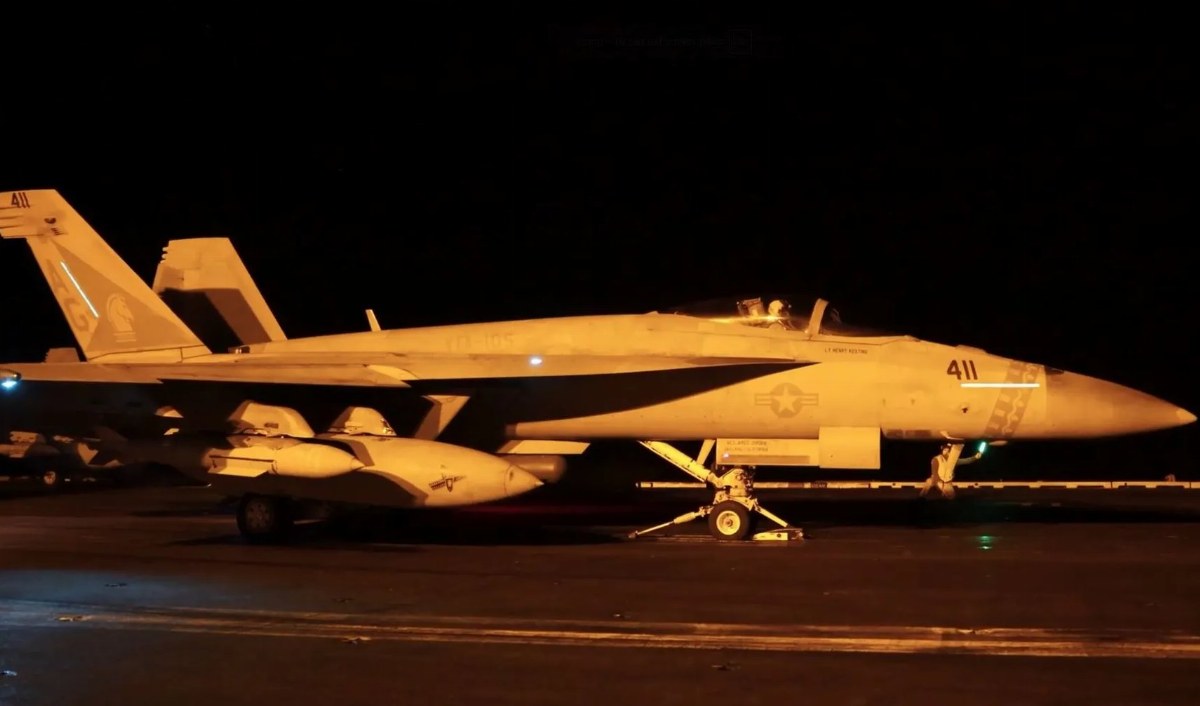
The U.S. military confirmed the completion of another night of strikes against Iran, aiming to further diminish Iran’s military capabilities, which included operations near Qeshm Island and around Bandar Abbas, home to Iran’s largest port and key naval installations.
According to a statement from U.S. Central Command, “American forces, including fighter jets, drones, and warships, launched precision munitions that struck dozens of Iranian military targets, including coastal surveillance posts, air defense systems, military logistics infrastructure, and maritime capabilities.”
In retaliation, Iran has also fired missiles and drones at U.S. military bases in neighboring countries, including an airbase in Jordan. Early Friday, the Iranian military stated it had targeted American installations in Bahrain and Kuwait. Witnesses in Doha, Qatar reported multiple explosions, with the Interior Ministry confirming that a child was injured by shrapnel.
Strait of Hormuz Blockage Raises Global Energy Prices
The escalating conflict has once again largely blocked traffic through the Strait of Hormuz, the world’s most vital maritime route for oil and gas transport, leading to increased global energy prices.
Tehran resumed its blockade of the strait, while Washington has re-imposed restrictions on Iranian ports starting Wednesday.
Iran has hinted at urging its Houthi allies in Yemen to close another critical strait, Bab al-Mandeb, at the Red Sea’s entrance, should Washington target Iranian infrastructure, sources told Reuters.
Last week, Iran attacked vessels navigating a corridor within the strait. Karoline Leavitt, White House spokesperson, stated on Thursday that U.S. President Donald Trump would not “sit idly by while these acts of terrorism occur in the strait without ensuring Iran faces consequences.” However, she also noted that “the president is always open to diplomacy.”
Iranian sources indicated to Reuters that Iran’s goal is to assert its authority over the strait, although Tehran does not seek escalations that would jeopardize the memorandum of understanding from June, which it still considers to provide most of what it desires.