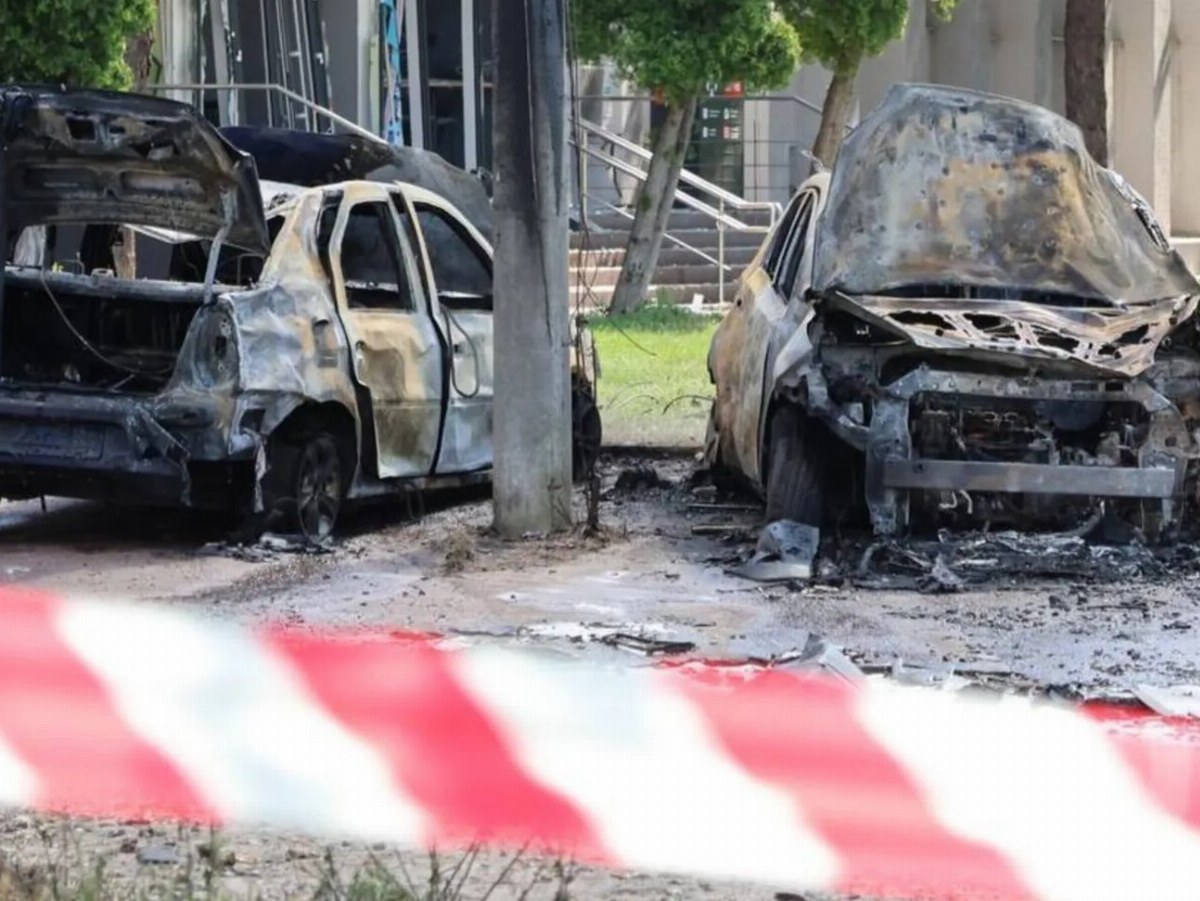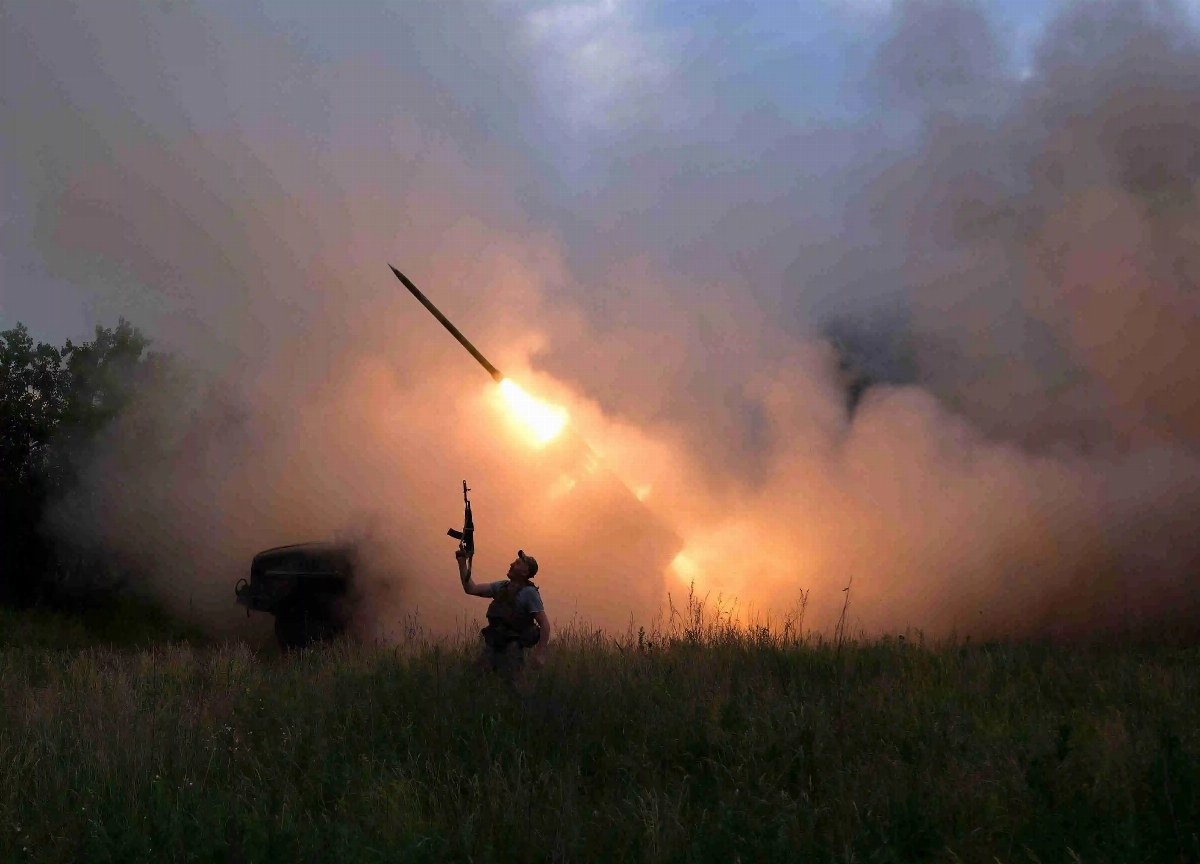
Kostiantinivka is currently witnessing fierce clashes as Ukrainian defenders confront advancing Russian troops, with the city becoming a primary target for Moscow, according to reports from BBC, Liga.net, and the Ukrainian think-tank DeepState.
Russian forces have infiltrated Kostiantinivka in eastern Ukraine, leading to intense fighting across various parts of the city in recent days. Ukrainian soldiers have described the entire area as a “gray zone,” where control is not firmly established by either side.
As of the morning of June 18, reports indicated approximately 123 Russian soldiers were present in Kostiantinivka, with a possible variance of 20 to 30.
The city serves as a potential gateway to the remaining parts of Donbas still under Ukrainian control. Its loss could signal the beginning of a battle for the critical Ukrainian strongholds of Kramatorsk and Sloviansk.
Tactics Used in Pokrovsk and Bakhmut
With drones monitoring nearly all movements at the front lines and quickly attacking any detected targets in the so-called “kill zone,” the Russian military increasingly employs small groups of soldiers for infiltration.
These tactics mirror those used previously near the cities of Pokrovsk, Bakhmut, Avdiivka, and other locations in Donbas. The objective is to flank Kostiantinivka, surround it, and cut off supply routes. Without supplies, Ukrainian units could be forced to retreat with heavy losses.
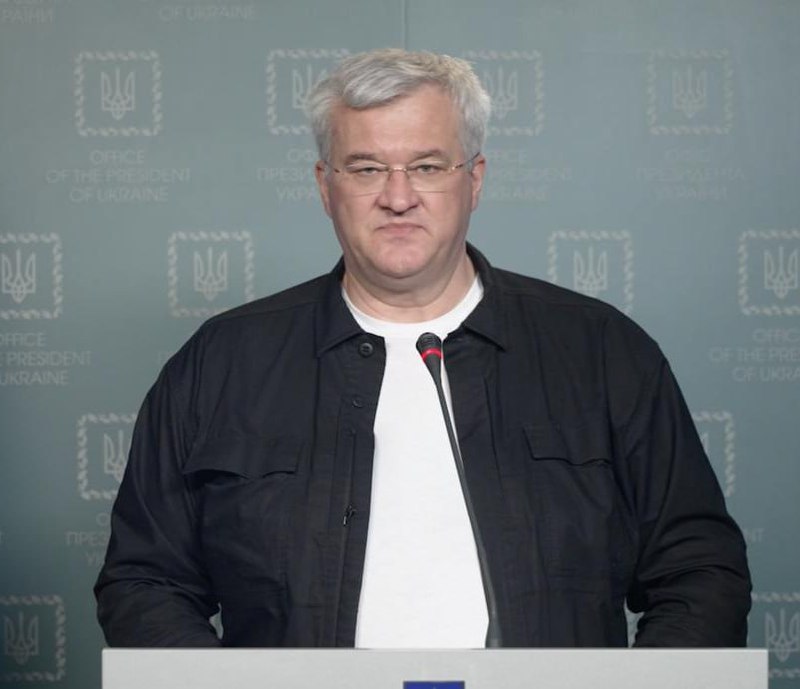
Serghei Khominski, a press officer with the 100th Motorized Infantry Brigade, noted to Liga.net that the situation in Kostiantinivka is extremely tense, as the enemy recognizes the city as the southern boundary of the Kramatorsk-Sloviansk cluster, now a key target for the Kremlin.
Ukrainian soldiers on the ground stated that while the situation in the city is serious, it is not as catastrophic as depicted by Russian sources, though it is indeed more complex than the Ukrainian command’s official statements suggest.
Reports indicate that Russian infantry advancing from the south and east have already been spotted on the northern outskirts of the city, near the road to Drujkivka. However, Ukrainian forces emphasized that the mere presence of Russian soldiers in various parts of the city does not equate to its capture.
Ukrainian Drone Crews Under Attack
The intensity of attacks has surged sharply since late spring, although the pace of advancement remains very slow. According to BBC sources, Ukrainian assault groups, infantry, and drone crews continue to operate within Kostiantinivka, but their positions are increasingly targeted and discovered.
Russian drone operators have focused their efforts primarily on Ukrainian drone crews, who themselves aim to deter Russian infantry and attacking aircraft. With high-frequency flights, Ukrainian operators often need to launch drones every half hour, positioning supplies, antennas, command posts, and drone launch sites close to each other.
When one of these targets is identified, Russian forces frequently strike nearby buildings using guided aerial bombs and FPV drones, providing Russian infantry with greater opportunities to maneuver undetected.
As a drone operator noted, “We pay very little attention to enemy pilots. They constantly advance, discover our positions, and we are forced to retreat. We cannot maintain the front.”
Ukraine’s Successes Have No Immediate Impact in Kostiantinivka
Throughout this time, Ukraine has continued to target Russian logistics. Thanks to medium-range strikes, Kyiv has recently significantly complicated fuel supplies to the occupied Crimea. Attacks on oil refineries and other facilities located thousands of kilometers from the front line pose serious challenges for Russian authorities and worsen the overall informational context.
In such conditions, success on the front lines and the capture of a crucial city like Kostiantinivka could provide the Kremlin an opportunity to shift attention to military achievements.
However, Ukrainian soldiers defending Kostiantinivka assert that attacks on Russian logistics—especially on routes leading from Mariupol to Crimea—have yet to produce a visible impact on the situation at their front lines.
DeepState Analysis
Analysts from the Ukrainian project DeepState, cited by local media, believe the fall of Kostiantinivka is merely a matter of time. They report that Russian forces hold a numerical advantage near the city and are gradually adopting a long-term strategy to capture Kostiantinivka, partly mirroring the approach previously observed around Pokrovsk.
Meanwhile, they are systematically destroying the city, reducing it to ruins that will eventually become impossible to defend. DeepState noted that the situation around Kostiantinivka appears to be unfolding in line with the most pessimistic scenario, as the enemy has reached the city’s outskirts from all directions and is exerting intense pressure while infiltrating deeper.
While Russian forces continue to suffer heavy losses, DeepState pointed out that these casualties do not appear to be factored into their operations. They likened the situation to that in Pokrovsk, where Russian forces sustained significant losses but ultimately managed to capture the city.
DeepState described Kostiantinivka as a gateway to the Sloviansk-Kramatorsk cluster, asserting that if the city falls—a situation they describe as “a matter of time”—Drujkivka, currently a vital logistical hub, would likely become the next target, followed by Kramatorsk.
They added that once Kramatorsk comes under Russian control, the logistics for Ukrainian defense forces in the area would dramatically shift, creating significant difficulties for troop movements and making even the presence of Ukrainian forces in Kramatorsk extremely dangerous due to the increased operational range of Russian drone operators.
What’s Next
Both internal and external analyses suggest that Russia will require considerable time to seize the last areas of Donbas held by Kyiv, territories it requested in failed peace negotiations earlier this year.
A NATO official stated in February that the alliance does not expect the Ukrainian front in the Donetsk region to collapse for at least a year and a half; even this timeframe does not guarantee that Russian forces will fully conquer the region.
In an analysis for Liga.net, DeepState noted that this timeframe might be even longer, estimating based on current analysis that it could take approximately two years for Russian forces to capture the Kramatorsk-Sloviansk cluster and the rest of the Donetsk region, with enormous losses along the way.