
Hungary has declined to endorse a letter from all 27 EU member states to the European Council and European Commission that aimed to present a united position on advancing the membership negotiations for Ukraine and Moldova. According to media reports, this decision puts the planned opening of further negotiation clusters for these countries at risk, with a review expected next week.
After the European Union agreed to initiate discussions on the first negotiation cluster for their EU integration, both Kyiv and Chișinău expressed intentions to open all six clusters by mid-July. However, Hungary’s opposition now jeopardizes these plans, as unanimous support is required for the initiative.
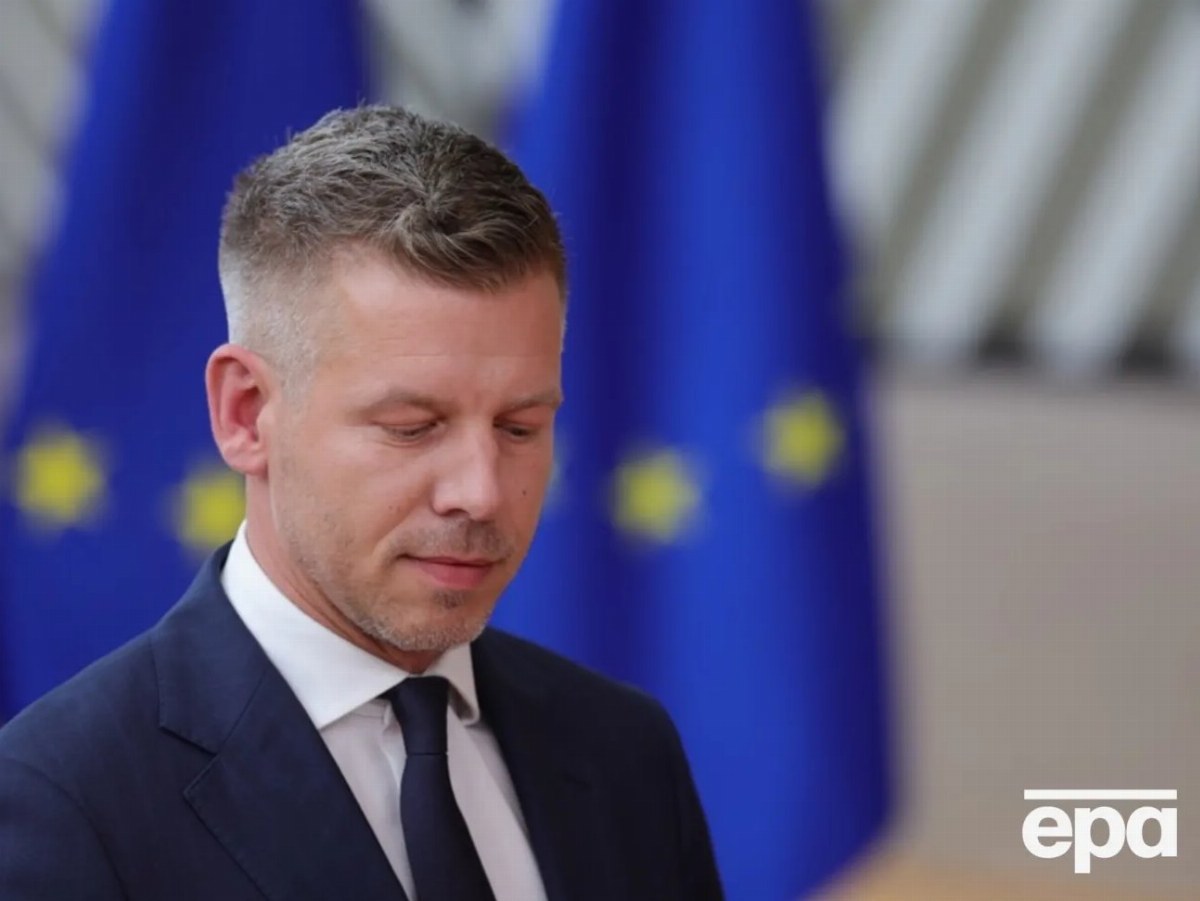
Hungarian Prime Minister Péter Márki-Zay has not opposed the start of discussions regarding the enlargement of the bloc. Yet, during his first participation in an EU summit, he made it clear that Budapest maintains concerns about the pace of Ukraine’s EU integration talks. He insisted on amendments to the EU declaration’s text, leading to the removal of a clause regarding the acceleration of Ukraine’s accession from the joint statement following the meeting. He explained that opening all clusters at once could send a misleading signal to Western Balkan countries, which have been negotiating for years to join the bloc.
Context
- Ukraine applied for EU membership shortly after the onset of Russia’s full-scale invasion in 2022, with Moldova also gaining candidate status.
- On January 16, 2026, the Financial Times reported that the European Commission was preparing proposals to revise the EU membership system to potentially expedite Ukraine’s accession. President Volodymyr Zelensky asserted that Ukraine is technically ready to open all six clusters for EU membership, stating that Kyiv is not interested in a “symbolic” accession.
- On June 12, the EU officially agreed to open the first negotiation cluster for Ukraine’s EU membership, marking the start of the first phase of full membership negotiations, known as the fundamental cluster, which relates to the rule of law, democracy, and basic EU institutions.


